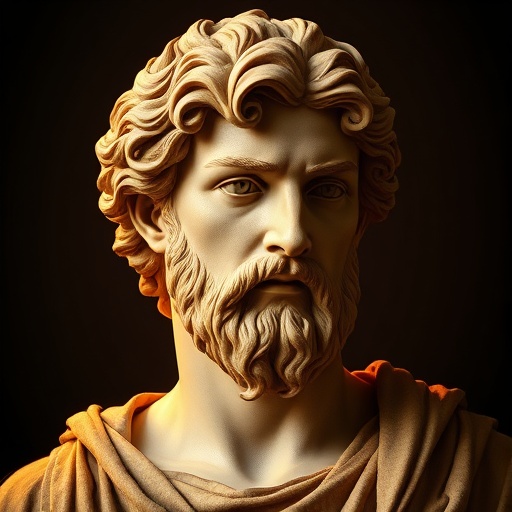
Virgil — "Come what may, all bad fortune is to be conquered by endurance."
Come what may, all bad fortune is to be conquered by endurance.
Come what may, all bad fortune is to be conquered by endurance.
Click any product to generate a realistic preview. Up to 3 at a time.
* Initial load can take up to 90 seconds — revising the preview in another color is nearly instant.
"Optima dies... prima fugit."
"The gods are just, and of our pleasant vices make instruments to scourge us."
"Excudent alii spirantia mollius aera (credo equidem), vivos ducent de marmore vultus, orabunt causas melius, caelique meatus describent radio et surgentia sidera dicent: tu regere imperio populos, Rom…"
"Deus nobis haec otia fecit."
"They are able because they seem to be able."
Roman poet of the Augustan age whose Aeneid is the founding national epic of Rome and Western literature's most-imitated hexameter poem. Closely associated with Ovid (younger Augustan poet of Metamorphoses) and Horace (third Augustan-era major poet). For an intellectual contrast, see Lucan, Roman poet (39-65 CE) of the Pharsalia — Lucan's Pharsalia explicitly rejected Virgilian Augustan epic by writing a civil-war epic that refused divine machinery and treated Roman empire as tragedy rather than destiny. Lucan's Pharsalia is a 60-years-later rebuke of the Aeneid's imperial theology — civil war as crime instead of providence.
Your cart is empty