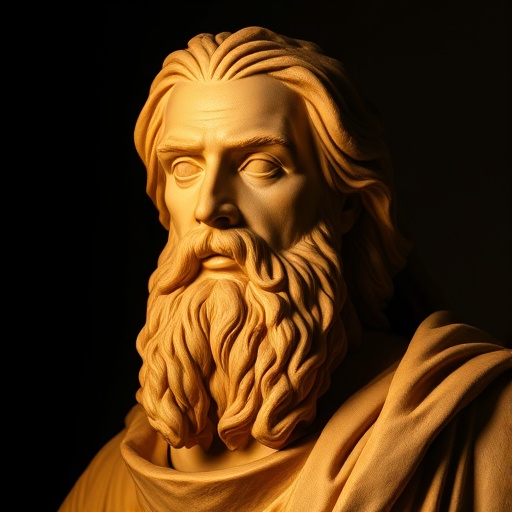
Moses — "Hear, O Israel: The Lord our God, the Lord is one."
Hear, O Israel: The Lord our God, the Lord is one.
Hear, O Israel: The Lord our God, the Lord is one.
Click any product to generate a realistic preview. Up to 3 at a time.
* Initial load can take up to 90 seconds — revising the preview in another color is nearly instant.
"O Lord, I have not spoken to the people since I was a baby."
"You shall not let any of your children pass through the fire to Molech."
"You shall not pervert justice due to your poor in his lawsuit."
"You shall not round off the hair on your temples or mar the edges of your beard."
"For the Lord your God is a consuming fire, a jealous God."
Deuteronomy 6:4, the Shema, a central prayer in Judaism.
Date: c. 13th-15th century BCE (traditional dating)
BiblicalFound in 2 providers: grok,gemini
2 sources checked
This declaration insists that there is only one true God, and that this God belongs to the covenanted community addressing itself. It calls the hearer to pay attention, to accept divine unity, and to reject any rival deities or fragmented loyalties. It is both a confession of belief and a summons to undivided devotion, framing everything that follows about love, obedience, and identity around a single supreme authority.
Moses led a people just pulled out of polytheistic Egypt and bound for a land saturated with local gods. His mission was to forge them into a nation defined by covenant with one deity who had freed them. As lawgiver, he delivered commandments that begin with exclusive worship. This verse, placed at the heart of his farewell teaching in Deuteronomy, distills his life's work: converting a tribal federation into a monotheistic people under one moral law.
In the Late Bronze Age Near East, every nation, city, and household had its own gods, with pantheons layered by function and territory. Egypt worshiped dozens of deities; Canaan venerated Baal, Asherah, and Molech. Kings claimed divine backing from multiple powers simultaneously. Declaring one exclusive God was radical and socially disruptive, rejecting the assumed pluralism of the age. It redefined religion from transactional appeasement of many forces to loyal relationship with a single sovereign who demanded moral conduct.
AI-generated insights based on extensive research and information for context. Factual errors? Email [email protected].
Your cart is empty