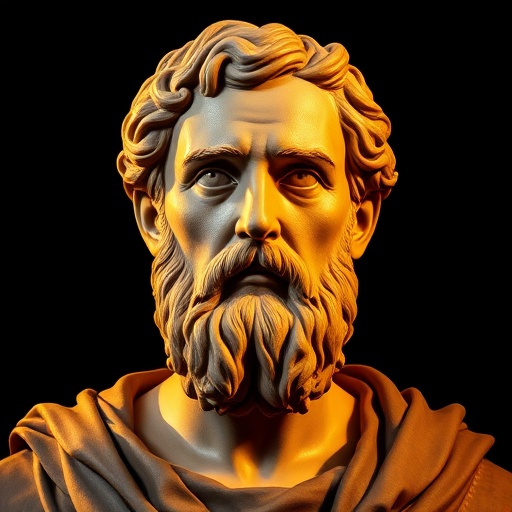
Saint Paul — "If I must needs glory, I will glory of the things which concern mine infirmities…"
If I must needs glory, I will glory of the things which concern mine infirmities.
If I must needs glory, I will glory of the things which concern mine infirmities.
Click any product to generate a realistic preview. Up to 3 at a time.
* Initial load can take up to 90 seconds — revising the preview in another color is nearly instant.
"If I speak in the tongues of men and of angels, but have not love, I am a noisy gong or a clanging cymbal."
"I say then, walk in the Spirit, and you shall not fulfill the lust of the flesh."
"But I say to the unmarried and to widows, it is good for them if they remain even as I am."
"For we wrestle not against flesh and blood, but against principalities, against powers, against the rulers of the darkness of this world, against spiritual wickedness in high places."
"And lest I should be exalted above measure through the abundance of the revelations, there was given to me a thorn in the flesh, the messenger of Satan to buffet me, lest I should be exalted above mea…"
Found in 1 providers: gemini
1 source checked
If forced to brag about myself, I'll brag about my weaknesses, not my strengths. Most people boast about achievements, talents, or credentials to impress others. Paul flips that logic: the things worth highlighting are the struggles, failures, and limitations, because those reveal genuine character and create space for something greater than ego to work through a person. Vulnerability, not self-promotion, is the real measure of a life.
Paul wrote this defending his ministry against rival teachers in Corinth who flaunted credentials and charisma. A former Pharisee with elite rabbinical training under Gamaliel, he could have matched any resume. Instead he listed beatings, shipwrecks, imprisonments, and a mysterious 'thorn in the flesh.' His whole conversion narrative hinged on being struck blind on the Damascus road, so weakness was literally where his authority started.
First-century Greco-Roman culture ran on honor and shame. Public boasting, patronage networks, and rhetorical showmanship were how teachers, philosophers, and civic leaders built followings. Sophists toured cities performing credentials. Corinth especially prized status and eloquence. For a traveling teacher to deliberately glory in humiliation inverted every social convention, which is exactly why Paul's letters landed so disruptively and why early Christianity spread through slaves, women, and the urban poor first.
AI-generated insights based on extensive research and information for context. Factual errors? Email [email protected].
Your cart is empty