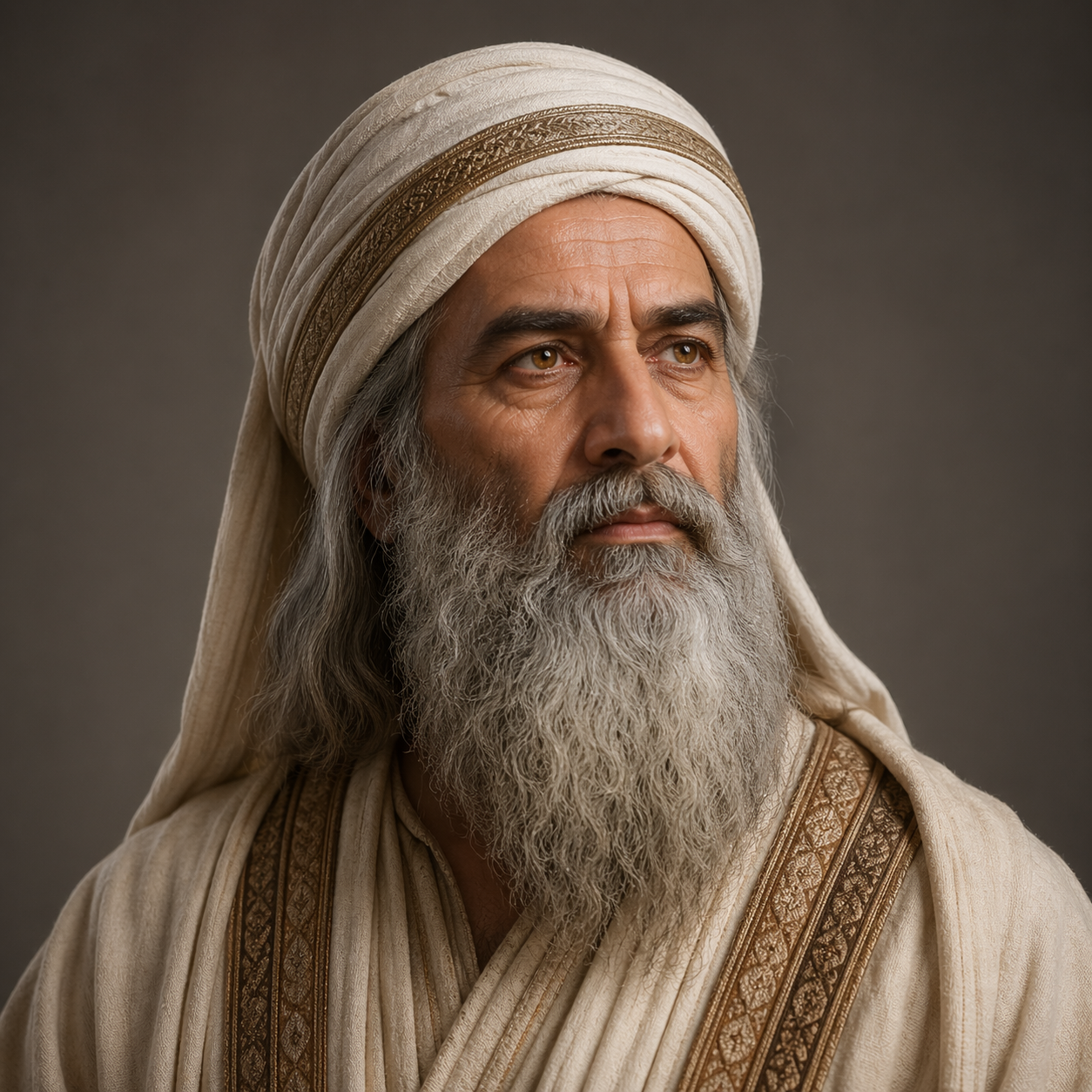
Zoroaster — "One good deed is worth a thousand prayers."
One good deed is worth a thousand prayers.
One good deed is worth a thousand prayers.
Click any product to generate a realistic preview. Up to 3 at a time.
* Initial load can take up to 90 seconds — revising the preview in another color is nearly instant.
"Indeed, I shall speak forth concerning this world’s two spirits, of which the one is good, the other evil, as to thought, as to word, as to deed. Between these two, the discerning have chosen aright, …"
"The evil shall be cast into darkness, but the righteous shall walk in light."
"A righteous government is of all the most to be wished for, Bearing of blessing and good fortune in the highest. Guided by the law of Truth, supported by dedication and zeal, It blossoms into the Best…"
"I know, O Wise One, that I am powerless; I have few cattle and few men."
"The reward for righteousness is not merely in the afterlife, but in the present moment through inner peace and joy."
Iranian prophet who founded Zoroastrianism, the first major religion of cosmic dualism between good (Ahura Mazda) and evil (Angra Mainyu). Closely associated with The Buddha (near-contemporary Eastern moral-cosmological revolutionary). For an intellectual contrast, see Friedrich Nietzsche, German philosopher of 'beyond good and evil' — Nietzsche appropriated Zarathustra's name for Thus Spoke Zarathustra (1883) precisely to invert the original's moral cosmology — the historical Zoroaster founded the good-versus-evil framework Nietzsche's character announces the end of.
Found in 1 providers: gemini
1 source checked
Actions that help others matter far more than words spoken in worship. You can recite countless prayers, but a single concrete act of kindness, generosity, or justice carries more weight in shaping the world and your own moral worth. Devotion proven through behavior beats devotion performed through ritual. The measure of a person is what they actually do for others, not how loudly or often they petition the divine.
Zoroaster preached that humans choose between Asha (truth, right order) and Druj (the lie) through their daily conduct, summarized in his famous triad: good thoughts, good words, good deeds. As a reforming priest who broke from older Iranian ritualism, he downgraded animal sacrifice and mechanical rites in favor of ethical responsibility, making each person an active participant in cosmic struggle rather than a passive supplicant.
In the late second or early first millennium BCE on the Iranian plateau, religion centered on elaborate sacrificial rituals performed by a priestly caste for tribal patrons. Zoroaster's message arose amid pastoral societies torn by cattle raiding and warlord violence, where buying divine favor through offerings was the norm. Elevating personal moral action over ceremony was radical, planting ideas about individual accountability, heaven, and judgment that later shaped Judaism, Christianity, and Islam.
AI-generated insights based on extensive research and information for context. Factual errors? Email [email protected].
Your cart is empty