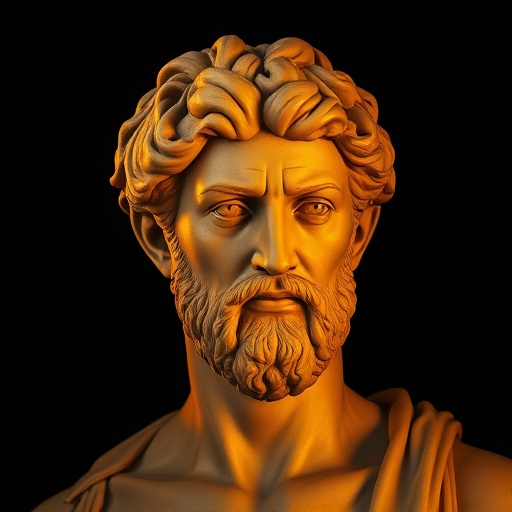
Ovid — "Quamdiu stabit Capitolium, stabit Roma; quando cadet Capitolium, cadet Roma; qua…"
Quamdiu stabit Capitolium, stabit Roma; quando cadet Capitolium, cadet Roma; quando cadet Roma, cadet et mundus.
Quamdiu stabit Capitolium, stabit Roma; quando cadet Capitolium, cadet Roma; quando cadet Roma, cadet et mundus.
Click any product to generate a realistic preview. Up to 3 at a time.
* Initial load can take up to 90 seconds — revising the preview in another color is nearly instant.
"Casta est quam nemo rogavit."
"I see and approve the better course, but I follow the worse."
"The bold lover is often successful where the timid one fails."
"Believe me, nothing perishes in all the world; it does but vary and renew its form. What we call birth is but a beginning to be other than what one was before; and death is but a cessation of a former…"
"Non est ad astra mollis e terris via."
Roman poet whose Metamorphoses (8 CE) is the longest surviving Latin poem and Western literature's main pagan-mythology source. Closely associated with Virgil (the Aeneid poet and other Augustan poetic giant) and Horace (third Augustan-era major poet). For an intellectual contrast, see Augustus, Roman emperor (27 BCE – 14 CE) — Augustus exiled Ovid to Tomis on the Black Sea in 8 CE, reasons tied to his erotic poetry (Ars Amatoria) and possible knowledge of imperial-family scandal — Augustus represented Roman moral-restoration politics that Ovid's witty erotic verse was structurally against.
Often attributed to Ovid, but not found in his extant works. Likely a later paraphrase of a sentiment.
GeneralFound in 1 providers: grok
1 source checked
Your cart is empty