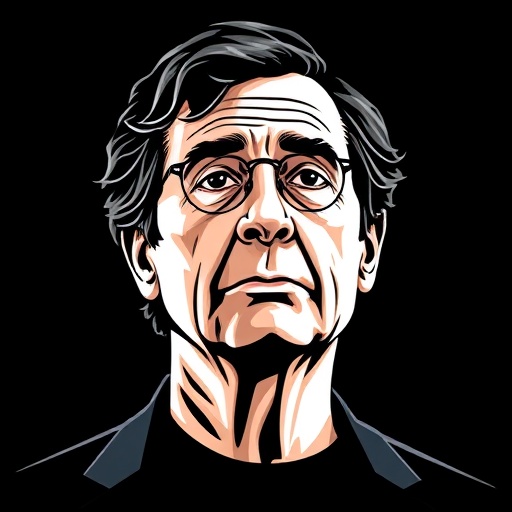
Carl Sagan — "...that it is better to understand the universe as it is than to pretend that it…"
...that it is better to understand the universe as it is than to pretend that it is something it is not.
...that it is better to understand the universe as it is than to pretend that it is something it is not.
Click any product to generate a realistic preview. Up to 3 at a time.
* Initial load can take up to 90 seconds — revising the preview in another color is nearly instant.
"A book is made of paper, ink, and a little imagination."
"The illegality of cannabis is outrageous, an impediment to full utilization of a drug which helps produce the serenity and insight, sensitivity and fellowship so desperately needed in this increasingl…"
"Understanding is a kind of ecstasy."
"Science is a way of thinking much more than it is a body of knowledge."
"The truth may be puzzling. It may take some effort to grasp. It may be counterintuitive. It may contradict deeply held prejudices. It may not be easy to do what the truth demands. But none of that mak…"
Found in 1 providers: grok
1 source checked
Intellectual honesty beats comforting illusions. Even when reality is harsh or humbling, facing it accurately serves us better than clinging to myths or wishful thinking. If the universe is vast, ancient, and indifferent to human concerns, pretending otherwise doesn't change it—it only impairs our ability to navigate it. Truth, however unsettling, produces better decisions and better science than false beliefs maintained purely for emotional comfort.
Sagan spent his career fighting pseudoscience, astrology, and UFO mythology while conveying genuine cosmic wonder. His 1995 book The Demon-Haunted World directly defended scientific thinking against superstition. As an astronomer who analyzed Venus's atmosphere and championed SETI, he confronted a vast, ancient, indifferent cosmos daily—and found that reality more awe-inspiring than human-centric myth. His Cosmos television series brought this commitment to honest inquiry to an audience of 500 million.
Sagan's most influential work spanned the 1970s through mid-1990s—a period of simultaneous scientific triumph and cultural retreat. The space program revealed planetary realities while cosmology pushed the universe's age to 13.8 billion years. Yet televangelism surged, New Age pseudoscience boomed, creationism challenged school curricula, and alien abduction narratives proliferated. Science and comforting mythology were in direct public conflict, making Sagan's insistence on reality over pretense both urgent and politically charged.
AI-generated insights based on extensive research and information for context. Factual errors? Email [email protected].
Your cart is empty