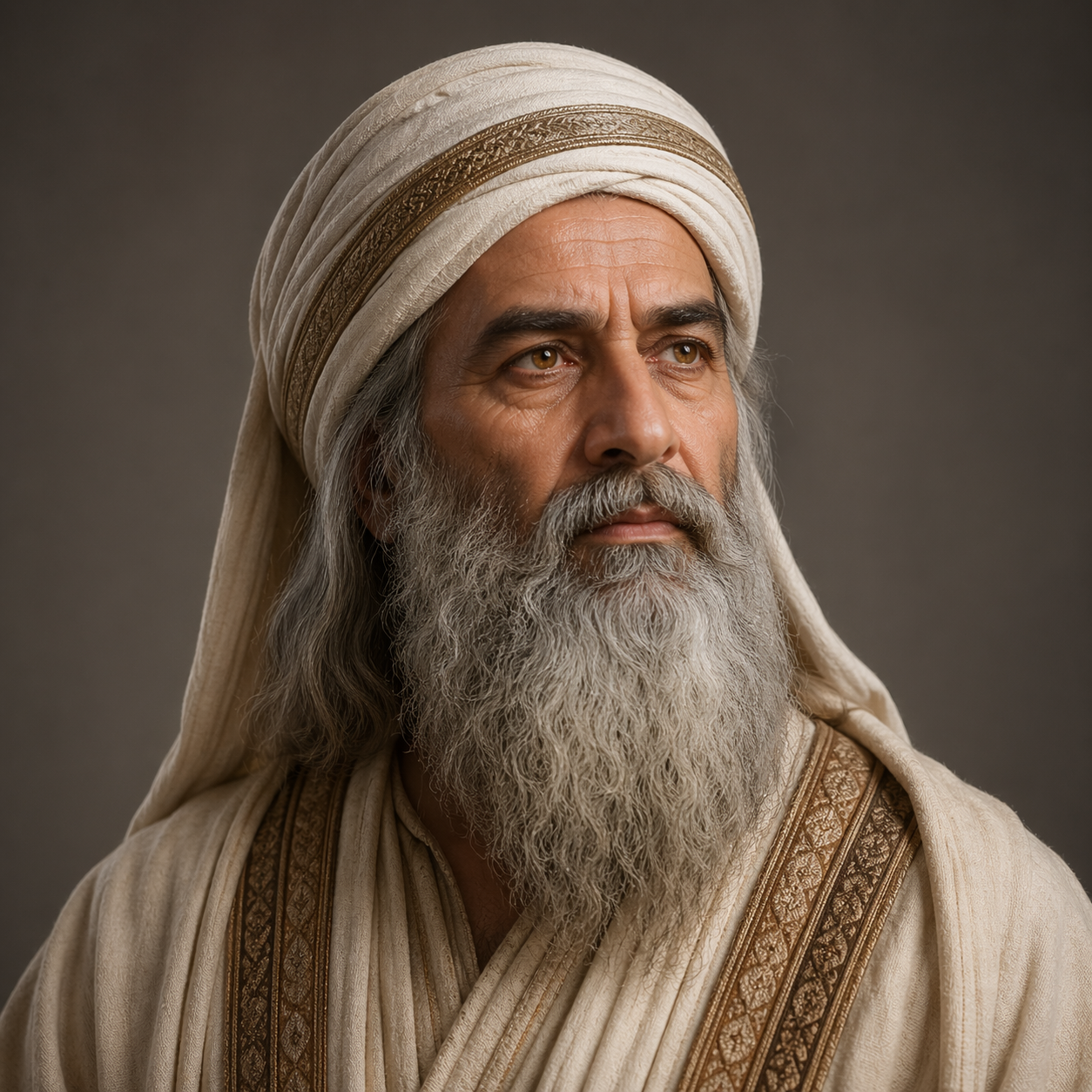
Zoroaster — "The wise man chooses good. The very wise man chooses good and then immediately f…"
The wise man chooses good. The very wise man chooses good and then immediately finds a comfortable rock to sit on.
The wise man chooses good. The very wise man chooses good and then immediately finds a comfortable rock to sit on.
Click any product to generate a realistic preview. Up to 3 at a time.
* Initial load can take up to 90 seconds — revising the preview in another color is nearly instant.
"A knife of the keenest steel requires the whetstone, and the wisest man needs advice."
"May we be granted the choice of good over evil, and the wisdom to discern the right path."
"Righteousness and Good Mind for the people. To enable me to apprise all, teach me O Mazda Ahura, Through Thine own Spirit and Thine own Words, the principle of creation of the first existence."
"With an open mind, seek and listen to all the highest ideals. Consider the most enlightened thoughts. Then choose your path, person by person, each for oneself."
"Embrace change. Unless it involves getting up early on a weekend."
Iranian prophet who founded Zoroastrianism, the first major religion of cosmic dualism between good (Ahura Mazda) and evil (Angra Mainyu). Closely associated with The Buddha (near-contemporary Eastern moral-cosmological revolutionary). For an intellectual contrast, see Friedrich Nietzsche, German philosopher of 'beyond good and evil' — Nietzsche appropriated Zarathustra's name for Thus Spoke Zarathustra (1883) precisely to invert the original's moral cosmology — the historical Zoroaster founded the good-versus-evil framework Nietzsche's character announces the end of.
Found in 1 providers: grok
1 source checked
Real wisdom means more than just making the right choice; it means pairing that choice with self-care and rest. Picking what is good is only half the job. The truly wise person acts virtuously, then pauses to recover, reflect, and enjoy the result rather than racing to the next task. It gently mocks the idea that good people must constantly strive, suggesting stillness is part of a well-lived life.
Zoroaster taught that humans possess free will and must actively choose Asha (truth, order, good) over Druj (the lie). As a reforming priest who spent years in contemplation before preaching, he valued both decisive moral action and meditative stillness. The quip fits a teacher who walked long roads, faced rejection, and understood that sustaining righteous choice requires pacing, reflection, and the humility to rest rather than collapse into zeal.
Zoroaster lived in Bronze Age Iran, among semi-nomadic pastoralists facing cattle raids, tribal warfare, and harsh steppe travel. Religion centered on ritual sacrifice and warrior gods; daily life was physically punishing. Introducing an ethical dualism that asked ordinary herders to choose good over evil was radical. In that exhausting world, endorsing a seated pause on a warm rock was not laziness but practical wisdom, honoring the body amid relentless labor and spiritual struggle.
AI-generated insights based on extensive research and information for context. Factual errors? Email [email protected].
Your cart is empty