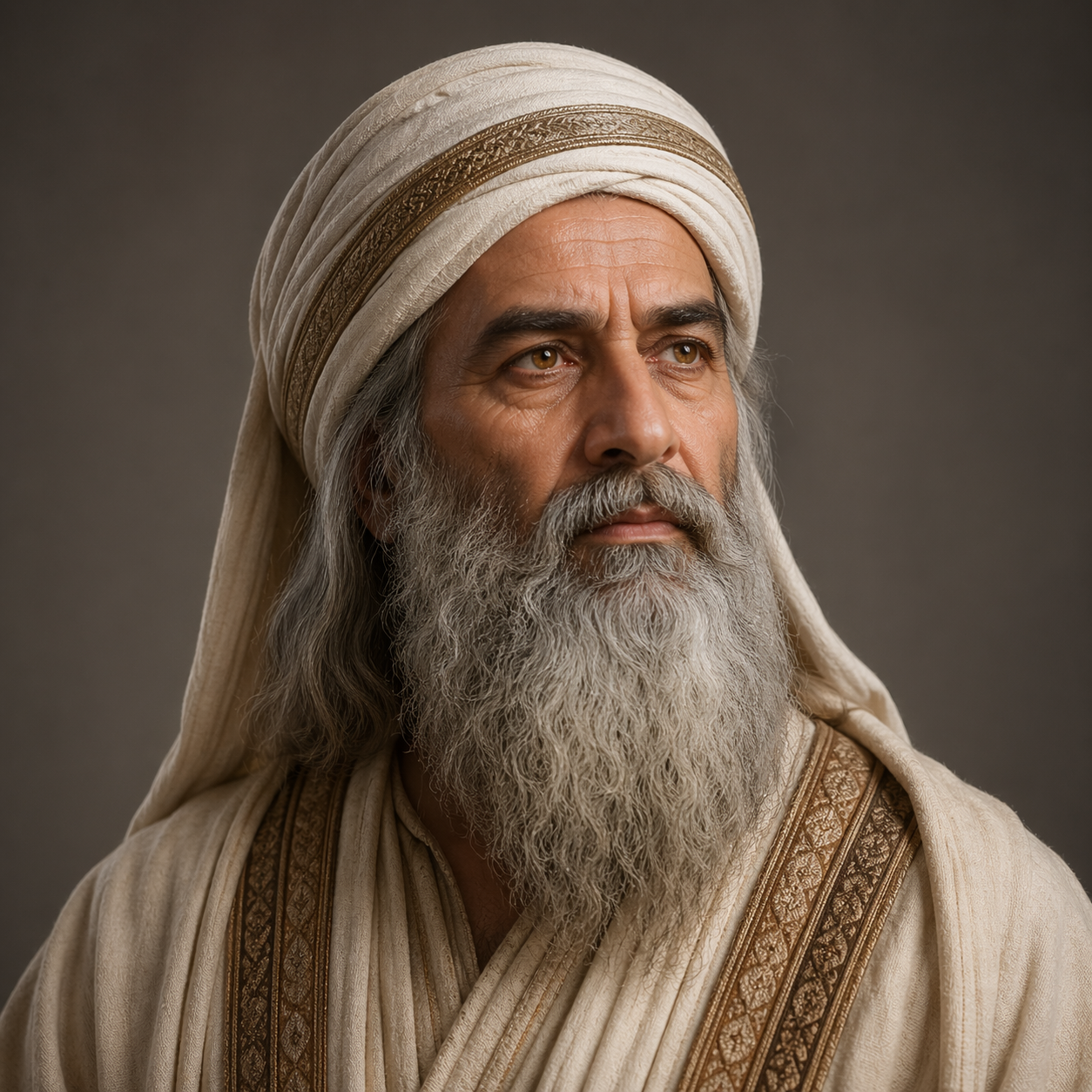
Zoroaster — "Through Righteousness and Good Mind, may we attain to the perfection of life."
Through Righteousness and Good Mind, may we attain to the perfection of life.
Through Righteousness and Good Mind, may we attain to the perfection of life.
Click any product to generate a realistic preview. Up to 3 at a time.
* Initial load can take up to 90 seconds — revising the preview in another color is nearly instant.
"Be kind to all beings. Especially those who bring you food."
"War and courage have done more great things than charity. Not your sympathy, but your bravery has saved the unfortunate."
"Life is a journey, not a destination. And sometimes, the journey involves getting really lost."
"The wicked shall be punished, but the righteous shall be rewarded."
"May the good spirit overcome the evil spirit."
Iranian prophet who founded Zoroastrianism, the first major religion of cosmic dualism between good (Ahura Mazda) and evil (Angra Mainyu). Closely associated with The Buddha (near-contemporary Eastern moral-cosmological revolutionary). For an intellectual contrast, see Friedrich Nietzsche, German philosopher of 'beyond good and evil' — Nietzsche appropriated Zarathustra's name for Thus Spoke Zarathustra (1883) precisely to invert the original's moral cosmology — the historical Zoroaster founded the good-versus-evil framework Nietzsche's character announces the end of.
Found in 1 providers: grok
1 source checked
The quote says that living with honesty and integrity, combined with clear, benevolent thinking, is the path to a truly fulfilled and complete existence. It frames moral behavior and wise intention not as burdens but as the essential ingredients for reaching the best version of human life. In modern terms: do the right thing, think with goodwill, and genuine flourishing follows naturally from that alignment.
Zoroaster founded a religion built around Asha, meaning truth and righteousness, and Vohu Manah, meaning good mind or good purpose. These are two of the six Amesha Spentas, divine principles he taught as aspects of Ahura Mazda. As a priest-prophet who rejected ritual animal sacrifice and empty ceremony, he preached that personal ethical choice, not birth caste or offerings, determined one's spiritual destiny.
Zoroaster lived in ancient Iran, likely between 1500 and 1000 BCE, among semi-nomadic Indo-Iranian tribes practicing polytheism, animal sacrifice, and a warrior-priest ritual culture shared with early Vedic India. Cattle raids, tribal warfare, and intoxicant-fueled rites dominated religious life. His teaching of a single wise god and individual moral responsibility was radical, shifting authority from hereditary priests and kings to the conscience of each believer.
AI-generated insights based on extensive research and information for context. Factual errors? Email [email protected].
Your cart is empty