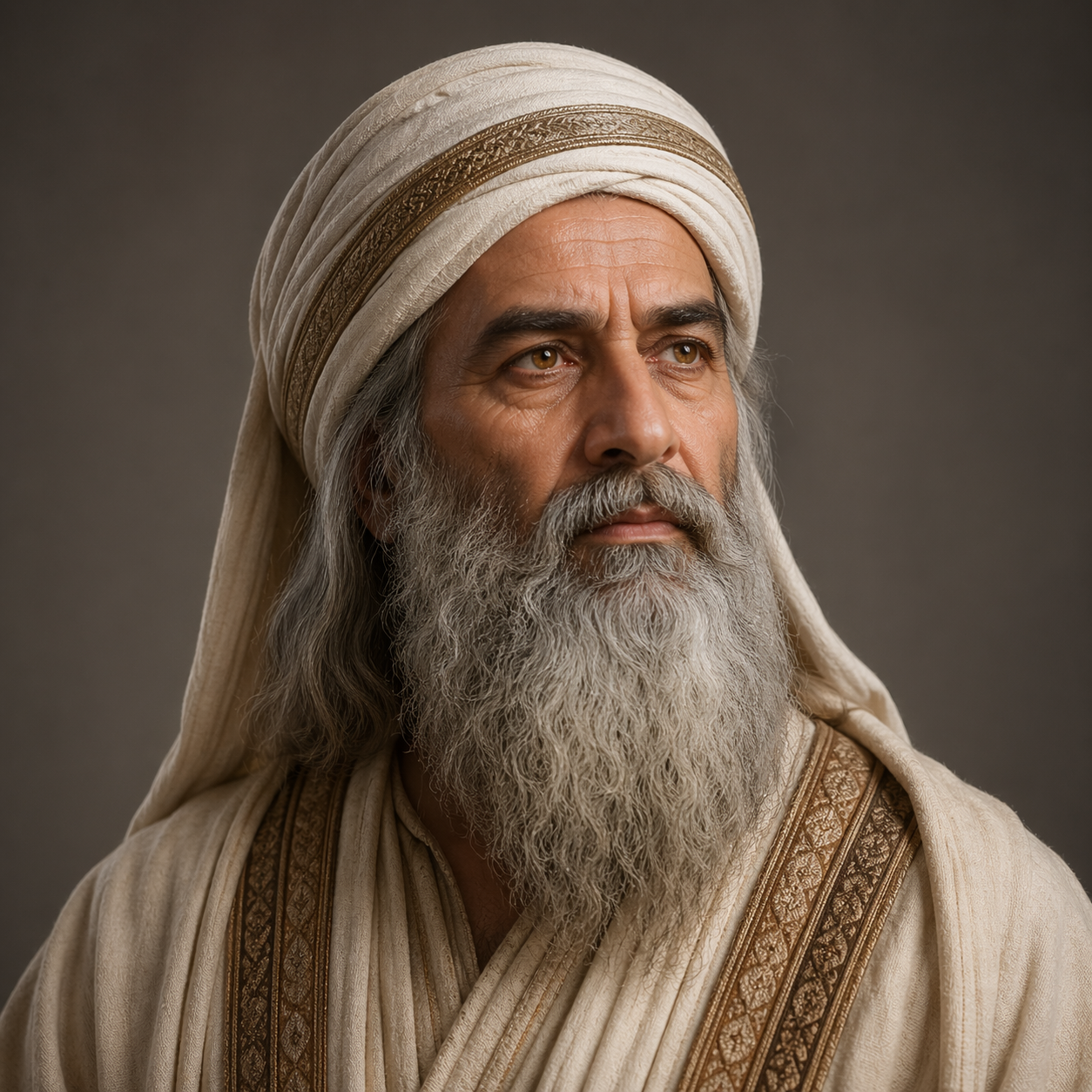
Zoroaster — "Whosoever, O Mazda, by his thoughts, words, and deeds makes a sacrifice to Thee,…"
Whosoever, O Mazda, by his thoughts, words, and deeds makes a sacrifice to Thee, he shall be granted the best existence.
Whosoever, O Mazda, by his thoughts, words, and deeds makes a sacrifice to Thee, he shall be granted the best existence.
Click any product to generate a realistic preview. Up to 3 at a time.
* Initial load can take up to 90 seconds — revising the preview in another color is nearly instant.
"Through Righteousness and Good Mind, may we attain to the perfection of life."
"May your wisdom grow with each passing day. And may your hair stay where it is."
"Excessive liberty and excessive servitude are equally dangerous, and produce nearly the same effect."
"May good thoughts, good words, good deeds lead to Paradise."
"Who created light and darkness? Who created sleep and waking?"
Iranian prophet who founded Zoroastrianism, the first major religion of cosmic dualism between good (Ahura Mazda) and evil (Angra Mainyu). Closely associated with The Buddha (near-contemporary Eastern moral-cosmological revolutionary). For an intellectual contrast, see Friedrich Nietzsche, German philosopher of 'beyond good and evil' — Nietzsche appropriated Zarathustra's name for Thus Spoke Zarathustra (1883) precisely to invert the original's moral cosmology — the historical Zoroaster founded the good-versus-evil framework Nietzsche's character announces the end of.
Found in 1 providers: gemini
1 source checked
If you dedicate your entire self to the divine through good thinking, truthful speech, and righteous action, you earn the highest reward, a blessed existence. The quote sets a complete standard for devotion, not just rituals or offerings, but the alignment of mind, voice, and behavior with what is good. Sincere moral living itself becomes the sacrifice that secures ultimate well-being.
This captures the signature teaching Zoroaster built his religion around, the triad of good thoughts, good words, and good deeds. As a reforming priest who rejected animal sacrifice and empty ritual, he redefined worship as ethical living directed toward Ahura Mazda, the wise lord he proclaimed. The line reads like his own mission statement, distilling the personal responsibility and moral dualism central to the Gathas he composed.
Zoroaster preached in ancient Iran roughly between 1500 and 1000 BCE, among polytheistic tribes practicing blood sacrifice and intoxicating haoma rites controlled by a priestly class. Shifting from nomadic to settled herding life created social tension, cattle raiding, and conflict. Against that backdrop his emphasis on an ethical single lord, personal accountability, and inward sacrifice was radical, later shaping Persian imperial religion and influencing Jewish, Christian, and Islamic ideas of heaven, judgment, and dualism.
AI-generated insights based on extensive research and information for context. Factual errors? Email [email protected].
Your cart is empty