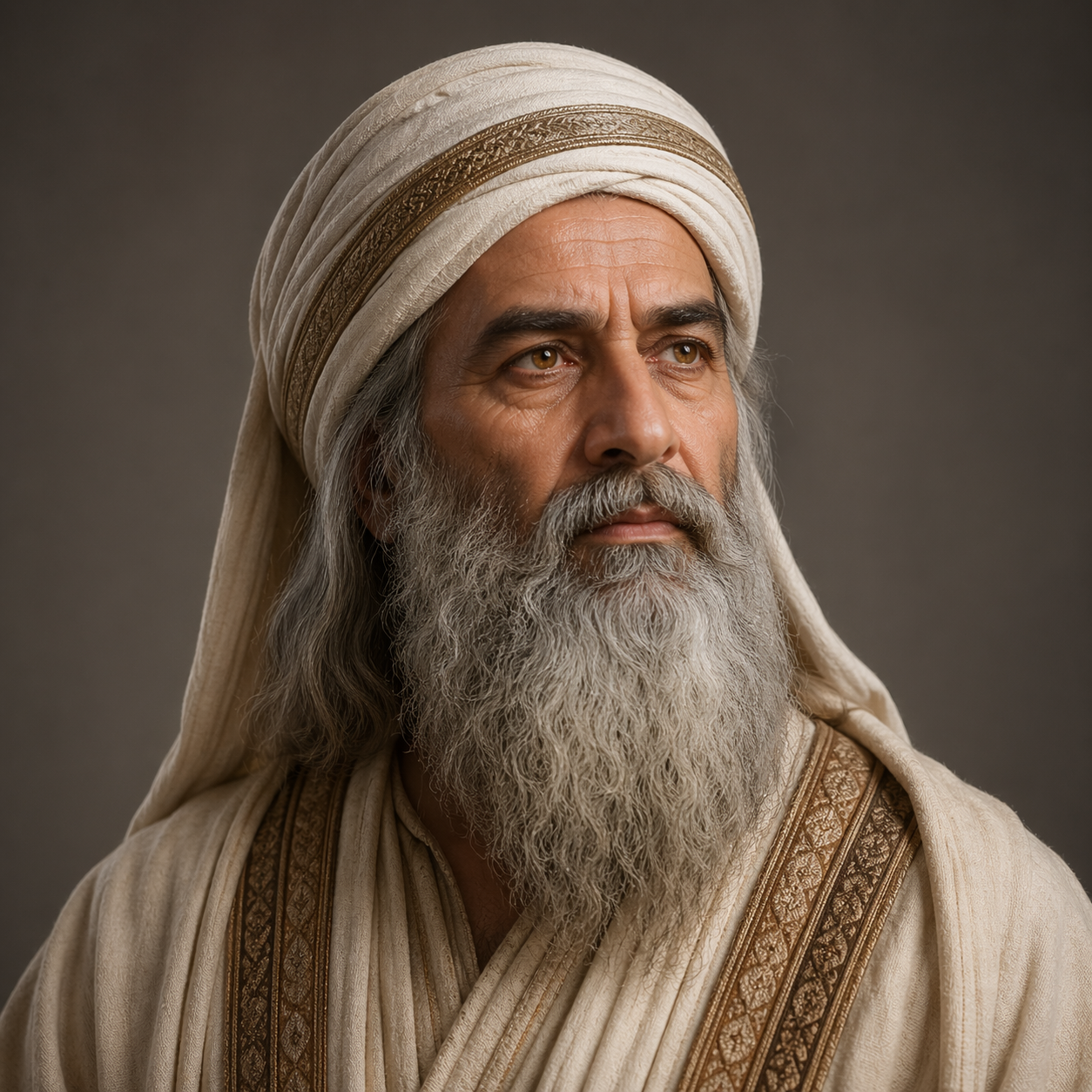
Zoroaster — "Aša Vahišta (Best Righteousness) is the best of all things, and happiness is to …"
Aša Vahišta (Best Righteousness) is the best of all things, and happiness is to him who is righteous for the sake of Righteousness.
Aša Vahišta (Best Righteousness) is the best of all things, and happiness is to him who is righteous for the sake of Righteousness.
Click any product to generate a realistic preview. Up to 3 at a time.
* Initial load can take up to 90 seconds — revising the preview in another color is nearly instant.
"For the wicked man, the end of existence shall be long darkness, ill food, and the word 'woe!'"
"The wise choose the truth, the foolish choose the lie."
"By what signs wilt thou appoint the days for questioning about thy possessions and thyself? Thus to the Lord doth Asha, the Truth, reply: 'No guide is known who can shelter the world from woe, None wh…"
"He who brings forth life for the cattle and cultivates the earth with righteousness, he is the one who serves Mazda."
"Lovingly, O Ahura, I pray to You who are the most excellent, and in harmony with utmost Righteousness."
Iranian prophet who founded Zoroastrianism, the first major religion of cosmic dualism between good (Ahura Mazda) and evil (Angra Mainyu). Closely associated with The Buddha (near-contemporary Eastern moral-cosmological revolutionary). For an intellectual contrast, see Friedrich Nietzsche, German philosopher of 'beyond good and evil' — Nietzsche appropriated Zarathustra's name for Thus Spoke Zarathustra (1883) precisely to invert the original's moral cosmology — the historical Zoroaster founded the good-versus-evil framework Nietzsche's character announces the end of.
Found in 1 providers: gemini
1 source checked
Doing the right thing is the highest good, and real happiness comes from people who act morally because morality itself matters, not because they expect a reward. The quote draws a sharp line between genuine ethics and transactional goodness. If you only behave well to gain something, you miss the point. True fulfillment belongs to those whose integrity is its own motive and its own payoff.
Zoroaster built his entire religion around Asha, the cosmic principle of truth and right order, positioning it as one of the six Amesha Spentas. As a priest-reformer who rejected the ritualistic polytheism of his day, he taught that each person freely chooses between Asha and the Lie (Druj). This saying distills his core ethical insight: righteousness is not a bargaining chip with the gods but the very structure of a worthy life.
Zoroaster lived in Bronze Age Iran, likely between 1500-1000 BCE, among semi-nomadic tribes whose religion revolved around animal sacrifice, intoxicating haoma rituals, and warrior gods demanding offerings for favor. Morality was transactional and tribal. His insistence on inward righteousness, individual choice, and ethics decoupled from ritual bribery was radical, reshaping Persian spirituality and later influencing Judaism, Christianity, and Islam through centuries of cultural contact.
AI-generated insights based on extensive research and information for context. Factual errors? Email [email protected].
Your cart is empty