Zoroaster — "Do not hold grain waiting for higher prices when people are hungry."
Do not hold grain waiting for higher prices when people are hungry.
Do not hold grain waiting for higher prices when people are hungry.
Click any product to generate a realistic preview. Up to 3 at a time.
* Initial load can take up to 90 seconds — revising the preview in another color is nearly instant.
"Be kind to all beings. Especially those who bring you food."
"And when these two spirits came together, they created life and non-life, and how at the end the worst existence shall be for the wicked, but the Best Mind for the righteous."
"The light of truth shines brightly. Unless it's cloudy. Then it's more of a gentle glow."
"For he who looks upon evil with tolerance is no other than evil himself."
"None have I to protect me save Thee; Command for me then the blessings of a settled, peaceful life."
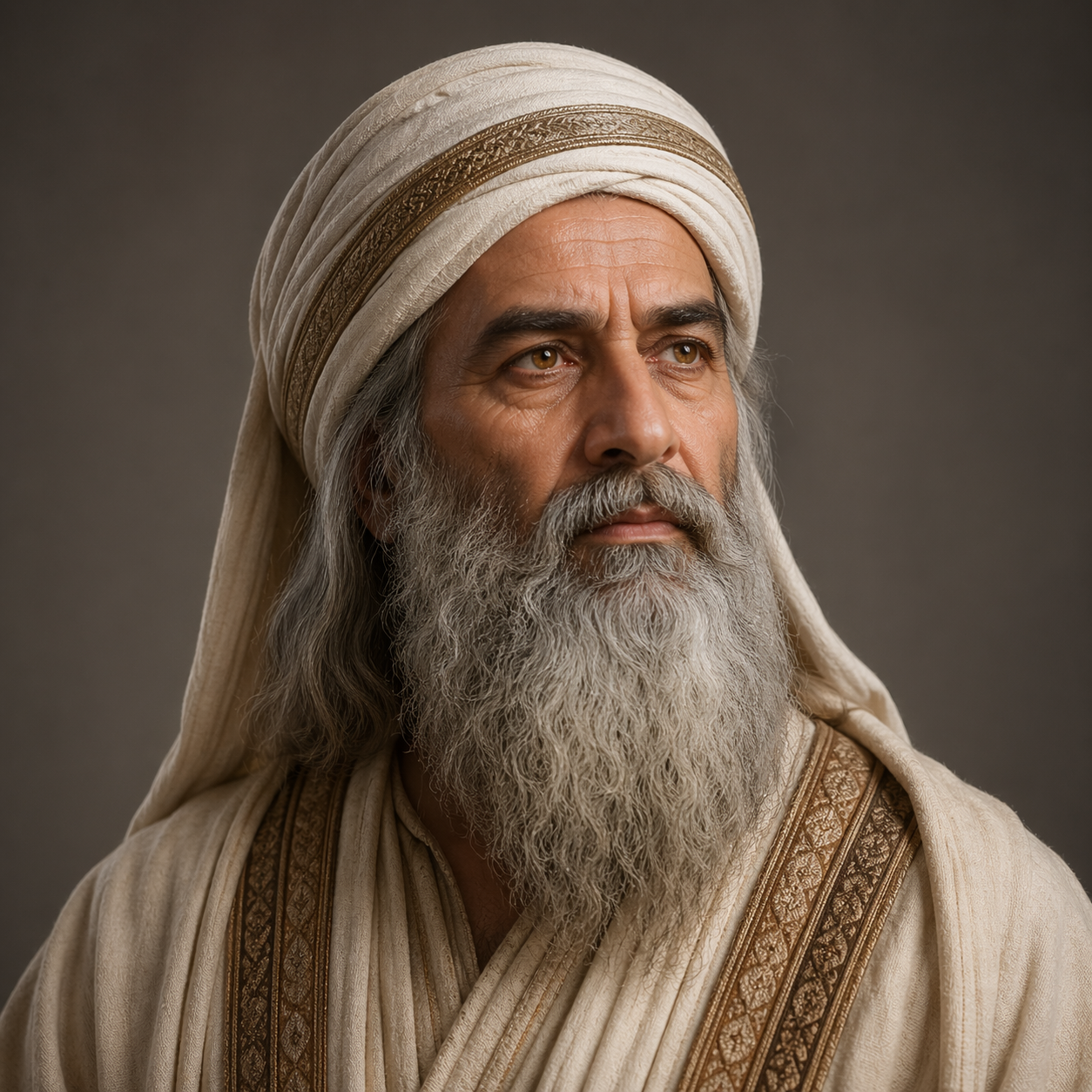
Iranian prophet who founded Zoroastrianism, the first major religion of cosmic dualism between good (Ahura Mazda) and evil (Angra Mainyu). Closely associated with The Buddha (near-contemporary Eastern moral-cosmological revolutionary). For an intellectual contrast, see Friedrich Nietzsche, German philosopher of 'beyond good and evil' — Nietzsche appropriated Zarathustra's name for Thus Spoke Zarathustra (1883) precisely to invert the original's moral cosmology — the historical Zoroaster founded the good-versus-evil framework Nietzsche's character announces the end of.
From the Gathas or other Avestan texts, an ethical injunction.
Date: c. 6th century BC
Food & DrinkFound in 1 providers: gemini
1 source checked
Don't hoard essential food to drive up prices while people suffer from hunger. Profiting from scarcity by withholding supply when communities are desperate is morally wrong. The saying condemns using market leverage over necessities to exploit the vulnerable, and urges those with surplus to release it so the needy can eat, even if it means accepting a lower return instead of maximum gain.
Zoroaster taught that righteousness (asha) required active good works, honest labor, and generosity toward the poor, while greed and deception served the lie (druj). He addressed a pastoral-agrarian society where grain stores meant survival. Condemning hoarders aligns with his ethic of good thoughts, good words, good deeds, and his insistence that wealth be earned fairly and shared, making the farmer-steward, not the speculator, the moral ideal.
In the ancient Iranian world of roughly the second millennium BCE, settled farmers and herders lived beside raiding nomads, and harvests were fragile. Famine followed drought or conflict, and those controlling granaries held life-and-death power over neighbors. No coinage or regulated markets existed; exchange ran on barter, reciprocity, and tribal obligation. Against this backdrop, priests and chieftains who withheld stored grain to extract livestock or labor were a real threat Zoroaster's ethics directly confronted.
AI-generated insights based on extensive research and information for context. Factual errors? Email [email protected].
Your cart is empty