Zoroaster — "The evil shall be destroyed, but the good shall flourish."
The evil shall be destroyed, but the good shall flourish.
The evil shall be destroyed, but the good shall flourish.
Click any product to generate a realistic preview. Up to 3 at a time.
* Initial load can take up to 90 seconds — revising the preview in another color is nearly instant.
"By what signs wilt thou appoint the days for questioning about thy possessions and thyself? Thus to the Lord doth Asha, the Truth, reply: 'No guide is known who can shelter the world from woe, None wh…"
"I know, O Wise One, that I am powerless; I have few cattle and few men."
"Doing good to others is not a duty. It is a joy, for it increases your own health and happiness."
"I yearn to know the truth, O Ahura Mazda, and to live according to it."
"The wise man chooses Righteousness, the unwise man chooses the Lie."
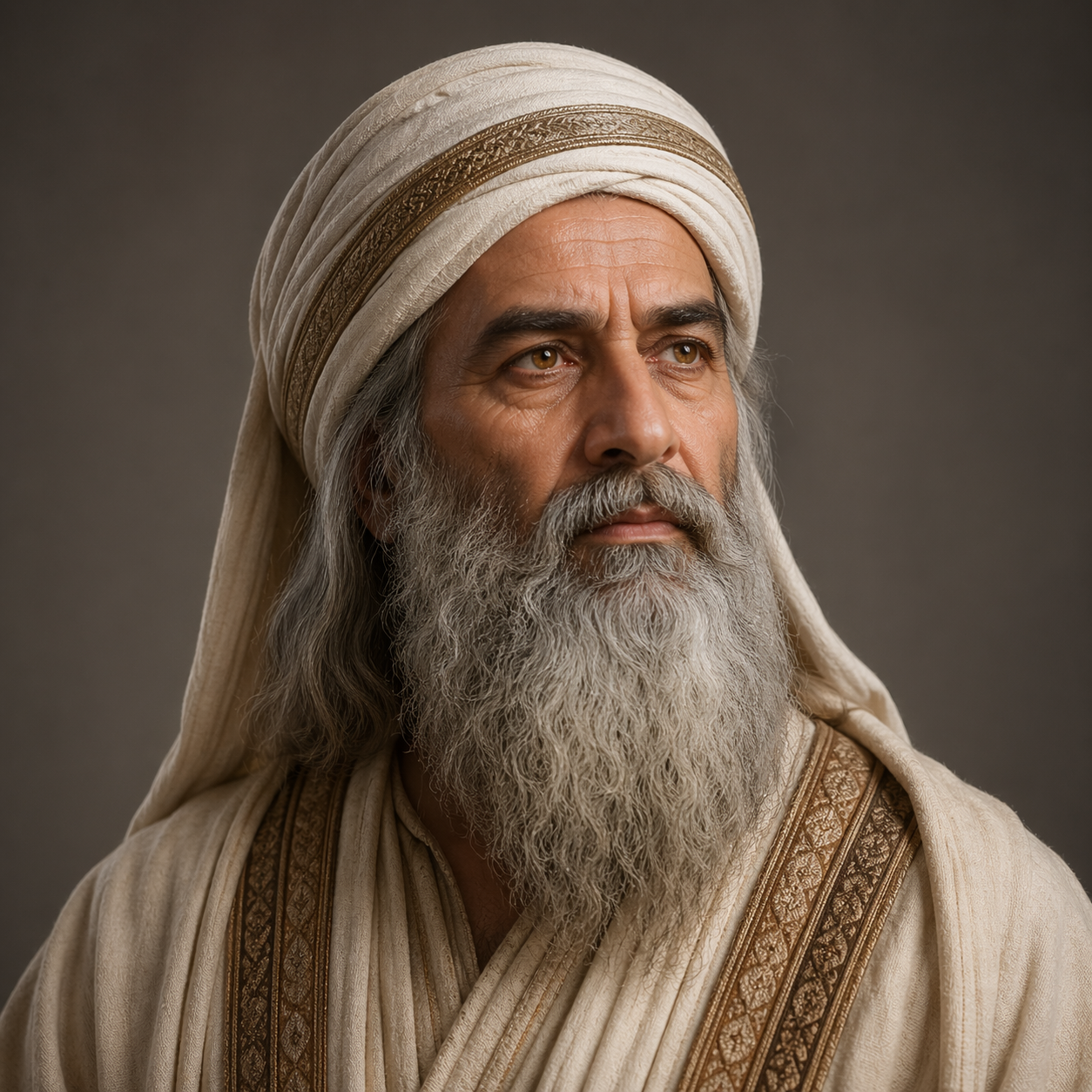
Iranian prophet who founded Zoroastrianism, the first major religion of cosmic dualism between good (Ahura Mazda) and evil (Angra Mainyu). Closely associated with The Buddha (near-contemporary Eastern moral-cosmological revolutionary). For an intellectual contrast, see Friedrich Nietzsche, German philosopher of 'beyond good and evil' — Nietzsche appropriated Zarathustra's name for Thus Spoke Zarathustra (1883) precisely to invert the original's moral cosmology — the historical Zoroaster founded the good-versus-evil framework Nietzsche's character announces the end of.
Found in 1 providers: deepseek
1 source checked
Wrongdoing and harmful forces will not endure; they collapse under their own weight, while honesty, kindness, and constructive action grow stronger over time. The statement frames morality as a living contest with a predictable outcome: what corrupts eventually burns out, and what builds up eventually prevails. It is both a warning to those who choose harm and a reassurance to those trying to live rightly that their efforts compound.
Zoroaster founded a dualistic faith centered on the cosmic struggle between Ahura Mazda, the wise creator, and Angra Mainyu, the destructive spirit. As a priest-prophet who reformed older Iranian polytheism, he taught that humans must actively choose good thoughts, good words, and good deeds. This saying distills his core doctrine of asha (truth, order) triumphing over druj (the lie), and his confidence that righteous action ultimately wins the moral contest.
Zoroaster preached in ancient Iran, likely between roughly 1500 and 1000 BCE, among pastoral tribes practicing ritual-heavy polytheism with animal sacrifice and a warrior ethos. Raiding, cattle theft, and clan violence shaped daily life, and priests held power through sacrificial cults. Declaring one wise god, moral accountability, and a final victory of good over evil was radical, turning ethics inward toward personal choice rather than ritual appeasement and foreshadowing later Jewish, Christian, and Islamic eschatology.
AI-generated insights based on extensive research and information for context. Factual errors? Email [email protected].
Your cart is empty