Martin Luther — "Next to the Word of God, the noble art of music is the greatest treasure in the …"
Next to the Word of God, the noble art of music is the greatest treasure in the world.
Next to the Word of God, the noble art of music is the greatest treasure in the world.
Click any product to generate a realistic preview. Up to 3 at a time.
* Initial load can take up to 90 seconds — revising the preview in another color is nearly instant.
"The stomach is the greatest lord on earth."
"The more a man is skilled in the Scriptures, the more he is tempted."
"The hair on my head is a fine work of art, but it is not necessary for salvation."
"The soul can do without anything except the Word of God, without which there is no help for it at all."
"A Jewish heart is as hard as a stick, a stone, as iron, as a devil."
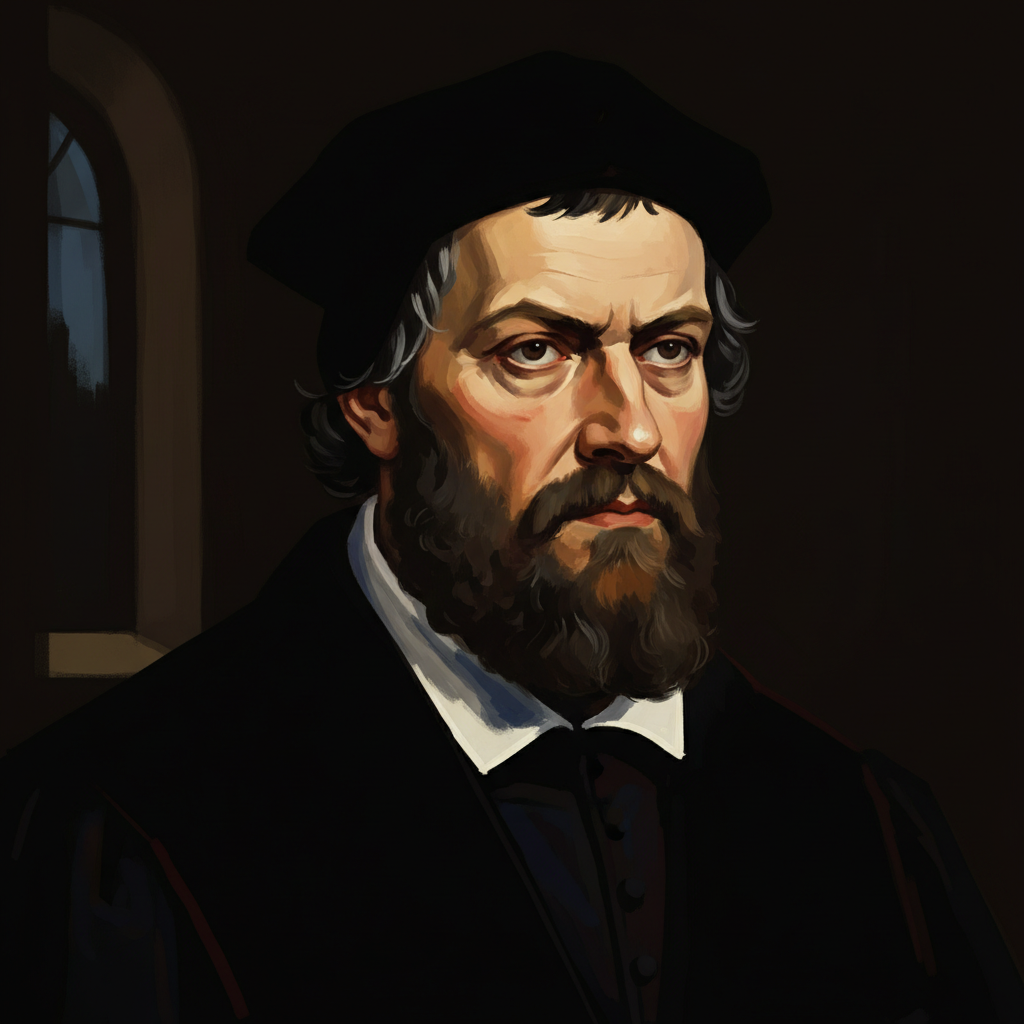
German theologian whose 95 Theses (1517) launched the Protestant Reformation and broke the Catholic Church's monopoly on Western Christianity. Closely associated with Philipp Melanchthon (Lutheran systematizer) and John Calvin (later Reformer who built on Luther's break). For an intellectual contrast, see Pope Leo X, Renaissance pope (1513-1521) — Leo X's indulgence sales triggered Luther's break and Leo excommunicated him in 1521 — Luther's entire Reformation is structured as a direct answer to the indulgence-funded Vatican Leo represented.
Found in 2 providers: gemini,grok
2 sources checked
Music ranks just below Scripture as humanity's most valuable gift. Nothing else we create or possess comes close to its worth. Song has a unique power to move the soul, comfort the suffering, teach truth, and lift the spirit. While divine revelation holds the top position, music occupies an exalted second place above all other human arts, crafts, riches, or achievements in the world.
Luther was a trained singer, lutenist, and hymn composer who wrote 'A Mighty Fortress Is Our God' and dozens of chorales. He insisted congregations sing in German rather than listen passively to Latin choirs, making music central to Reformation worship. He believed song drove away the devil and taught doctrine to the illiterate. Placing music second only to Scripture perfectly captures his lifelong conviction that theology and melody belonged together.
In early-modern Europe, the 1517 Reformation was overturning a millennium of Catholic worship where sacred music belonged to trained clergy singing Latin plainchant. Luther's German vernacular Bible (1534) and hymnals democratized faith just as Gutenberg's press spread printed music. Courts, churches, and households were embracing polyphony, the lute, and congregational singing. Declaring music a supreme treasure validated this cultural shift and armed ordinary believers with song as a weapon of piety and protest.
AI-generated insights based on extensive research and information for context. Factual errors? Email [email protected].
Your cart is empty