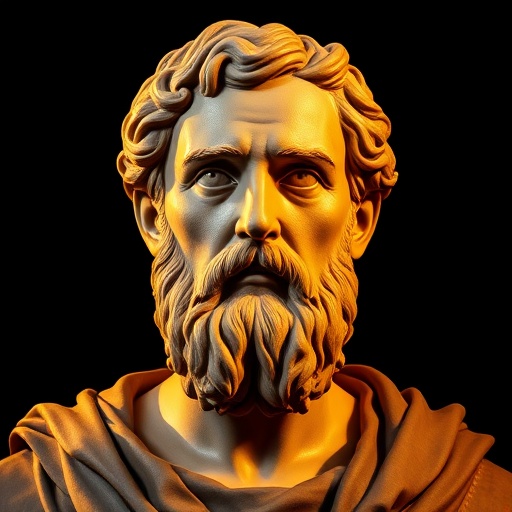
Saint Paul — "My grace is sufficient for you, for My strength is made perfect in weakness."
My grace is sufficient for you, for My strength is made perfect in weakness.
My grace is sufficient for you, for My strength is made perfect in weakness.
Click any product to generate a realistic preview. Up to 3 at a time.
* Initial load can take up to 90 seconds — revising the preview in another color is nearly instant.
"Is any man called being circumcised? let him not become uncircumcised. Is any called in uncircumcision? let him not be circumcised."
"For I determined not to know any thing among you, save Jesus Christ, and him crucified."
"If we live in the Spirit, let us also walk in the Spirit."
"Wherefore if meat make my brother to offend, I will eat no flesh while the world standeth, lest I make my brother to offend."
"For we brought nothing into the world, and we can take nothing out of it."
Found in 1 providers: gemini
1 source checked
Divine favor alone provides what a person truly needs, and human limitation is not an obstacle to that favor but the very condition that allows it to show up most clearly. When someone runs out of their own resources, resilience, or capability, that emptiness becomes the space where a greater power operates most visibly. Struggling does not disqualify you; it reveals where real strength comes from.
Paul wrote this after pleading three times for relief from a 'thorn in the flesh' that tormented him. A former Pharisee named Saul who persecuted Christians before his Damascus Road conversion, he endured shipwrecks, beatings, imprisonment, and stoning while planting churches across the Roman world. His entire ministry reframed suffering as the proof of authentic faith rather than a sign of divine abandonment, making this line his personal creed.
In the first-century Greco-Roman world, strength, honor, patronage, and visible power defined a person's worth, and gods were expected to reward their favorites with prosperity. Stoicism taught self-sufficiency; mystery religions promised hidden power. Paul wrote to Corinth, a wealthy status-obsessed port city where rival 'super-apostles' boasted credentials and charisma. Declaring weakness a virtue inverted the entire honor-shame culture and set the new Jesus movement apart from both Roman civic religion and competing philosophies.
AI-generated insights based on extensive research and information for context. Factual errors? Email [email protected].
Your cart is empty