Zoroaster — "Through righteous living, we can hasten the coming of the Frashokereti (renovati…"
Through righteous living, we can hasten the coming of the Frashokereti (renovation of the world).
Through righteous living, we can hasten the coming of the Frashokereti (renovation of the world).
Click any product to generate a realistic preview. Up to 3 at a time.
* Initial load can take up to 90 seconds — revising the preview in another color is nearly instant.
"A gentle hand can lead even an elephant by a hair. Reply to thine enemy with gentleness."
"Always meet petulance with gentleness and perverseness with kindness."
"The wise choose the best, the unwise choose the worst."
"May we attain to the state of perfection, O Ahura Mazda."
"The deceitful shall be destroyed, but the righteous shall attain the best existence."
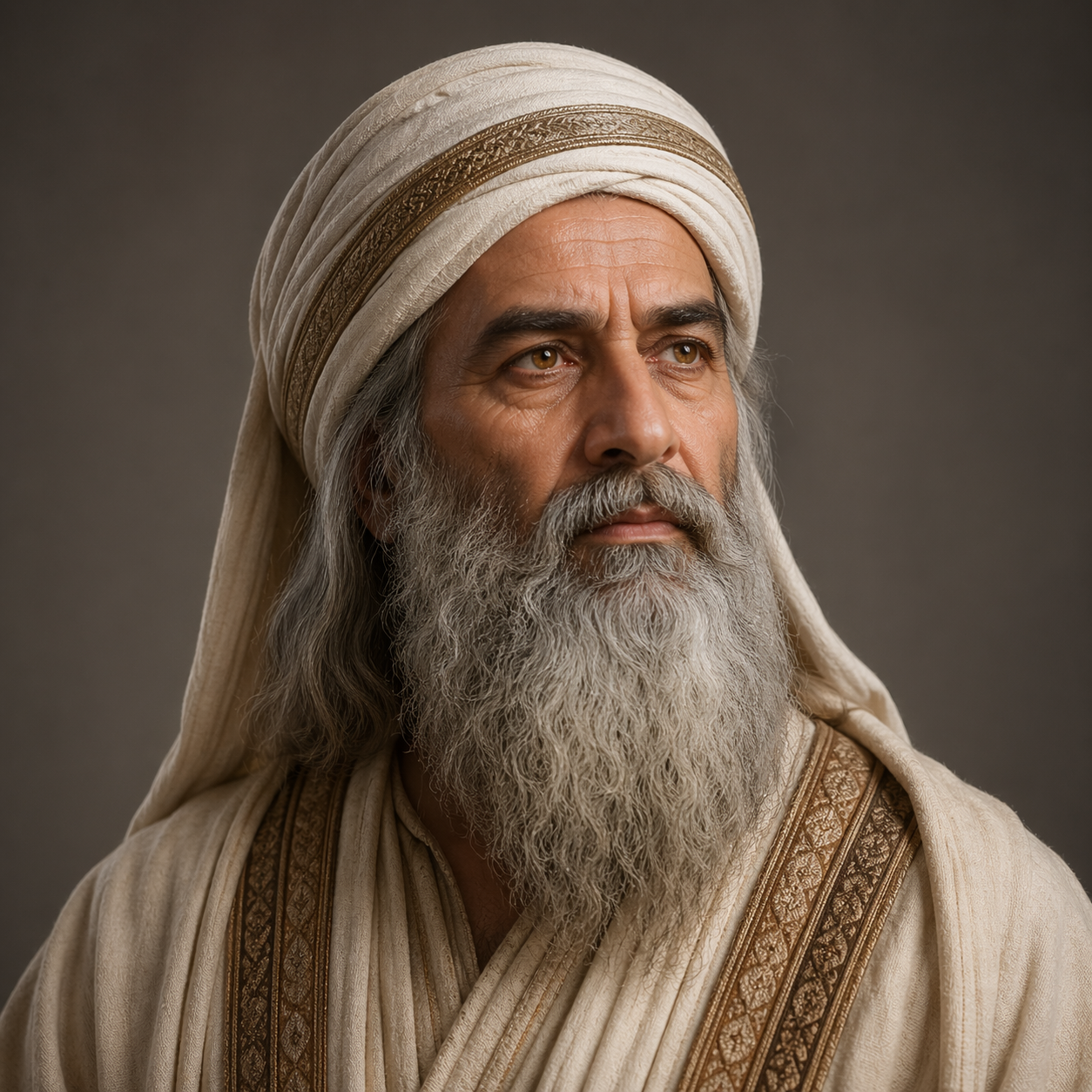
Iranian prophet who founded Zoroastrianism, the first major religion of cosmic dualism between good (Ahura Mazda) and evil (Angra Mainyu). Closely associated with The Buddha (near-contemporary Eastern moral-cosmological revolutionary). For an intellectual contrast, see Friedrich Nietzsche, German philosopher of 'beyond good and evil' — Nietzsche appropriated Zarathustra's name for Thus Spoke Zarathustra (1883) precisely to invert the original's moral cosmology — the historical Zoroaster founded the good-versus-evil framework Nietzsche's character announces the end of.
Found in 1 providers: gemini
1 source checked
Living with moral integrity and truthful action is not just personally virtuous but actively advances the final renewal of existence. Each good thought, word, and deed is a concrete contribution to eventually perfecting the world, removing evil, and restoring creation to its flawless state. Humans are not passive spectators waiting for cosmic rescue; they are participants whose daily ethical choices measurably accelerate the arrival of that ultimate restoration.
Zoroaster taught that humans are co-workers with Ahura Mazda in defeating falsehood and evil. His central ethic, 'good thoughts, good words, good deeds,' made righteousness a cosmic duty, not just personal piety. Frashokereti, the final making-wonderful, was a pillar of his theology. By framing renovation as hastened by living rightly, he placed moral agency at the heart of his prophetic mission and his reform of older Indo-Iranian ritual religion.
Zoroaster preached in Bronze-to-Iron Age Iran, roughly 1500–1000 BCE, among semi-nomadic Indo-Iranian tribes whose religion centered on animal sacrifice, polytheism, and priestly ritual rather than individual ethics. Cattle raids, tribal violence, and fatalism shaped daily life. His message of one supreme wise lord, personal moral responsibility, and a future cosmic renovation was radical, reframing ordinary human conduct as decisive in a universal struggle between truth (asha) and lie (druj).
AI-generated insights based on extensive research and information for context. Factual errors? Email [email protected].
Your cart is empty