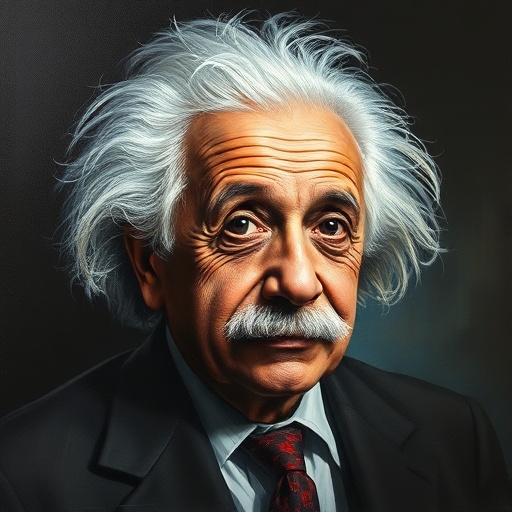
Albert Einstein — "A table, a chair, a bowl of fruit and a violin; what else does a man need to be …"
A table, a chair, a bowl of fruit and a violin; what else does a man need to be happy?
A table, a chair, a bowl of fruit and a violin; what else does a man need to be happy?
Click any product to generate a realistic preview. Up to 3 at a time.
* Initial load can take up to 90 seconds — revising the preview in another color is nearly instant.
"Great spirits have always encountered violent opposition from mediocre minds."
"Sometimes one has to look at the world from a distance to appreciate its beauty."
"The Chinese don't sit on benches while eating but squat like Europeans do when they relieve themselves out in the leafy woods."
"If you want to live a happy life, tie it to a goal, not to people or things."
"The Jews are a community bound together by ties of blood and tradition, not of religion only."
Found in 1 providers: grok
1 source checked
True happiness requires almost nothing material — just basic comfort, nourishment, and one source of beauty or creative expression. This strips away the illusion that wealth, status, or accumulation lead to contentment, arguing instead that a simple, intentional life centered on essentials is enough for genuine human flourishing.
Einstein lived this philosophy. He was famously indifferent to money and possessions, wearing the same clothes repeatedly and refusing lucrative opportunities that distracted from physics. The violin was literal — he played passionately throughout his life, calling music a spiritual necessity. He genuinely valued ideas and art over material comfort, even amid global fame.
Einstein lived through the Gilded Age's aftermath, two World Wars, and the rise of consumer capitalism. As industrialization promised happiness through goods and mass production reshaped Western culture, this sentiment was a direct counter-current — a scientist of the highest standing rejecting materialism at the precise moment society was embracing it most aggressively.
AI-generated insights based on extensive research and information for context. Factual errors? Email [email protected].
Your cart is empty