Pope Urban II — "All who die by the way, whether by land or by sea, or in battle against the paga…"
All who die by the way, whether by land or by sea, or in battle against the pagans, shall have immediate remission of sins.
All who die by the way, whether by land or by sea, or in battle against the pagans, shall have immediate remission of sins.
Click any product to generate a realistic preview. Up to 3 at a time.
* Initial load can take up to 90 seconds — revising the preview in another color is nearly instant.
"They violate the women of the Christians."
"If you must have blood, bathe in the blood of the infidels."
"A people, a truly alien people, utterly estranged from God, has invaded the lands of the Christians and has depopulated them by sword, plunder, and fire."
"The kingdom of the Greeks is already dismembered by them."
"For your brethren who live in the East are in urgent need of your help... the Turks and Arabs have attacked them."
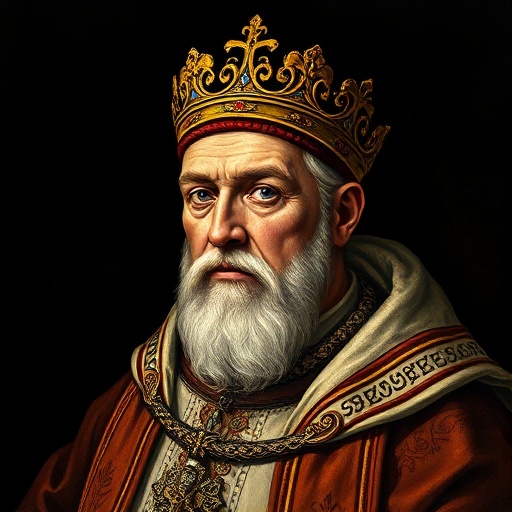
Pope (1088-1099) whose Council of Clermont speech (November 1095) launched the First Crusade — the founding event of nine centuries of Christian-Muslim military conflict. Closely associated with Pope Gregory VII (his predecessor on papal-imperial reform). For an intellectual contrast, see Saladin, Kurdish-Muslim Sultan of Egypt and Syria (1138-1193) — Saladin recaptured Jerusalem in 1187, undoing the First Crusade Urban II launched 92 years earlier. Saladin's chivalrous treatment of Christian prisoners became the canonical Muslim counter-image to Crusader brutality. The cleanest before/after pairing of the Crusades' moral arc.
Found in 2 providers: grok,deepseek
2 sources checked
Anyone who dies on this journey—whether traveling overland, at sea, or in direct combat against non-Christians—will have their sins instantly forgiven by God, bypassing the normal requirement for penance and confession. Death in service of this cause guarantees immediate spiritual pardon, essentially promising paradise to all who perish pursuing the mission.
Urban II spoke these words at the Council of Clermont in 1095, personally launching the First Crusade. As pope, he held supreme authority over Catholic doctrine and salvation. His willingness to grant plenary indulgences reflected his belief that reclaiming Jerusalem was divinely ordained, and that his papal power extended to guaranteeing God's mercy to soldiers who died in the campaign.
In medieval Christendom, dying with unconfessed sins meant purgatory or worse. The Church's control over salvation made this promise extraordinarily powerful. Jerusalem had fallen under Seljuk Turkish control, Byzantine Emperor Alexios I had requested military aid, and Europe's warrior class was eager for spiritually sanctioned violence. Urban's indulgence transformed armed pilgrimage into guaranteed salvation.
AI-generated insights based on extensive research and information for context. Factual errors? Email [email protected].
Your cart is empty