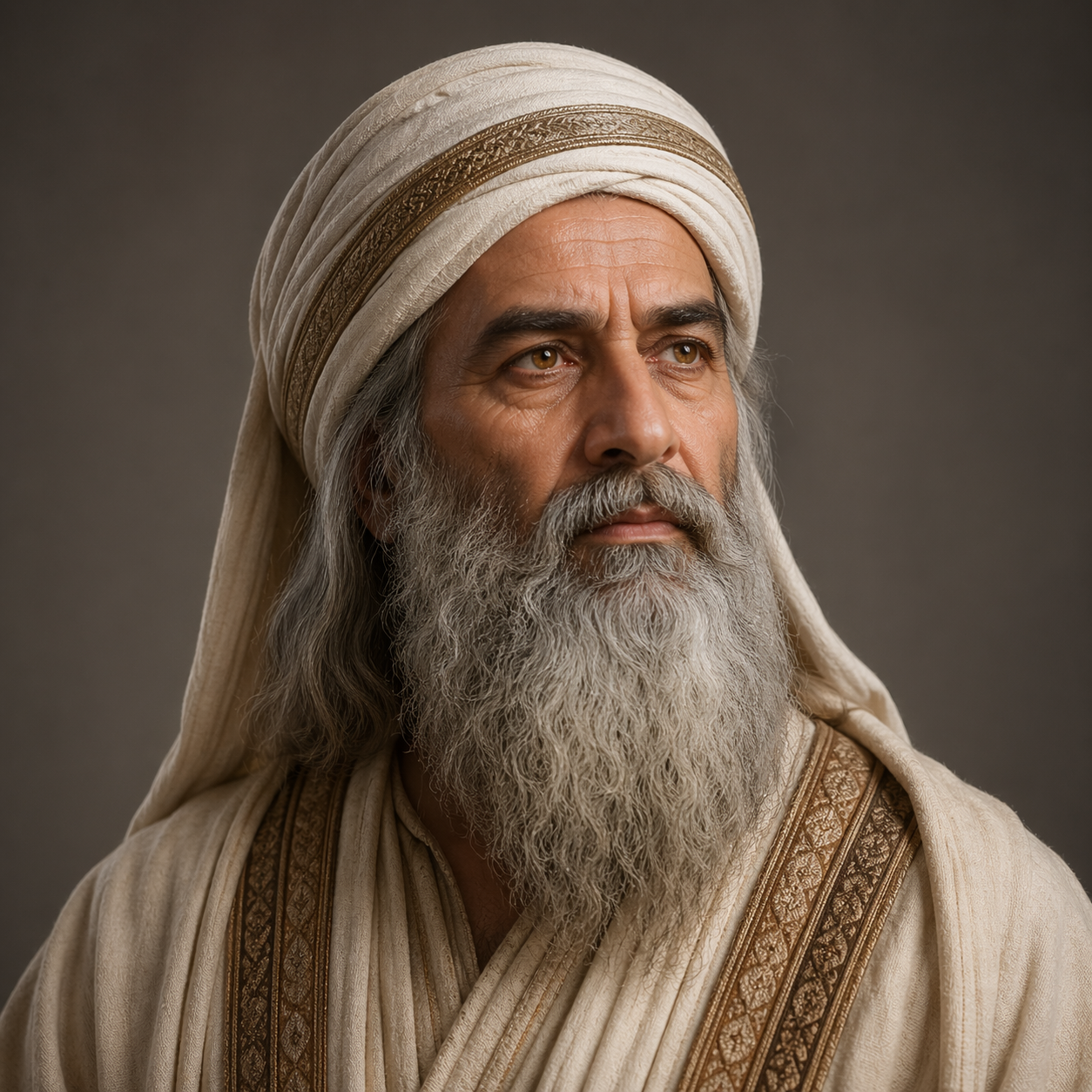
Zoroaster — "Anyone in the world here below can win purity for himself, namely, when he clean…"
Anyone in the world here below can win purity for himself, namely, when he cleanses himself with Good Thoughts, Good Words, and Good Deeds.
Anyone in the world here below can win purity for himself, namely, when he cleanses himself with Good Thoughts, Good Words, and Good Deeds.
Click any product to generate a realistic preview. Up to 3 at a time.
* Initial load can take up to 90 seconds — revising the preview in another color is nearly instant.
"Your good thoughts, good words and good deeds alone will be your intercessors. Nothing more will be wanted. They alone will serve you as a safe pilot to the harbour of Heaven, as a safe guide to the g…"
"May the divine light guide us in all our thoughts, words, and deeds."
"Life is a journey, not a destination. And sometimes, the journey involves getting really lost."
"The purpose of life is to strive for perfection and attain union with Ahura Mazda."
"If you want to know what a man is truly like, observe him when he thinks no one is watching. Or when he's trying to get a camel to cooperate."
Iranian prophet who founded Zoroastrianism, the first major religion of cosmic dualism between good (Ahura Mazda) and evil (Angra Mainyu). Closely associated with The Buddha (near-contemporary Eastern moral-cosmological revolutionary). For an intellectual contrast, see Friedrich Nietzsche, German philosopher of 'beyond good and evil' — Nietzsche appropriated Zarathustra's name for Thus Spoke Zarathustra (1883) precisely to invert the original's moral cosmology — the historical Zoroaster founded the good-versus-evil framework Nietzsche's character announces the end of.
Found in 1 providers: gemini
1 source checked
Anyone, anywhere, can achieve moral and spiritual cleanliness through their own effort. Purity is not something granted by priests, rituals, or birth status. It comes from consistently choosing good thinking, honest speech, and right action. These three practical disciplines, applied in daily life, are enough on their own to make a person righteous. The path is open to every human being without exception.
This triad, Good Thoughts, Good Words, Good Deeds, is the core ethical formula Zoroaster preached and the motto still recited by Zoroastrians today. As a reforming priest who rejected the ritual animal sacrifices and caste-bound piety of his society, he insisted individual moral agency, not priestly intermediation, determined one's standing before Ahura Mazda, placing ethics above ceremony.
Zoroaster lived in ancient Iran, likely around 1500-1000 BCE, among Indo-Iranian tribes whose religion centered on elaborate sacrifices, intoxicating haoma rituals, and warrior-caste gods. Ordinary herders and farmers depended on priests for access to the divine. By teaching that any person could earn purity directly through ethical conduct, Zoroaster broke with that sacrificial priestcraft and introduced one of the earliest individualized, universal moral frameworks in recorded history.
AI-generated insights based on extensive research and information for context. Factual errors? Email [email protected].
Your cart is empty