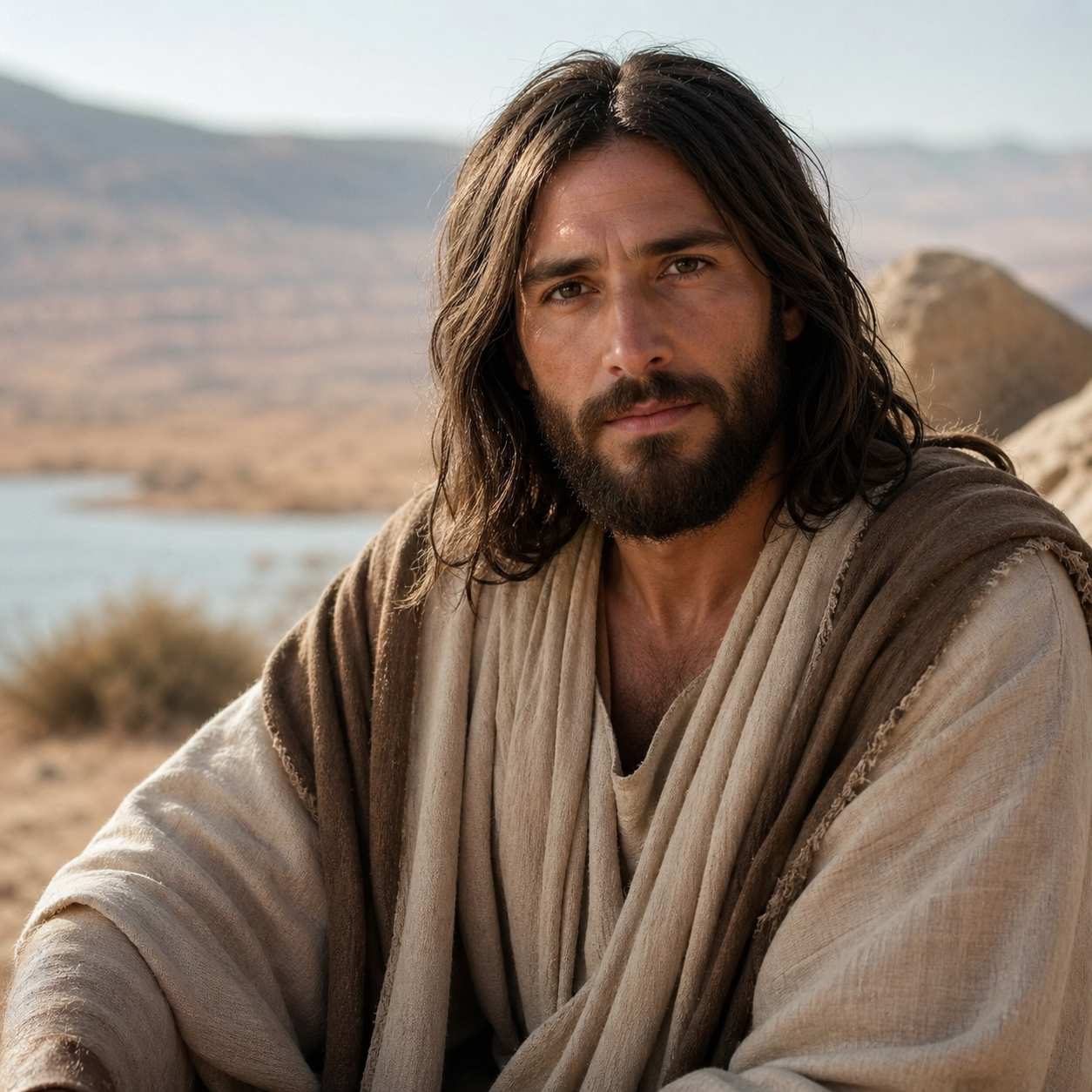
Jesus Christ — "But if you do not forgive others their sins, your Father will not forgive your s…"
But if you do not forgive others their sins, your Father will not forgive your sins.
But if you do not forgive others their sins, your Father will not forgive your sins.
Click any product to generate a realistic preview. Up to 3 at a time.
* Initial load can take up to 90 seconds — revising the preview in another color is nearly instant.
"Woe to you who are rich, for you have already received your comfort."
"Repent, for the kingdom of heaven is at hand."
"Truly I tell you, unless you change and become like little children, you will never enter the kingdom of heaven."
"And do not fear those who kill the body but cannot kill the soul. Rather fear him who can destroy both soul and body in hell."
"And these will go away into eternal punishment, but the righteous into eternal life."
Found in 1 providers: grok
1 source checked
Forgiveness works both ways. If you refuse to let go of grudges against people who have wronged you, you cannot expect God to wipe your own slate clean. The mercy you receive is tied directly to the mercy you extend. Holding onto resentment blocks you from the very grace you're seeking. You cannot demand pardon while withholding it from someone else.
This captures a core teaching of Jesus, who made mercy central to his ministry. He dined with tax collectors, defended an adulterous woman, and from the cross asked forgiveness for his executioners. The Lord's Prayer he taught includes 'forgive us as we forgive others.' He told Peter to forgive seventy-seven times, rejecting the legalistic limits of his day in favor of radical, repeated pardon.
First-century Judea operated under strict honor-shame codes and Roman occupation fueled resentment. Rabbinic tradition debated forgiveness limits, with three times a common ceiling. Temple sacrifice handled sin through ritual payment, not relational reconciliation. Jesus spoke to a people crushed by taxation, sectarian hatred between Jews, Samaritans, and Gentiles, and zealot violence. Teaching unconditional interpersonal forgiveness cut against every cultural instinct for vengeance, honor restoration, and transactional piety.
AI-generated insights based on extensive research and information for context. Factual errors? Email [email protected].
Your cart is empty