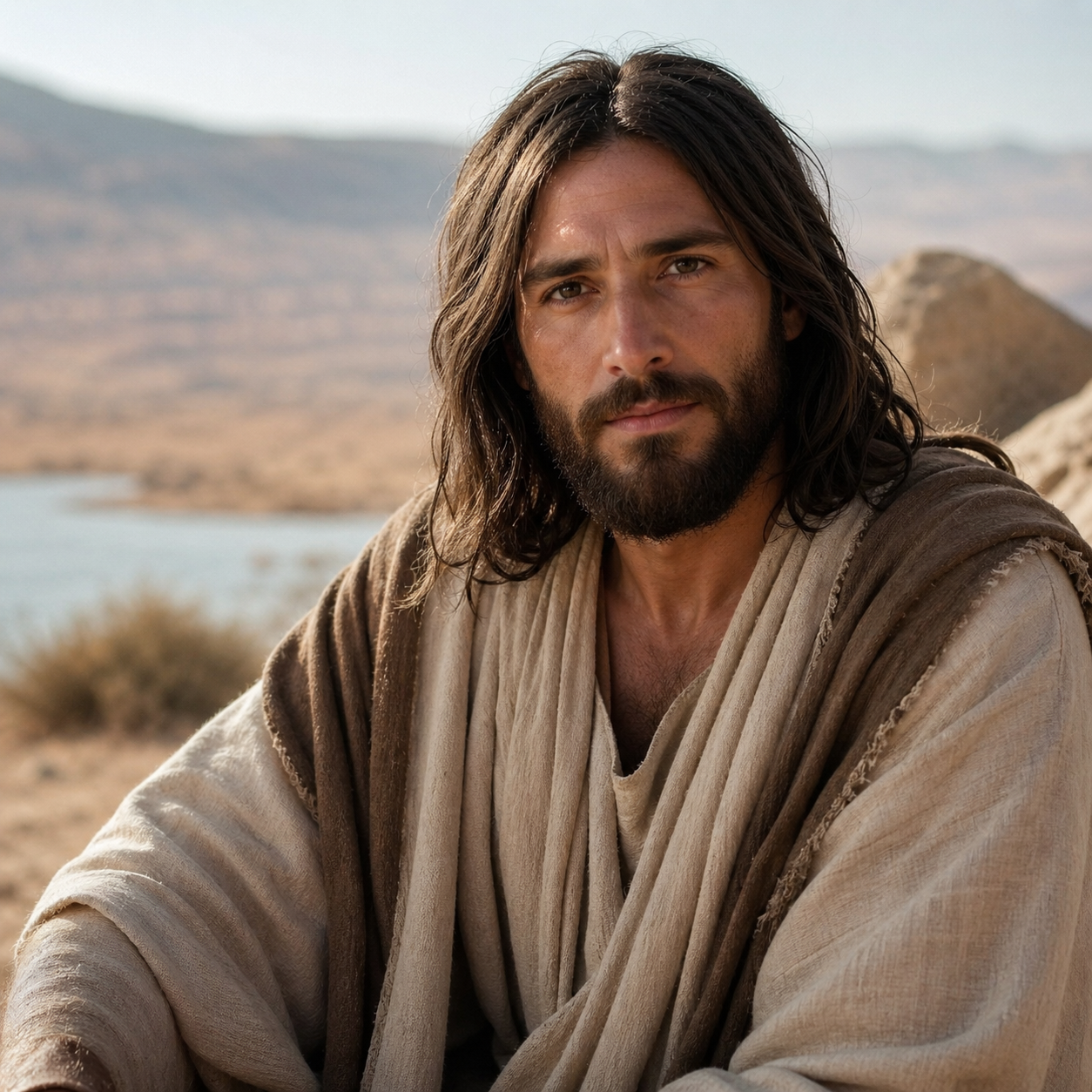
Jesus Christ — "Do you think that I have come to bring peace to the earth? I have not come to br…"
Do you think that I have come to bring peace to the earth? I have not come to bring peace, but a sword.
Do you think that I have come to bring peace to the earth? I have not come to bring peace, but a sword.
Click any product to generate a realistic preview. Up to 3 at a time.
* Initial load can take up to 90 seconds — revising the preview in another color is nearly instant.
"For to everyone who has, more will be given, and he will have abundance. But from the one who has not, even what he has will be taken away."
"Those who are well have no need of a physician, but those who are sick."
"Do to others as you would have them do to you."
"Do not give dogs what is sacred; do not throw your pearls to pigs. If you do, they may trample them under their feet, and turn and tear you to pieces."
"The spirit is willing, but the flesh is weak."
Matthew 10:34, addressing his disciples about the consequences of following him.
Date: c. 30-33 CE
GeneralFound in 2 providers: gemini,grok
2 sources checked
Following this teaching will create conflict, not calm. Commitment to these values will divide people, even within families, because the truth challenges comfortable arrangements and forces choices. Anyone expecting an easy, universally pleasant path should understand upfront that genuine conviction provokes opposition, splits loyalties, and demands taking sides. The promise is not harmony but clarity, and clarity cuts.
Jesus spent his ministry confronting religious authorities, overturning temple money-changers, and calling followers to abandon family, wealth, and status. He was executed for sedition precisely because his message threatened both Jewish leadership and Roman order. His closest disciples were martyred. This statement matches the documented pattern of a teacher who rejected political messiahship, refused compromise with power, and accepted that fidelity to his mission would cost lives, including his own.
First-century Judea sat under Roman occupation, with zealots expecting a warrior-messiah to expel Rome and restore Israel. Families were tightly bound by religious law, honor codes, and patriarchal authority. Choosing a new rabbi often meant rupture with household, synagogue, and village. Jesus spoke into a population hungry for political peace, deliberately refusing that role and warning that allegiance to him would fracture the very social bonds that defined identity, survival, and belonging in the ancient Near East.
AI-generated insights based on extensive research and information for context. Factual errors? Email [email protected].
Your cart is empty