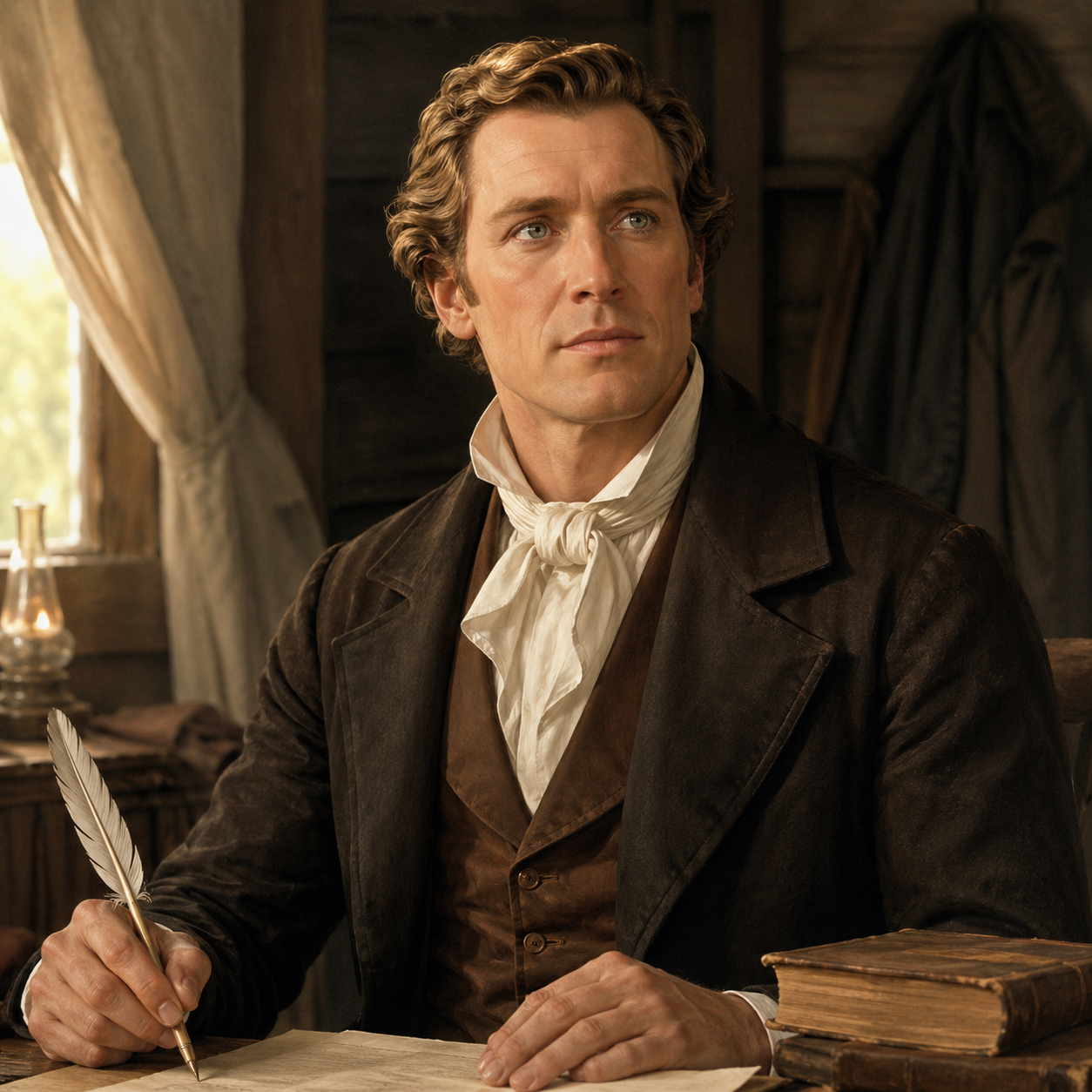
Joseph Smith — "God will yet reveal many great and important things pertaining to the Kingdom of…"
God will yet reveal many great and important things pertaining to the Kingdom of God.
God will yet reveal many great and important things pertaining to the Kingdom of God.
Click any product to generate a realistic preview. Up to 3 at a time.
* Initial load can take up to 90 seconds — revising the preview in another color is nearly instant.
"I am a man of hope, and I will hope in God to the end."
"I know more than all the world put together."
"I am a man of peace, and hate contention."
"No man knows my history. I cannot tell it. I shall never tell it. I make no apologies for my life."
"I am a man of peace, and I will seek peace with all men."
Found in 1 providers: grok
1 source checked
Divine knowledge isn't finished — that's the core claim. God continues communicating new truths to humanity, and believers should expect ongoing revelations rather than treating scripture as a closed, complete record. It asserts spiritual progress, that the universe still holds mysteries awaiting disclosure, and that followers must remain open to new understanding. Faith, in this view, is dynamic rather than static, always anticipating fresh guidance from a still-active God.
Smith built his entire ministry on the doctrine of continuing revelation. He claimed angelic visits, translated the Book of Mormon from golden plates, and received hundreds of revelations compiled in the Doctrine and Covenants. This line, drawn from his 1842 Articles of Faith, encapsulates his foundational belief that Protestantism had lost direct access to God and that he was restoring it. Revelation wasn't history to Smith — it was his daily operating principle.
The early 1800s saw the Second Great Awakening sweep America — revivals, camp meetings, and explosive growth in competing denominations. Many questioned whether the original Christian church had been lost entirely. Rationalism and deism challenged traditional faith while frontier communities hungered for spiritual certainty. Smith's claim of fresh revelation offered a definitive answer to doctrinal chaos: God would simply speak again. His church grew rapidly in an environment desperate for divine authority.
AI-generated insights based on extensive research and information for context. Factual errors? Email [email protected].
Your cart is empty