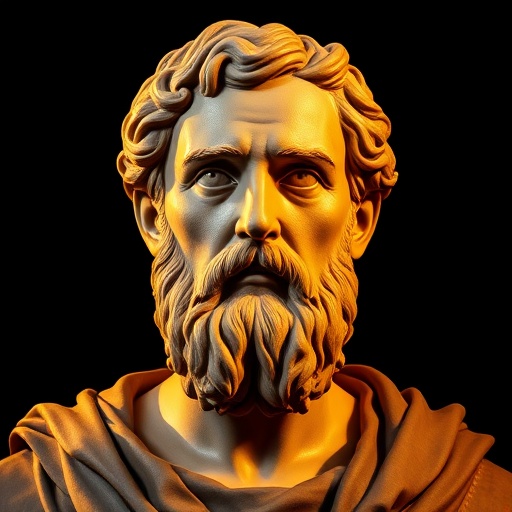
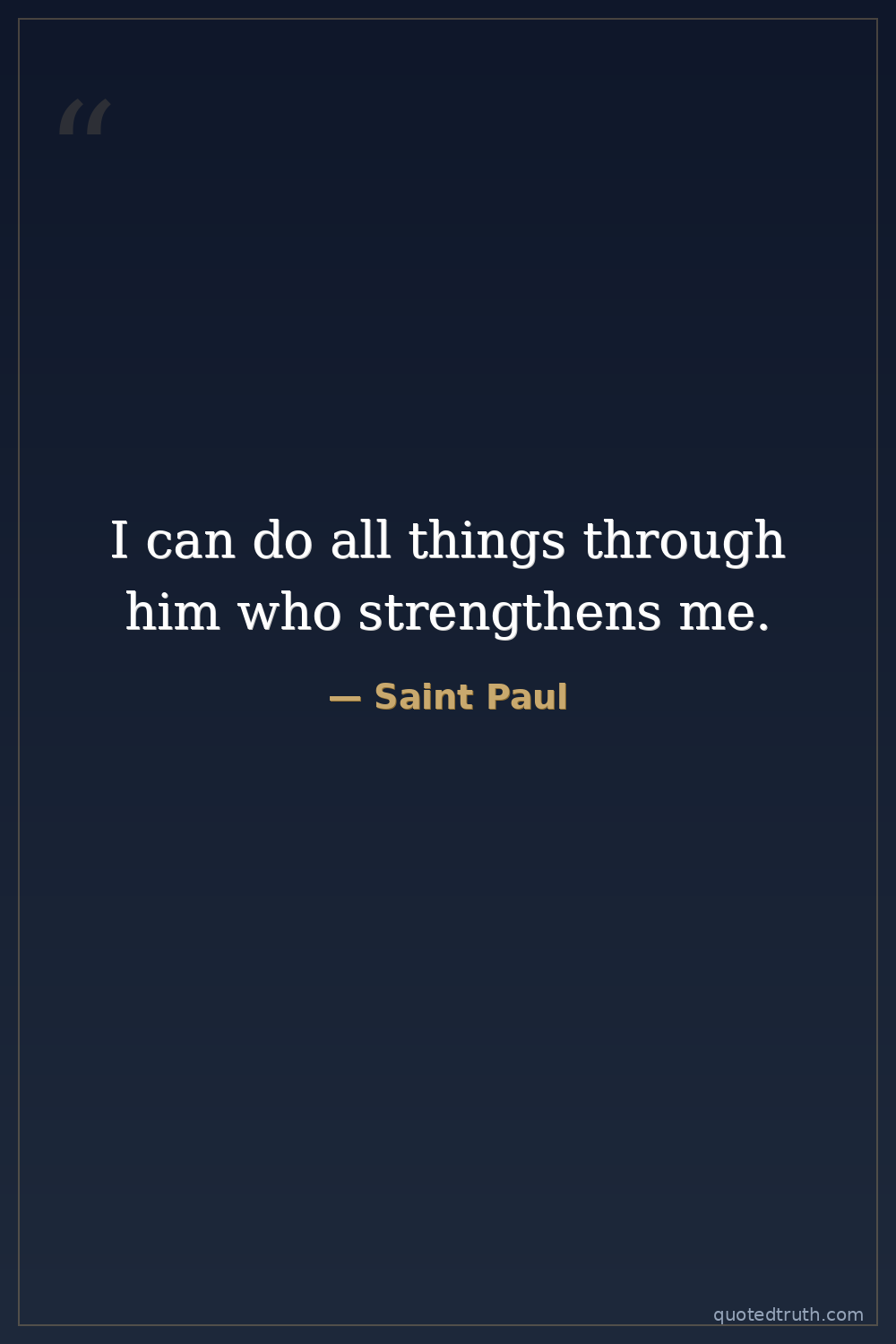
Saint Paul — "I can do all things through him who strengthens me."
I can do all things through him who strengthens me.
I can do all things through him who strengthens me.
Click any product to generate a realistic preview. Up to 3 at a time.
* Initial load can take up to 90 seconds — revising the preview in another color is nearly instant.
"For I determined not to know any thing among you, save Jesus Christ, and him crucified."
"For when I am weak, then I am strong."
"And lest I should be exalted above measure through the abundance of the revelations, there was given to me a thorn in the flesh, the messenger of Satan to buffet me, lest I should be exalted above mea…"
"If then you have been raised with Christ, seek the things that are above, where Christ is, seated at the right hand of God."
"O foolish Galatians, who hath bewitched you, that ye should not obey the truth, before whose eyes Jesus Christ hath been evidently set forth, crucified among you?"
Found in 1 providers: grok
1 source checked
Strength to face any circumstance comes from reliance on a higher power rather than personal ability. Whether in abundance or need, success or hardship, the speaker claims an inner fortitude sourced from divine connection. It is not a boast about doing literally anything, but about enduring every situation, good or bad, because sustaining power flows from outside the self.
Paul wrote this from prison to the Philippians, having survived shipwrecks, beatings, stonings, and hunger during missionary journeys across the Roman Empire. A former Pharisee named Saul who persecuted Christians before his Damascus Road conversion, he spent decades planting churches under constant threat. His tentmaking trade kept him self-sufficient, and his resilience under suffering embodies exactly the contentment-through-strength he describes here.
First-century Mediterranean life under Roman rule meant travel was dangerous, imprisonment routine for dissenters, and new religious movements were suspect. Stoic philosophy prized self-sufficient endurance, while mystery cults promised divine empowerment. Paul wrote to a small Philippian congregation in a Roman colony facing social pressure and poverty, reframing Stoic resilience through Christ rather than reason, which distinguished the emerging Christian movement from surrounding Greco-Roman thought.
AI-generated insights based on extensive research and information for context. Factual errors? Email [email protected].
Your cart is empty