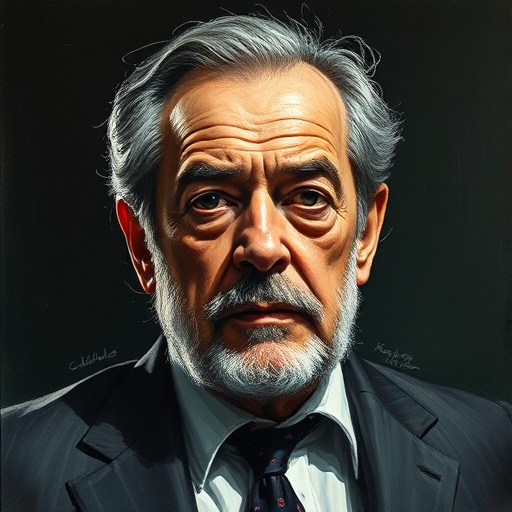
Stanley Kubrick — "If you really want to do something, you'll find a way. If you don't, you'll find…"
If you really want to do something, you'll find a way. If you don't, you'll find an excuse.
If you really want to do something, you'll find a way. If you don't, you'll find an excuse.
Click any product to generate a realistic preview. Up to 3 at a time.
* Initial load can take up to 90 seconds — revising the preview in another color is nearly instant.
"I've always been interested in the dark side of things. I think it's because it's where the real drama is."
"The greatest truth a man can learn is that there is no greatest truth."
"The greatest thing you'll ever learn is just to love and be loved in return."
"I think that the human race is capable of great things, but it's also capable of great evil."
"Good God, no. You don't stop being concerned with man because you recognize his essential absurdities and frailties and pretensions. To me, the only real immorality is that which endangers the species…"
American filmmaker (2001: A Space Odyssey, Dr. Strangelove, The Shining) whose perfectionist year-long shoots and 100-take method redefined auteurist cinema. Closely associated with Orson Welles (auteur predecessor and Citizen Kane director) and Steven Spielberg (younger collaborator (A.I. Artificial Intelligence)). For an intellectual contrast, see Quentin Tarantino, postmodern American filmmaker — Kubrick's films erase influences into singular monolithic vision; Tarantino's foreground every reference as a deliberate tribute. The two opposite ways auteurist cinema can be made.
Your cart is empty