John Calvin — "It is by no means necessary that the righteous should be distinguished from the …"
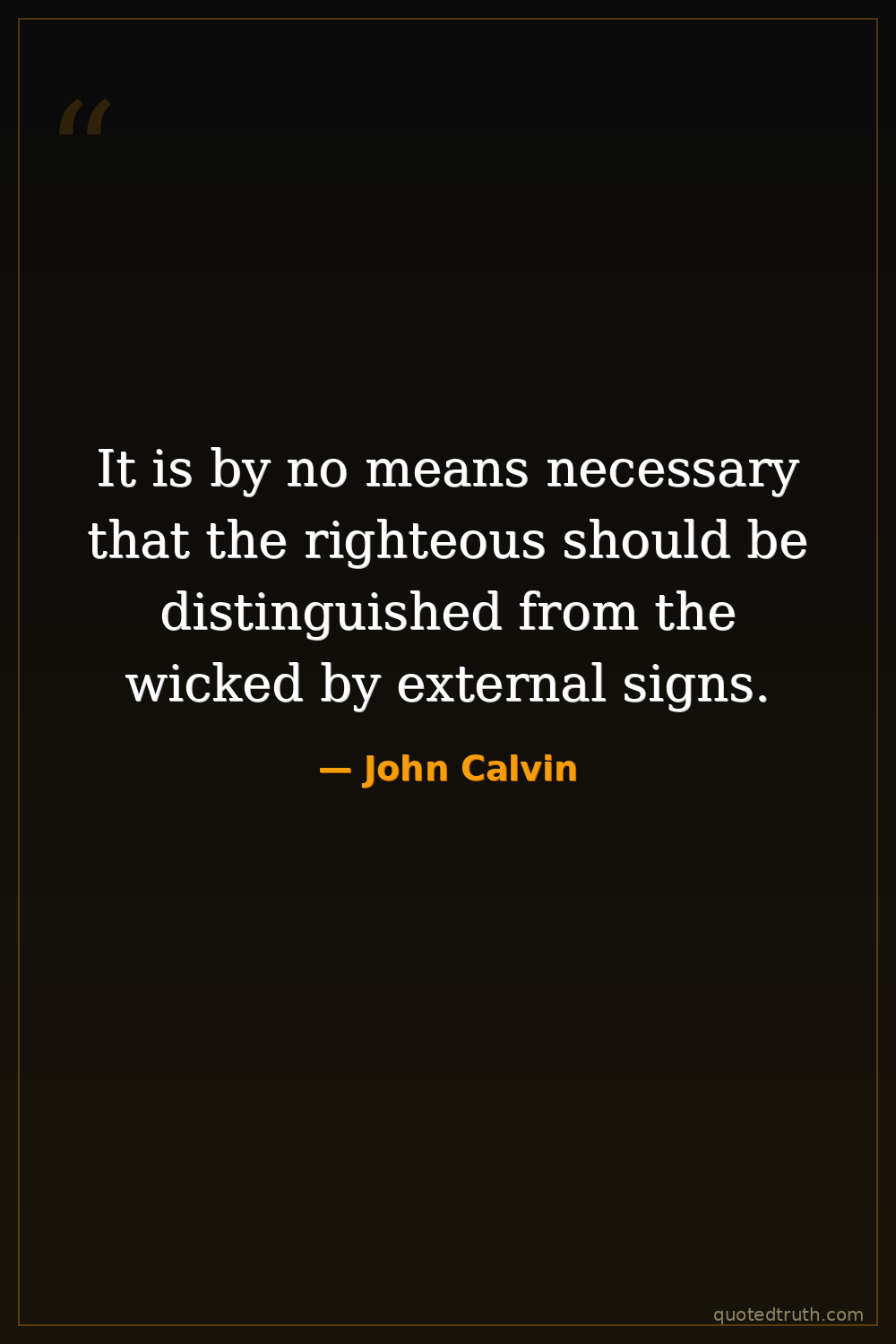
It is by no means necessary that the righteous should be distinguished from the wicked by external signs.
It is by no means necessary that the righteous should be distinguished from the wicked by external signs.
Click any product to generate a realistic preview. Up to 3 at a time.
* Initial load can take up to 90 seconds — revising the preview in another color is nearly instant.
"It is not on the basis of human works, whether performed or foreseen, that God decrees to elect some based on unmerited grace and pass by (preterition) others based on proximate sinful works."
"There is no worse screen to block out the Spirit than confidence in our own intelligence."
"The reason why some are saved and others perish is not to be sought in their own will, but in the secret counsel of God."
"The gospel is the power of God unto salvation."
"We are poor, miserable sinners, but God is rich in mercy."
French theologian whose Institutes of the Christian Religion (1536) systematized Protestant Reformed doctrine, including predestination. Closely associated with Martin Luther (Reformation founder, Calvin's predecessor). For an intellectual contrast, see Jacobus Arminius, Dutch Reformed theologian (1560-1609) — Arminius's rejection of strict double-predestination founded Arminianism — the theological tradition modern Methodism, most evangelicalism, and Pentecostalism descend from. The Calvinist-Arminian debate has divided Protestantism for 400 years.
Found in 1 providers: grok
1 source checked
Righteousness and wickedness are not reliably visible through outward appearance, social status, wealth, or behavior. A person who looks devout may be corrupt inside, while someone who appears rough or marginal may be genuinely good. True moral standing is internal and cannot be accurately judged by observers based on surface signs alone.
Calvin's theology centered on predestination and divine election — God alone knows who is saved. This quote reflects his rejection of Catholic sacramental visible-church guarantees and his insistence that outward religious performance proves nothing. As a reformer challenging priestly authority, Calvin consistently argued that human judgment of spiritual status is unreliable and presumptuous.
During the Reformation, Catholic tradition tied salvation visibly to sacraments, church membership, and clerical hierarchy. Calvin wrote amid fierce debates about who constituted the true church. Social order was also tied to visible piety — outward conformity signaled godliness. Calvin's insistence that external signs are unreliable was theologically radical and politically dangerous in a world where visible religious identity determined life and death.
AI-generated insights based on extensive research and information for context. Factual errors? Email [email protected].
Your cart is empty