Francis Crick — "The brain is a machine."
The brain is a machine.
The brain is a machine.
Click any product to generate a realistic preview. Up to 3 at a time.
* Initial load can take up to 90 seconds — revising the preview in another color is nearly instant.
"I have always been fascinated by the brain."
"The universe is a strange place."
"One of the most striking features of the human mind is its ability to believe what it wants to believe."
"We are nothing but a pack of neurons."
"If you want to be a scientist, you have to be prepared to be wrong a lot."
Found in 1 providers: grok
1 source checked
The brain operates through physical and chemical processes — neurons firing, molecules binding — not through any mystical or spiritual force. Consciousness, thought, and emotion are outputs of biological machinery. This rejects any notion of a soul or supernatural mind and insists that understanding the brain means studying it like any other complex physical system, subject to the same scientific laws governing everything else in nature.
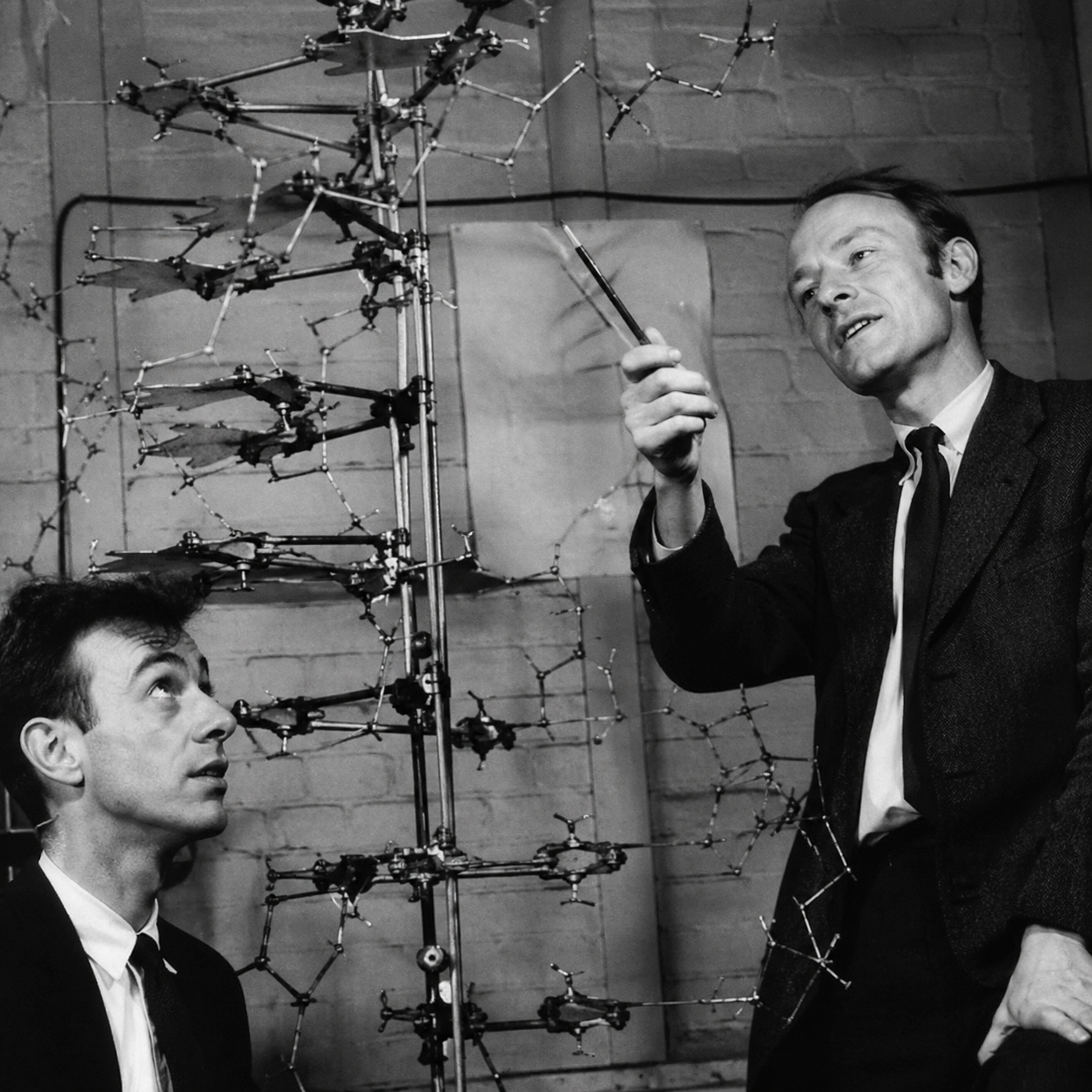
After co-discovering DNA's double helix in 1953, Crick pivoted to neuroscience in his later decades, driven by the same reductionist conviction that unlocked genetics. His 1994 book "The Astonishing Hypothesis" argued consciousness is entirely a product of neural activity — scandalous to many. A lifelong atheist, he believed no phenomenon, including the self, lay beyond scientific explanation. This quote is the thesis sentence of his second major scientific life.
Crick worked through the mid-to-late 20th century, when computers and cognitive science transformed how scientists thought about minds. Turing's 1950 paper asking "Can machines think?" seeded decades of debate, and AI research treated cognition as computation. The molecular biology revolution Crick helped launch emboldened scientists to explain life mechanistically. By the 1990s — formally declared the "decade of the brain" — his materialist claim felt both radical and perfectly timed.
AI-generated insights based on extensive research and information for context. Factual errors? Email [email protected].
Your cart is empty