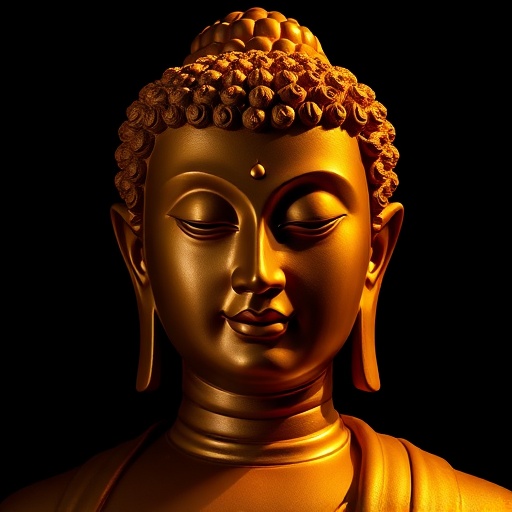
Siddhartha Gautama (Buddha) — "The greatest gift is to give people your enlightenment, to share it. It has to b…"
The greatest gift is to give people your enlightenment, to share it. It has to be the greatest.
The greatest gift is to give people your enlightenment, to share it. It has to be the greatest.
Click any product to generate a realistic preview. Up to 3 at a time.
* Initial load can take up to 90 seconds — revising the preview in another color is nearly instant.
"Nothing can harm you as much as your own thoughts unguarded."
"The root of suffering is attachment."
"When watching after yourself, you watch after others. When watching after others, you watch after yourself."
"It is in the nature of things that joy arises in a person free from remorse."
"If you meet the Buddha on the road, kill him."
Attributed, often cited in various Buddhist texts and teachings.
Date: c. 5th century BCE
WisdomFound in 1 providers: grok
1 source checked
Sharing wisdom and understanding with others surpasses any material present you could offer. When you help someone see clearly, break free from confusion, or find inner peace, you pass along something that keeps giving long after physical gifts fade. Teaching insight multiplies it, because the person who receives can share it further. Nothing else you hand someone carries that kind of lasting, compounding value in their life.
After his awakening under the Bodhi tree, the Buddha spent forty-five years walking northern India teaching the Dharma rather than keeping his insight private. He built the sangha, trained monastics, and instructed laypeople across castes because he viewed transmitted wisdom as the highest offering. His refusal of royal comfort and his choice to teach until death at Kushinagar embody this line: enlightenment mattered most when shared.
In 5th-century BCE India, spiritual knowledge was guarded by Brahmin priests who restricted Vedic teachings by caste and gender. Gift-giving to priests and ascetics was a key religious act, often measured in cattle, gold, or land. The Buddha disrupted this economy by teaching openly in Prakrit vernaculars to farmers, merchants, outcasts, and women. Calling shared enlightenment the greatest gift directly challenged the transactional, hierarchical offerings culture of his time.
AI-generated insights based on extensive research and information for context. Factual errors? Email [email protected].
Your cart is empty