Mahavira — "The greatest penance is to bear all sufferings cheerfully."
The greatest penance is to bear all sufferings cheerfully.
The greatest penance is to bear all sufferings cheerfully.
Click any product to generate a realistic preview. Up to 3 at a time.
* Initial load can take up to 90 seconds — revising the preview in another color is nearly instant.
"The soul is neither male nor female."
"All breathing, existing, living, sentient creatures should not be slain, nor treated with violence, nor abused, nor tormented, nor driven away."
"The greatest wealth is health."
"The world is a prison, and the soul is the prisoner."
"Attachment is the root of all suffering."
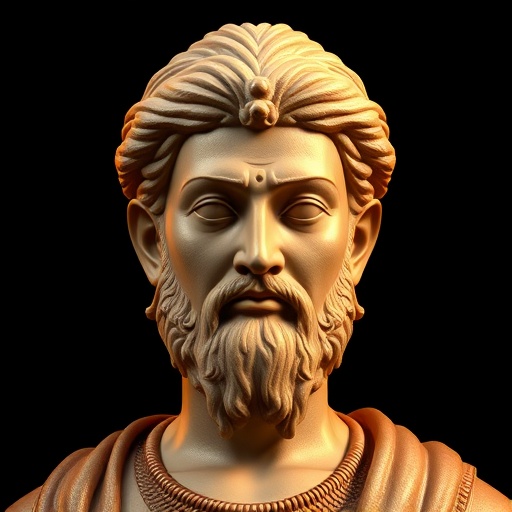
24th and last Tirthankara of Jainism, whose teachings of strict ahimsa (non-violence), aparigraha (non-attachment), and karma reshaped ancient Indian religion. Closely associated with The Buddha (near-contemporary moral revolutionary, also reacting against Vedic ritualism). For an intellectual contrast, see Vedic Brahmanical ritual sacrifice, the animal-sacrifice-centered Vedic religion of his era — Mahavira's ahimsa demanded total non-violence, including not eating root vegetables that kill the plant — a maximum-distance ethical move from the Vedic priestly tradition that ritually sacrificed cattle and horses. The two cleanest poles of ancient Indian religious ethics.
Found in 1 providers: grok
1 source checked
True spiritual discipline isn't about self-inflicted rituals or dramatic sacrifice. The highest form of inner strength is accepting unavoidable pain without resentment or complaint — staying mentally calm and even positive when life delivers hardship. Enduring suffering gracefully, rather than seeking to escape it, is itself the most demanding and meaningful form of spiritual practice a person can undertake.
Mahavira spent 12.5 years in extreme asceticism — pulling out his own hair by the roots, enduring harsh weather without shelter, going naked, and accepting beatings from villagers without retaliation. He bore these conditions not grimly but with deliberate equanimity. This quote is autobiographical: his entire path demonstrated that mental acceptance of suffering, not its external display, constitutes genuine spiritual achievement.
Sixth-century BCE India was saturated with competing ascetic traditions performing elaborate, often violent self-mortification — prolonged fasting, fire-walking, prolonged postures — to accumulate spiritual merit. Mahavira's teaching reframed tapas away from theatrical bodily punishment toward interior mental discipline. In a culture that equated visible suffering with piety, insisting that cheerful endurance outranked dramatic penance was a radical, countercultural position.
AI-generated insights based on extensive research and information for context. Factual errors? Email [email protected].
Your cart is empty