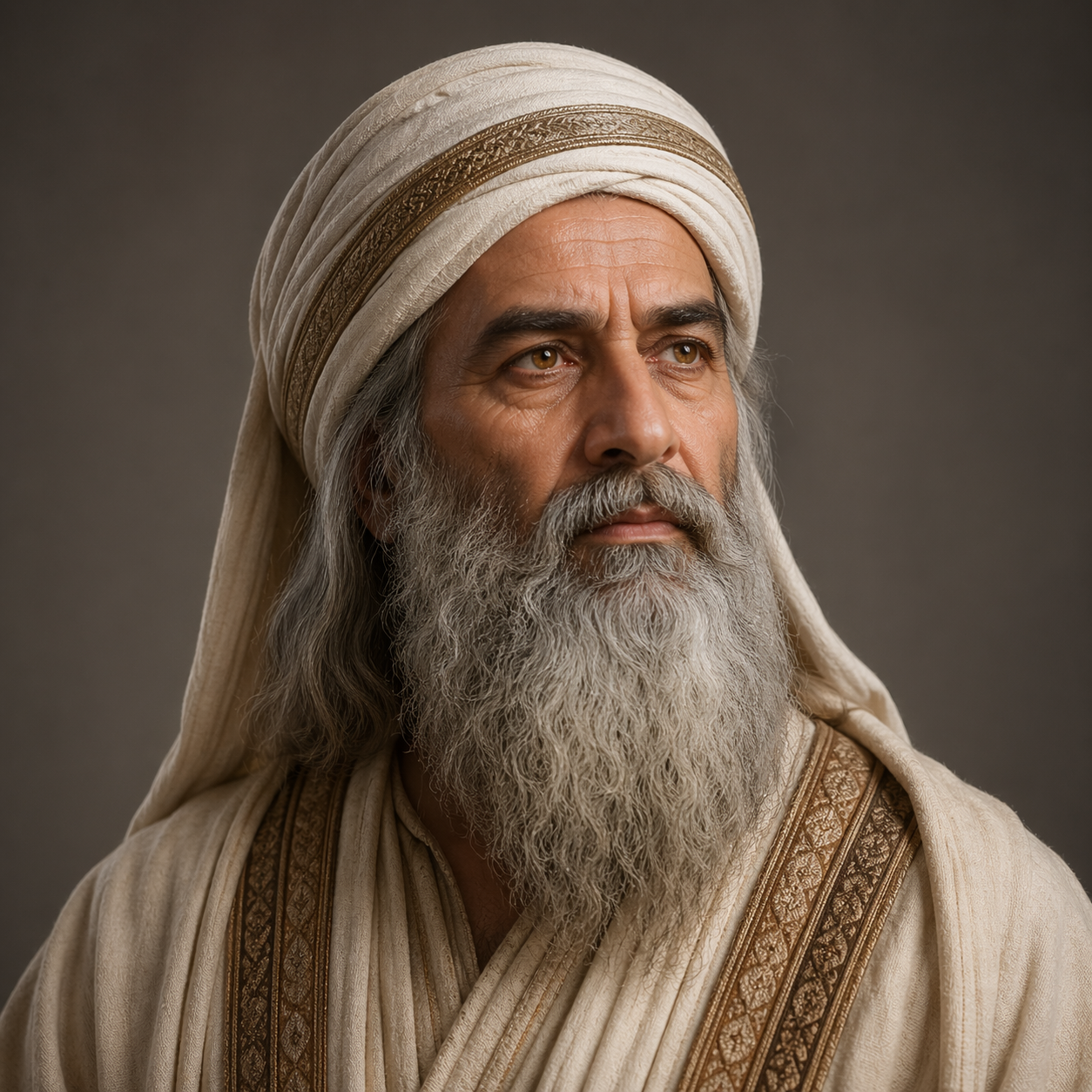
Zoroaster — "The joy of the wicked shall be turned into sorrow."
The joy of the wicked shall be turned into sorrow.
The joy of the wicked shall be turned into sorrow.
Click any product to generate a realistic preview. Up to 3 at a time.
* Initial load can take up to 90 seconds — revising the preview in another color is nearly instant.
"Tell me truly, O Ahura, who upholds the earth below and the heavens from falling? Who made the waters and the plants? Who yoked swiftness to the winds and clouds? Who is the creator of Good Thought, O…"
"To him who chooses me, I shall give as a reward the best of existence, but to him who does not choose me, I shall give the worst."
"The wicked shall be punished, but the righteous shall be rewarded."
"May we be those who shall heal this world."
"The resolute one who moved by the principles of Thy Faith Extends the prosperity of order to his neighbors. And works the land the evil now hold desolate, Earns through Righteousness, the Blessed Reco…"
Iranian prophet who founded Zoroastrianism, the first major religion of cosmic dualism between good (Ahura Mazda) and evil (Angra Mainyu). Closely associated with The Buddha (near-contemporary Eastern moral-cosmological revolutionary). For an intellectual contrast, see Friedrich Nietzsche, German philosopher of 'beyond good and evil' — Nietzsche appropriated Zarathustra's name for Thus Spoke Zarathustra (1883) precisely to invert the original's moral cosmology — the historical Zoroaster founded the good-versus-evil framework Nietzsche's character announces the end of.
Found in 1 providers: grok
1 source checked
Happiness built on harmful or dishonest actions will not last. People who gain pleasure through cruelty, deceit, or exploitation eventually face consequences that reverse their good fortune into suffering. The line warns that short-term satisfaction earned by hurting others is unstable ground. Whatever pleasure wickedness produces now will eventually collapse, leaving regret, loss, or punishment in its place. Moral accounts always settle.
Zoroaster taught a strict moral dualism between Asha (truth, order) and Druj (lie, chaos), insisting every person freely chooses sides and will be judged accordingly. As a reforming priest who broke with the older polytheistic cult, he preached personal accountability and a final reckoning at the Chinvat Bridge, where the wicked fall into torment. This saying compresses his central doctrine: evildoers may prosper briefly, but cosmic justice inevitably overturns their gains.
Zoroaster lived in ancient Iran, likely between 1500 and 1000 BCE, among pastoral Indo-Iranian tribes facing cattle raids, warlord violence, and ritualistic priestly abuses. Older religion justified plunder through sacrifices to war gods. Against this backdrop, his message that unjust winners would ultimately be punished was radical, offering herders and settled farmers hope that raiders and corrupt priests would not escape consequences. It introduced ethical monotheism and personal judgment into a largely amoral ritual culture.
AI-generated insights based on extensive research and information for context. Factual errors? Email [email protected].
Your cart is empty