Zoroaster — "Life is a journey, not a destination. And sometimes, the journey involves gettin…"
Life is a journey, not a destination. And sometimes, the journey involves getting really lost.
Life is a journey, not a destination. And sometimes, the journey involves getting really lost.
Click any product to generate a realistic preview. Up to 3 at a time.
* Initial load can take up to 90 seconds — revising the preview in another color is nearly instant.
"Anyone in the world here below can win purity for himself, namely, when he cleanses himself with Good Thoughts, Good Words, and Good Deeds."
"The Ox-soul lamented to you: 'For whom did you shape me? Who created me? Fury and violence oppress me, and cruelty and bondage.'"
"Excessive liberty and excessive servitude are equally dangerous, and produce nearly the same effect."
"Suffer no anxiety, for he who is a sufferer of anxiety becomes regardless of enjoyment of the world and the spirit, and contraction happens to his body and soul."
"The Lie is the source of all evil, the Truth is the source of all good."
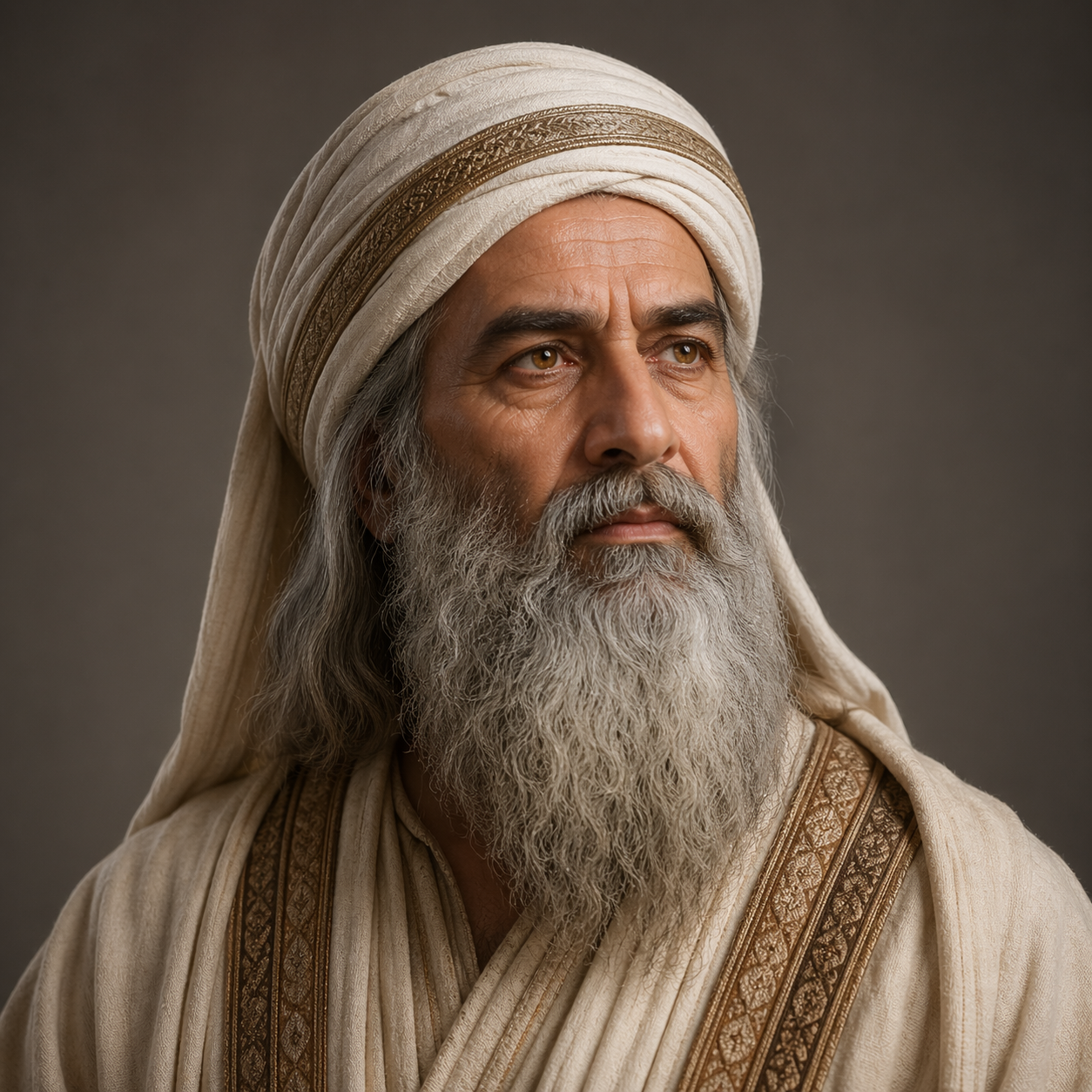
Iranian prophet who founded Zoroastrianism, the first major religion of cosmic dualism between good (Ahura Mazda) and evil (Angra Mainyu). Closely associated with The Buddha (near-contemporary Eastern moral-cosmological revolutionary). For an intellectual contrast, see Friedrich Nietzsche, German philosopher of 'beyond good and evil' — Nietzsche appropriated Zarathustra's name for Thus Spoke Zarathustra (1883) precisely to invert the original's moral cosmology — the historical Zoroaster founded the good-versus-evil framework Nietzsche's character announces the end of.
Found in 1 providers: grok
1 source checked
Life is best understood as an ongoing process of movement and growth rather than a fixed endpoint to be reached. The saying accepts that confusion, detours, and periods of feeling completely disoriented are normal parts of that process. Getting lost is not failure but part of traveling. Meaning comes from how a person moves through time, not from arriving somewhere final where everything is solved.
Zoroaster framed existence as a moral path where each soul walks through choices between truth (asha) and falsehood (druj). His teachings describe life as active travel across a metaphorical bridge toward judgment, making the journey metaphor central. As a reforming priest who broke from older polytheism, Zoroaster himself wandered and faced rejection for years before finding a royal patron, literally living a lost-and-searching journey.
Zoroaster lived in ancient Iran, likely between 1500 and 1000 BCE, among semi-nomadic Indo-Iranian tribes who physically migrated across the steppe. Religious life was dominated by ritualistic polytheism, cattle raiding, and warrior cults. His era was one of upheaval as settled agriculture spread, old clan structures strained, and people sought new ethical frameworks. A teaching that dignified wandering and struggle spoke directly to a culture still in motion.
AI-generated insights based on extensive research and information for context. Factual errors? Email [email protected].
Your cart is empty