Zoroaster — "The Ox-soul lamented to you: 'For whom did you shape me? Who created me? Fury an…"
The Ox-soul lamented to you: 'For whom did you shape me? Who created me? Fury and violence oppress me, and cruelty and bondage.'
The Ox-soul lamented to you: 'For whom did you shape me? Who created me? Fury and violence oppress me, and cruelty and bondage.'
Click any product to generate a realistic preview. Up to 3 at a time.
* Initial load can take up to 90 seconds — revising the preview in another color is nearly instant.
"False gods bring destruction, but the Wise Lord brings salvation."
"The soul of the righteous shall go to the Best Existence, the soul of the wicked to the Worst Existence."
"Whosoever, O Mazda, does not serve thee with the word, him I shall deliver into the hand of the wicked; for him shall be woe, and long punishment."
"Between these two, the demons have not chosen aright, for delusion came upon them as they consulted, so that they chose the worst thought."
"The reward for righteousness is not merely in the afterlife, but in the present moment through inner peace and joy."
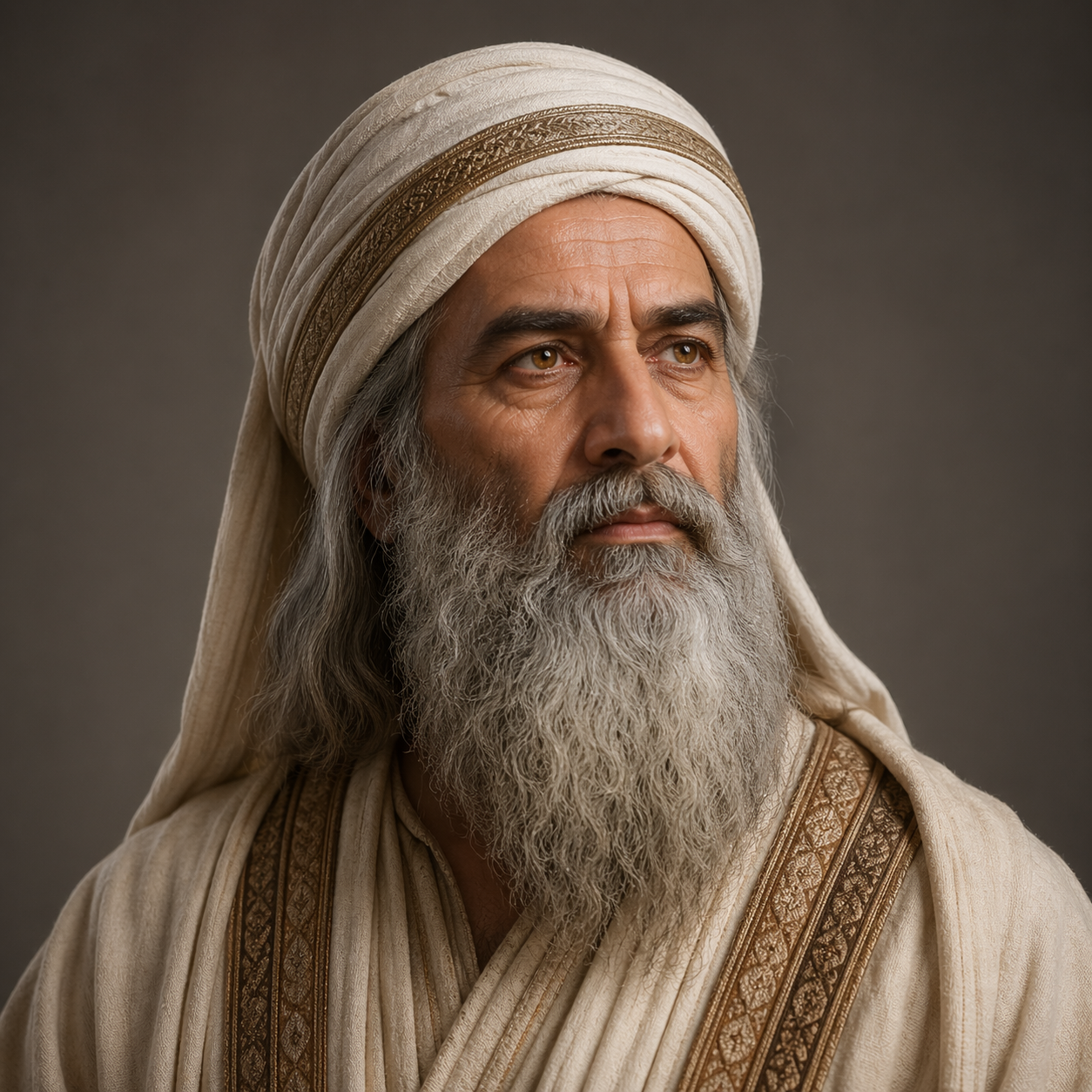
Iranian prophet who founded Zoroastrianism, the first major religion of cosmic dualism between good (Ahura Mazda) and evil (Angra Mainyu). Closely associated with The Buddha (near-contemporary Eastern moral-cosmological revolutionary). For an intellectual contrast, see Friedrich Nietzsche, German philosopher of 'beyond good and evil' — Nietzsche appropriated Zarathustra's name for Thus Spoke Zarathustra (1883) precisely to invert the original's moral cosmology — the historical Zoroaster founded the good-versus-evil framework Nietzsche's character announces the end of.
Found in 1 providers: deepseek
1 source checked
The soul of the cow cries out asking why it was created into a world of suffering. It is subjected to rage, aggression, cruelty, and enslavement by humans who treat it brutally. The animal demands to know the purpose of its existence when its life is filled only with pain inflicted by others, questioning the creator about the injustice of being made vulnerable to oppression without protection or dignity.
Zoroaster founded a faith centered on the cosmic struggle between truth (asha) and falsehood (druj), with deep concern for righteous treatment of cattle, which were sacred in his pastoral society. As a priest-prophet, he condemned raiders who stole and slaughtered livestock. This 'lament of the ox-soul' appears in his Gathas, reflecting his core conviction that violence against animals and peaceful herders violated divine order.
Zoroaster lived around 1500-1000 BCE on the Central Asian steppes, where settled cattle-herding communities were constantly raided by nomadic warrior bands who stole livestock and terrorized villages. Cattle were the economic and spiritual lifeblood of these pastoral peoples. Zoroaster's teachings emerged as a moral response to this chaos, demanding protection of productive, peaceful life against the cruelty of predatory raiders who glorified plunder and bloodshed.
AI-generated insights based on extensive research and information for context. Factual errors? Email [email protected].
Your cart is empty