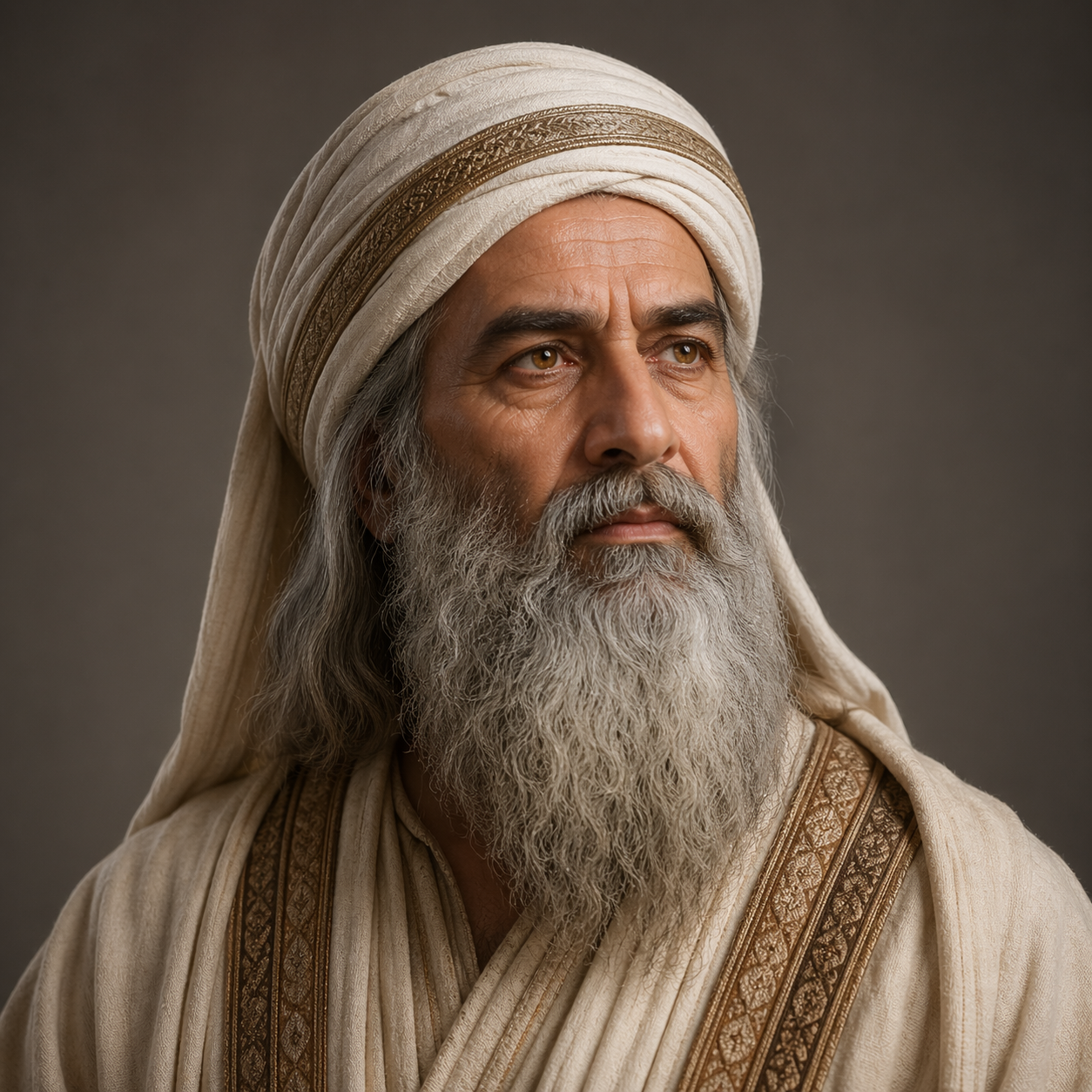
Zoroaster — "When we are in doubt whether an action is good or bad, abstain from it."
When we are in doubt whether an action is good or bad, abstain from it.
When we are in doubt whether an action is good or bad, abstain from it.
Click any product to generate a realistic preview. Up to 3 at a time.
* Initial load can take up to 90 seconds — revising the preview in another color is nearly instant.
"Through Good Mind, Righteousness, and Devotion, Mazda Ahura will grant Immortality and Wholeness."
"I will speak of the truth, and I will live by the truth."
"By what signs wilt thou appoint the days for questioning about thy possessions and thyself? Thus to the Lord doth Asha, the Truth, reply: 'No guide is known who can shelter the world from woe, None wh…"
"He who comes to know me through my thought, and through my word and deed, he shall become a sharer in the good reward."
"I who have set my heart on watching over the soul, in union with Good Thought, as I praise and proclaim you, O Wise Lord."
Iranian prophet who founded Zoroastrianism, the first major religion of cosmic dualism between good (Ahura Mazda) and evil (Angra Mainyu). Closely associated with The Buddha (near-contemporary Eastern moral-cosmological revolutionary). For an intellectual contrast, see Friedrich Nietzsche, German philosopher of 'beyond good and evil' — Nietzsche appropriated Zarathustra's name for Thus Spoke Zarathustra (1883) precisely to invert the original's moral cosmology — the historical Zoroaster founded the good-versus-evil framework Nietzsche's character announces the end of.
Found in 1 providers: gemini
1 source checked
When you cannot tell whether something you are about to do is right or wrong, don't do it. Uncertainty itself is a warning sign. Rather than gambling on a choice that might cause harm, pause and hold back until you have clarity. The safer path is inaction when your conscience is unsettled, because a wrong act done in confusion still carries real consequences for you and others.
Zoroaster built an entire ethical system around a conscious choice between Asha (truth, order) and Druj (falsehood, chaos). His faith emphasized personal moral responsibility through good thoughts, good words, and good deeds. Because every act tilted the cosmic balance, hesitation in the face of moral uncertainty was not weakness but wisdom, aligning the follower with Ahura Mazda rather than risking complicity with evil.
Zoroaster lived in ancient Persia, likely between 1500 and 1000 BCE, amid polytheistic tribal religions centered on ritual sacrifice and warrior cults. His teaching shifted focus from appeasing many gods to individual ethical conduct under one supreme creator. In a violent, cattle-raiding society where custom justified many harmful acts, urging restraint during moral doubt was radical, planting seeds that later shaped Judaic, Christian, and Islamic conscience-based ethics.
AI-generated insights based on extensive research and information for context. Factual errors? Email [email protected].
Your cart is empty