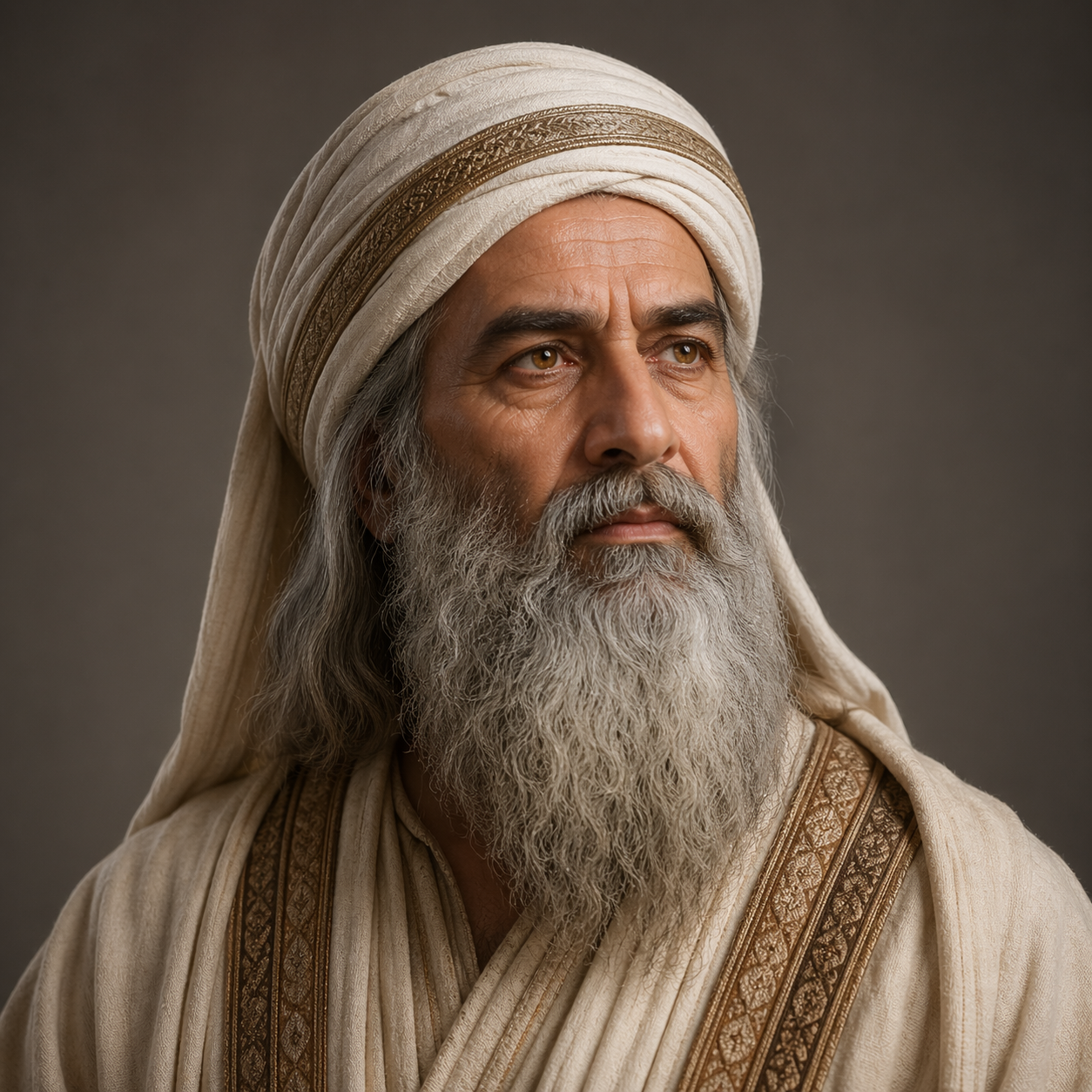
Zoroaster — "The best word is that which speaks of truth, the best deed is that which is done…"
The best word is that which speaks of truth, the best deed is that which is done for truth.
The best word is that which speaks of truth, the best deed is that which is done for truth.
Click any product to generate a realistic preview. Up to 3 at a time.
* Initial load can take up to 90 seconds — revising the preview in another color is nearly instant.
"I yearn to know the truth, O Ahura Mazda, and to live according to it."
"Anyone in the world here below can win purity for himself, namely, when he cleanses himself with Good Thoughts, Good Words, and Good Deeds."
"Life is a journey, not a destination. And sometimes, the journey involves getting really lost."
"There are two fundamental spirits, twins which in waking hours are heard, but in thought are not seen. They are the better and the bad. Of these two, the wise have chosen rightly, not so the foolish."
"The soul of the righteous shall be immortal, the soul of the wicked shall perish."
Iranian prophet who founded Zoroastrianism, the first major religion of cosmic dualism between good (Ahura Mazda) and evil (Angra Mainyu). Closely associated with The Buddha (near-contemporary Eastern moral-cosmological revolutionary). For an intellectual contrast, see Friedrich Nietzsche, German philosopher of 'beyond good and evil' — Nietzsche appropriated Zarathustra's name for Thus Spoke Zarathustra (1883) precisely to invert the original's moral cosmology — the historical Zoroaster founded the good-versus-evil framework Nietzsche's character announces the end of.
Found in 1 providers: grok
1 source checked
Words carry the most weight when they honestly describe reality, and actions matter most when they serve honesty rather than self-interest or deception. What you say should match what is real, and what you do should advance truthfulness in the world. Speaking and acting become meaningful only when aligned with accuracy and moral integrity, not when they flatter, manipulate, or advance private agendas at the expense of what is actually true.
Zoroaster built his entire religious system around asha, the cosmic principle of truth and right order, opposed to druj, the lie. As a prophet-reformer, he taught that humans earn salvation through good thoughts, good words, and good deeds, each measured by fidelity to truth. This saying compresses that triad into a single rule and mirrors his lifelong mission: replacing ritual deception and priestly corruption with an ethic centered on honest speech and truthful action.
Zoroaster lived in ancient Persia, likely between 1500 and 1000 BCE, among pastoral Iranian tribes whose polytheistic religion emphasized sacrifice, intoxicant rituals, and warrior raiding. Oral tradition dominated, so spoken words carried binding weight in oaths, contracts, and tribal justice. By elevating truthful speech and deed above ceremony, Zoroaster challenged a culture where priestly chants and bloody offerings were considered the highest piety, reframing morality around personal honesty rather than ritual performance.
AI-generated insights based on extensive research and information for context. Factual errors? Email [email protected].
Your cart is empty