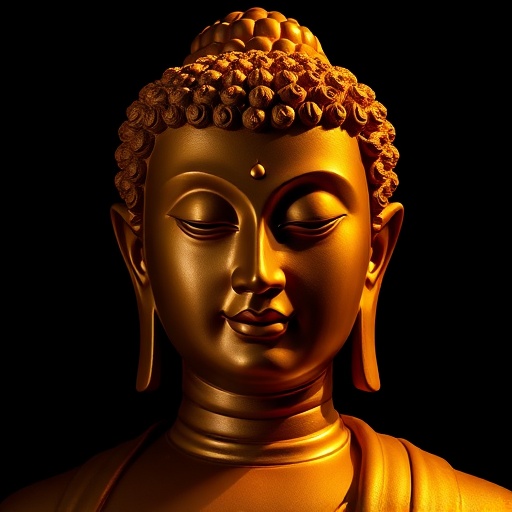
Siddhartha Gautama (Buddha) — "When you realize how perfect everything is, you will tilt your head back and lau…"
When you realize how perfect everything is, you will tilt your head back and laugh at the sky.
When you realize how perfect everything is, you will tilt your head back and laugh at the sky.
Click any product to generate a realistic preview. Up to 3 at a time.
* Initial load can take up to 90 seconds — revising the preview in another color is nearly instant.
"We are shaped by our thoughts; we become what we think."
"All conditioned things are impermanent — when one sees this with wisdom, then one turns away from suffering."
"Your worst enemy cannot harm you as much as your own unguarded thoughts."
"The wise ones who are intent on meditation, who delight in the peace of renunciation, such mindful ones, perfect in wisdom, collect like bees the nectar of flowers."
"What is the world? It is a fleeting show, a transient dream. What is life? It is a momentary flash, a passing shadow."
Often attributed, but the precise source in the Pali Canon is elusive. It reflects a sentiment of enlightenment.
Date: c. 5th century BCE
GeneralFound in 1 providers: grok
1 source checked
This saying points to a moment of awakening where acceptance replaces resistance. When you stop fighting reality and see that every event, flaw, and loss fits into a larger whole, the tension drops and joy bubbles up naturally. The laughter isn't mockery, it's relief, the kind that comes from realizing you were struggling against something that was already fine. Surrender becomes delight rather than defeat.
Siddhartha Gautama abandoned a royal palace, a wife, and a newborn son to seek the end of suffering, eventually reaching enlightenment under the Bodhi tree. His core teaching held that craving and resistance cause dukkha, and that seeing reality clearly dissolves that grip. The head-tilted laugh mirrors the serene smile attributed to him after awakening, when he reportedly saw the interdependent wholeness of existence and was moved to teach it.
Around the 5th century BCE in the Ganges plain, northern India churned with spiritual experimentation. Brahmin ritualism was being challenged by wandering shramanas, Jains, and skeptics debating karma, rebirth, and liberation. Kingdoms like Magadha were urbanizing, creating anxious merchant classes hungry for meaning beyond caste sacrifice. A teaching that located freedom in inner perception rather than priestly ceremony or ascetic self-torture landed powerfully, and Gautama's sangha spread rapidly through this receptive, questioning culture.
AI-generated insights based on extensive research and information for context. Factual errors? Email [email protected].
Your cart is empty