Martin Luther — "Why should the Devil have all the good tunes?"
Why should the Devil have all the good tunes?
Why should the Devil have all the good tunes?
Click any product to generate a realistic preview. Up to 3 at a time.
* Initial load can take up to 90 seconds — revising the preview in another color is nearly instant.
"I have had many struggles with the devil, and I know him well."
"This life therefore is not righteousness, but growth in righteousness, not health, but healing, not being but becoming, not rest but exercise. We are not yet what we shall be, but we are growing towar…"
"It was I, Martin Luther, who slew all the peasants in the insurrection, for I commanded them to be slaughtered. All their blood is upon my shoulders. But I cast it on our Lord God who commanded me to …"
"If we do [tolerate their conduct], we become sharers in their lies, cursing and blasphemy. Thus we cannot extinguish the unquenchable fire of divine wrath, of which the prophets speak, nor can we conv…"
"I am more afraid of my own heart than of the pope and all his cardinals."
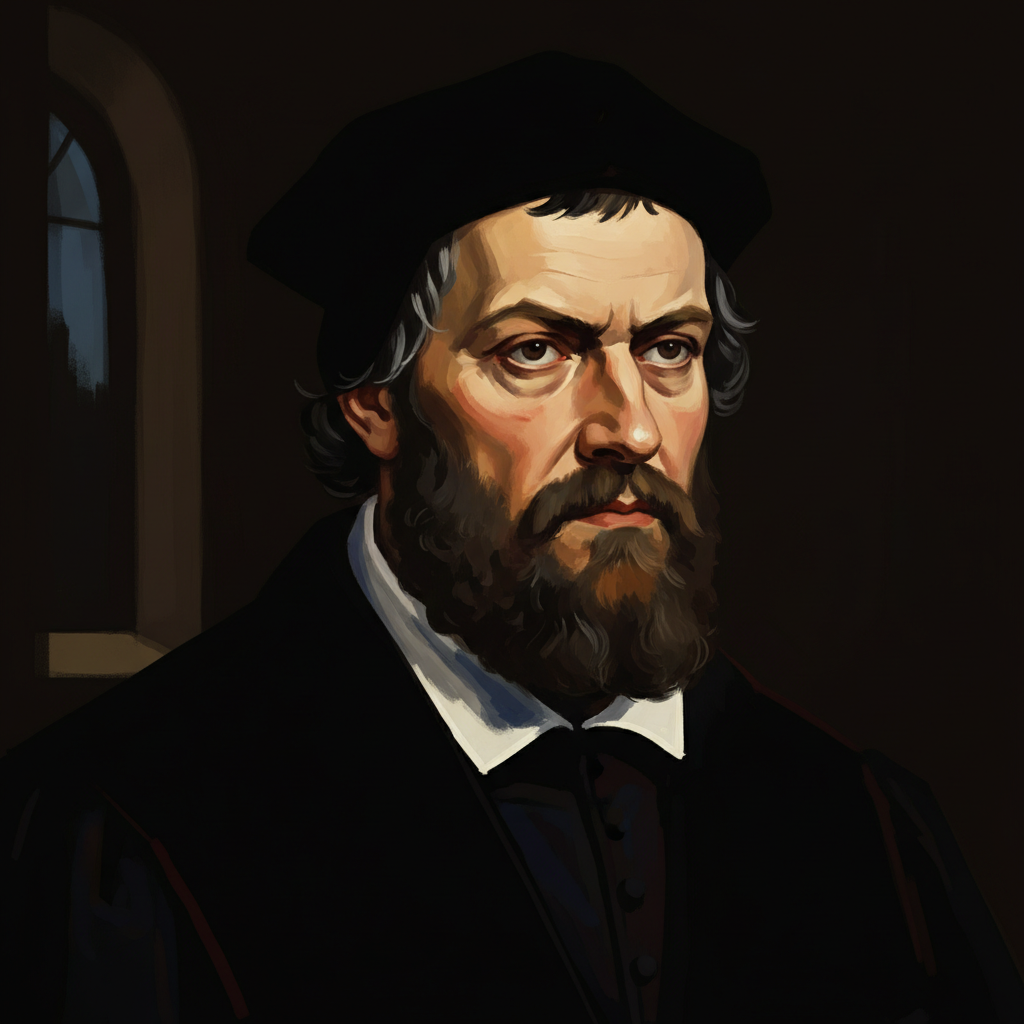
German theologian whose 95 Theses (1517) launched the Protestant Reformation and broke the Catholic Church's monopoly on Western Christianity. Closely associated with Philipp Melanchthon (Lutheran systematizer) and John Calvin (later Reformer who built on Luther's break). For an intellectual contrast, see Pope Leo X, Renaissance pope (1513-1521) — Leo X's indulgence sales triggered Luther's break and Leo excommunicated him in 1521 — Luther's entire Reformation is structured as a direct answer to the indulgence-funded Vatican Leo represented.
Attributed to him regarding the use of secular melodies for hymns.
Date: 1520s-1530s
Life & DeathFound in 1 providers: grok
1 source checked
Good music, art, and entertainment shouldn't be conceded to sinful or secular purposes while religious life gets stuck with dull, joyless alternatives. The sacred deserves beauty and appeal too. Take what works culturally, what moves people emotionally, and use it for higher ends rather than surrendering every catchy melody or compelling form to corruption, vice, or worldly distraction.
Luther was a trained musician who played lute and composed hymns like 'A Mighty Fortress Is Our God.' He deliberately set sacred lyrics to popular folk tunes and drinking-song melodies so ordinary Germans could sing theology in their own language. This quote captures his conviction that worship should be accessible, emotionally powerful, and musically rich, not restricted to Latin chant reserved for trained clergy.
In the early 1500s, Catholic worship music was Latin plainchant performed by clergy while congregations listened silently. Luther's Reformation pushed vernacular German hymns sung by everyone, fundamentally democratizing worship. The printing press spread his hymnals rapidly. Protestant reformers debated whether secular melodies corrupted sacred texts, but Luther argued music itself was a gift from God, and reclaiming popular tunes for faith was spiritual warfare against cultural surrender.
AI-generated insights based on extensive research and information for context. Factual errors? Email [email protected].
Your cart is empty