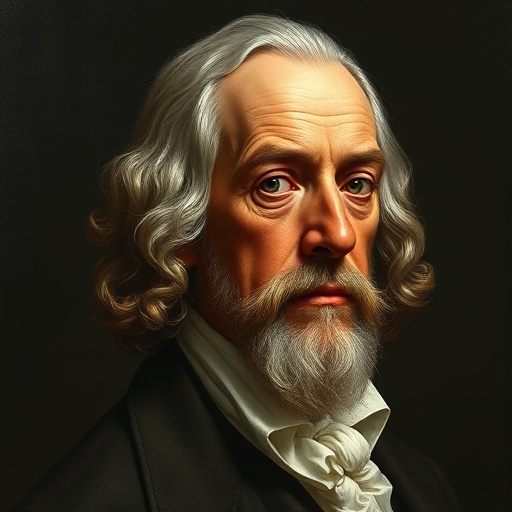
Adam Smith
Wealth of Nations, capitalism
Sayings by Adam Smith
It is not from the benevolence of the butcher, the brewer, or the baker that we expect our dinner, but from their regard to their own interest. We address ourselves, not to their humanity but to their self-love, and never talk to them of our own necessities but of their advantages.
The disposition to admire, and almost to worship, the rich and the powerful, and to despise, or at least to neglect, persons of poor and mean condition, though necessary both to establish and to maintain the distinction of ranks and the order of society, is, at the same time, the great and most universal cause of the corruption of our moral sentiments.
The government of an exclusive company of merchants is, perhaps, the worst of all governments for any country whatever.
To found a great empire for the sole purpose of raising up a people of customers, may at first sight appear a project fit only for a nation of shopkeepers. It is, however, a project altogether unfit for a nation of shopkeepers; but extremely fit for a nation whose government is influenced by shopkeepers.
The greatest improvement in the productive powers of labour, and the greater part of the skill, dexterity, and judgment with which it is any where directed, or applied, seem to have been the effects of the division of labour.
People of the same trade seldom meet together, even for merriment and diversion, but the conversation ends in a conspiracy against the public, or in some contrivance to raise prices.
Consumption is the sole end and purpose of all production; and the interest of the producer ought to be attended to, only so far as it may be necessary for promoting that of the consumer.
No society can surely be flourishing and happy, of which the far greater part of the members are poor and miserable.
The property which every man has in his own labour, as it is the original foundation of all other property, so it is the most sacred and inviolable.
The landlords, like all other men, love to reap where they never sowed, and demand a rent even for nature’s production.
The interest of the dealers, however, in any particular branch of trade or manufactures, is always in some respects different from, and even opposite to, that of the public.
The real recompence of labour, the real quantity of the necessaries and conveniencies of life which it can procure to the labourer, has, during the course of the present century, increased in a still greater proportion than its money price.
The desire of food is not to be gratified in order to obtain the regard of other people, but merely in order to appease the appetite.
Science is the great antidote to the poison of enthusiasm and superstition.
It is not very unreasonable that the rich should contribute to the public expense, not only in proportion to their revenue, but something more than in that proportion.
The education of the common people requires, perhaps, in a civilized and commercial society, the attention of the public more than that of people of some rank and fortune.
The greatest and most important branch of the commerce of every nation, is that which is carried on between the inhabitants of the town and those of the country.
The statesman who should attempt to direct private people in what manner they ought to employ their capitals, would not only load himself with a most unnecessary attention, but assume an authority which could safely be trusted, not only to no single person, but to no council or senate whatever, and which would no where be so dangerous as in the hands of a man who had folly and presumption enough to fancy himself fit to exercise it.
The difference between the most dissimilar characters, between a philosopher and a common street porter, for example, seems to arise not so much from nature, as from habit, custom, and education.
Justice, however, is the main pillar that upholds the whole edifice. If it is removed, the great, the immense fabric of human society, that fabric which to raise and support seems in this world, if I may say so, to have been the peculiar and darling care of nature, must in a moment crumble into atoms.