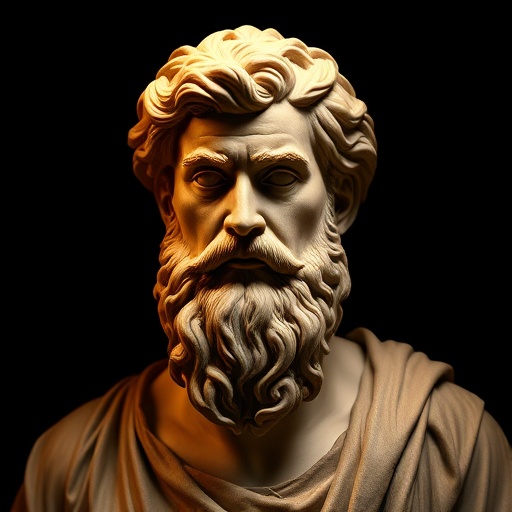
Epicurus
Epicurean philosophy
Sayings by Epicurus
The greatest wealth is contentment with a little.
We must release ourselves from the prison of business and politics.
The misfortune of the wise is better than the prosperity of the fool.
The pleasure of the soul is superior to that of the body.
The beginning and the root of all good is the pleasure of the stomach; even wisdom and culture must be referred to this.
He who is not satisfied with a little is satisfied with nothing.
No pleasure is a bad thing in itself; but the means by which certain pleasures are gained bring troubles many times greater than the pleasures.
The wise man, when he suffers, does not complain, but remedies the pain.
I was never anxious to please the mob, for I have not learned what pleases it.
The greatest disturbance of the soul is not pain, but the fear of pain.
It is better to lie on a humble pallet and be free from care than to own a golden bed and be full of trouble.
The man who says that all things are not possible to him is a fool.
The just man is most free from disturbance, while the unjust is full of the utmost disturbance.
To be happy, we must take care of our bodies and our souls.
Luxury and gluttony are not the path to pleasure, but moderation and self-sufficiency.
The man who is most blessed is he who has the fewest wants.
The greatest good is to be found in the prudent management of the good things of life.
We should rather laugh than weep at human life.
The wise man avoids pain, but does not seek pleasure.
The greatest power of all is to be able to live with little.