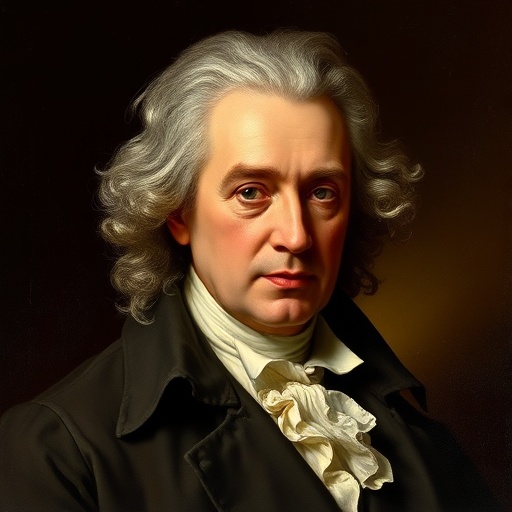
Johann Wolfgang von Goethe
Faust, German literature
Sayings by Johann Wolfgang von Goethe
Error is a part of the human, but lies are a disease of the will.
The best government is that which teaches us to govern ourselves.
One ought to be something in order to be able to do something.
Nothing is more terrible than ignorance in action.
The human mind will not be confined to any limits.
He who possesses art and science has religion; he who does not possess them, needs religion.
If you treat an individual as he is, he will remain as he is. But if you treat him as if he were what he ought to be and could be, he will become what he ought to be and could be.
A man can stand anything except a succession of ordinary days.
The coward only threatens when he is safe.
The greatest evil that can befall man is that he should come to think ill of himself.
Doubt grows with knowledge.
He who cannot give an account of three thousand years is lost in the darkness of inexperience.
Correction does much, but encouragement does more.
Every man has enough strength to endure the misfortunes of others.
Thinking is easy, acting is difficult, and to put one's thoughts into action is the most difficult thing in the world.
The man who is born with a talent which he is meant to use finds his greatest felicity in using it.
Character develops itself in the stream of life.
The human race is a monotonous affair.
Man is made to suffer. He is not a god, but a worm.
Talent develops in solitude, character in the stream of life.