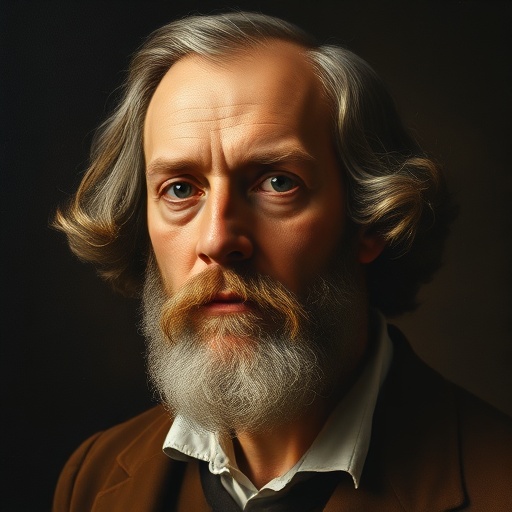
John Locke
Empiricism, natural rights
Sayings by John Locke
The end of government is the good of mankind.
The greatest part of mankind are more influenced by example than by precept.
To love truth for truth's sake is the principal part of human perfection in this world, and the seed-plot of all other virtues.
The Bible is one of the greatest blessings bestowed by God on the children of men.
It is ambition enough to be employed in the search of truth, without minding what follows.
Government has no other end but the preservation of property.
He who would make his son a good man, must begin betimes with him, and set him to rights, whilst he is flexible, and his mind is easy to be wrought upon.
The common people are not always to be trusted.
The knowledge of man's self is the beginning of all wisdom.
I have always thought that there is a good deal of cant in the common talk about the advantages of poverty.
The right of judging, that is, of determining all matters of controversy between subjects, whether they concern the interpretation of laws, or the examination of facts, belongs to the magistrate.
The care of our souls is not committed to the civil magistrate, any more than to other men.
The thoughts of a child are of so little consequence to the world, that it is no matter how incoherent they are.
He that will not apply new remedies must expect new evils; for time is the greatest innovator.
The commonwealth of learning is not at this time without a great many worthy members.
It is one thing to show a man that he is in error, and another to put him in possession of the truth.
The greatest part of our knowledge is founded on observation and experience.
The study of the original of our own ideas is, I confess, a dry and barren speculation.
There is no such thing as an innate idea.
The mind receives a great variety of impressions, and is capable of an infinite variety of thoughts.