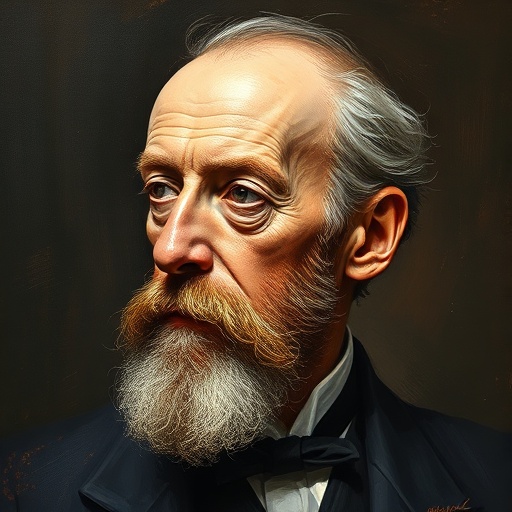
John Stuart Mill
Utilitarianism, liberty
Sayings by John Stuart Mill
A party of order or stability, and a party of progress or reform, are both necessary elements of a healthy state of political life.
The strongest argument for representative government is, that it is a security for good government.
The grand, leading principle, towards which every argument unfolded in these pages directly converges, is the absolute and essential importance of human development in its richest diversity.
The initiation of all wise or noble things, comes and must come from individuals; generally at first from some one individual.
Despotism is a legitimate mode of government in dealing with barbarians, provided the end be their improvement, and the means justified by actually effecting that end.
The human faculties of perception, judgment, discriminative feeling, mental activity, and even moral preference, are exercised only in making a choice.
It is not the business of the law to make people good, but to prevent them from doing harm.
The greatest happiness principle holds that actions are right in proportion as they tend to promote happiness, wrong as they tend to produce the reverse of happiness.
He who lets the world, or his own portion of it, choose his plan of life for him, has no need of any other faculty than the ape-like one of imitation.
The only freedom, therefore, which is of real value, is that of pursuing our own good in our own way.
The true and proper object of a free government is the greatest happiness of the greatest number.
The government of a people by itself has a meaning and a reality, but only when the 'itself' is composed of all the people, and the 'government' is the government of all by all.
All errors which are likely to do harm, are the proper objects of animadversion, and may be justly censured.
The sole end for which mankind are warranted, individually or collectively, in interfering with the liberty of action of any of their number, is self-protection.
The liberty of the individual must be thus far limited; he must not make himself a nuisance to other people.
The only freedom, which consists in doing what one likes, is that of doing what one ought to like.
The great mass of changes are improvements, because the old system was bad.
It is not because men's desires are strong that they act ill; it is because their consciences are weak.
The greatest good for the greatest number is the measure of right and wrong.
The only freedom, which is of real value, is that of pursuing our own good in our own way, without reference to the opinions of others.