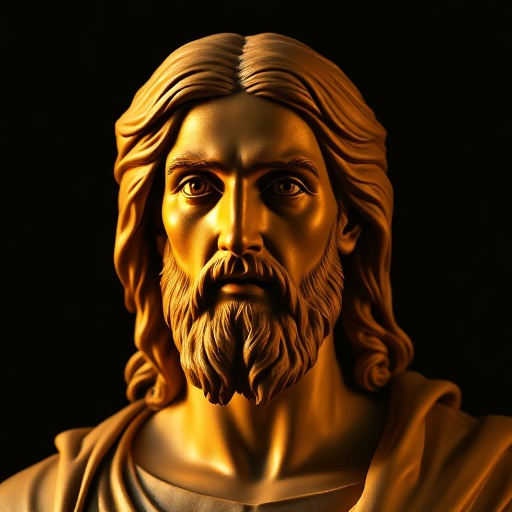
Jesus Christ — "And do not fear those who kill the body but cannot kill the soul. Rather fear hi…"
And do not fear those who kill the body but cannot kill the soul. Rather fear him who can destroy both soul and body in hell.
And do not fear those who kill the body but cannot kill the soul. Rather fear him who can destroy both soul and body in hell.
Click any product to generate a realistic preview. Up to 3 at a time.
* Initial load can take up to 90 seconds — revising the preview in another color is nearly instant.
"Truly, I say to you, it will be more bearable on the day of judgment for the land of Sodom and Gomorrah than for that town."
"Everyone who practices sin is a slave to sin."
"Love your enemies and pray for those who persecute you."
"For many are invited, but few are chosen."
"Truly I tell you, unless you change and become like little children, you will never enter the kingdom of heaven."
Found in 2 providers: gemini,grok
2 sources checked
Don't let fear of physical harm or death control your decisions. People can only hurt your body, which is temporary anyway. The real concern should be your ultimate spiritual fate, which is determined by a higher power. In other words, keep your priorities straight: short-term physical threats matter far less than long-term spiritual consequences, so act on your convictions without being paralyzed by what others can do to you physically.
Jesus said this while sending his disciples out knowing they would face persecution, arrest, and execution for preaching his message. He himself would be crucified within a few years, modeling the principle by choosing death rather than abandoning his mission. His core teaching consistently placed eternal stakes above worldly ones, and he framed God, not Rome or religious authorities, as the ultimate judge that actually mattered.
First-century Judea sat under Roman occupation, where crucifixion, flogging, and execution were routine tools for silencing dissent. Jewish religious authorities could also expel people from synagogues, destroying their social and economic life. Early followers of Jesus faced very real threats from both powers. Teachings about an afterlife and final judgment were actively debated between Pharisees and Sadducees, so framing God as the one who controls eternal destiny was a pointed theological stance, not abstract philosophy.
AI-generated insights based on extensive research and information for context. Factual errors? Email [email protected].
Your cart is empty