Pope Francis — "The Lord always forgives, always. It is we who get tired of asking for forgivene…"
The Lord always forgives, always. It is we who get tired of asking for forgiveness.
The Lord always forgives, always. It is we who get tired of asking for forgiveness.
Click any product to generate a realistic preview. Up to 3 at a time.
* Initial load can take up to 90 seconds — revising the preview in another color is nearly instant.
"The Lord is a good cook. He always prepares good food for us."
"Be careful, the devil also knocks at the door. He knocks at the door of your heart. He knocks at the door of your mind. He knocks at the door of your soul."
"The greatest danger is not sin, but rather spiritual comfort, the temptation to live a comfortable life, a tranquil life, a life where everything is in order."
"The greatest scandal is poverty."
"I'm a sinner."
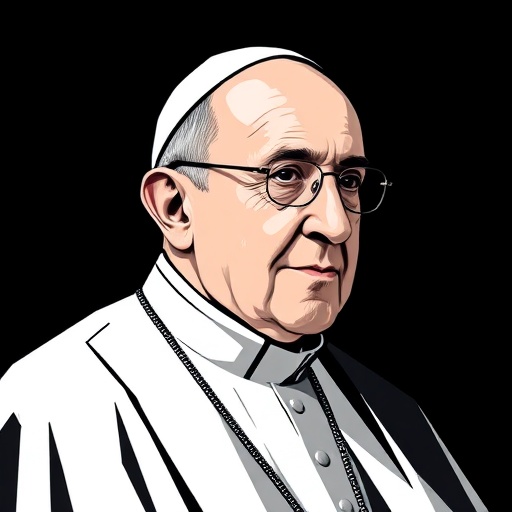
First Latin American and Jesuit pope (2013-), who has steered the Catholic Church toward pastoral inclusion on LGBTQ pastoral care, divorced Catholics, and climate. Closely associated with Pope John XXIII (the Vatican II reformer pope) and Cardinal Walter Kasper (his theological ally on pastoral reform). For an intellectual contrast, see Cardinal Raymond Burke, American traditionalist cardinal, former head of the Vatican Apostolic Signatura — Burke is the public face of Catholic traditionalism that views Francis's pastoral approach as doctrinally dangerous — he has formally challenged Amoris Laetitia and other Francis reforms.
Found in 1 providers: grok
1 source checked
Divine mercy is limitless and unconditional—God never reaches a threshold where forgiveness runs out. The real obstacle is entirely human: we grow weary, ashamed, or cynical and stop returning to ask. The quote reframes the problem of sin away from God's willingness to pardon and toward our own spiritual fatigue or pride that prevents us from humbling ourselves repeatedly. The limitation, always, is ours.
Pope Francis, born Jorge Mario Bergoglio in Buenos Aires, made mercy the cornerstone of his papacy. He declared an extraordinary Jubilee of Mercy in 2015, wrote Amoris Laetitia emphasizing pastoral compassion over rigid rule enforcement, and publicly admits he confesses regularly himself. His Jesuit formation—centered on discernment, humility, and spiritual exercises—shaped this theology directly. He famously called the Church a field hospital, not a fortress of judgment.
Francis became pope in 2013, inheriting a Church battered by clerical abuse scandals, financial corruption, and rapid secularization across Western nations. Millions had left organized religion feeling condemned rather than welcomed. His mercy-centered message directly countered that perception. Simultaneously, digital culture intensified public shaming cycles, making forgiveness newly urgent. His papacy also coincided with global migration crises and inequality debates, amplifying compassion as both a spiritual and social imperative.
AI-generated insights based on extensive research and information for context. Factual errors? Email [email protected].
Your cart is empty