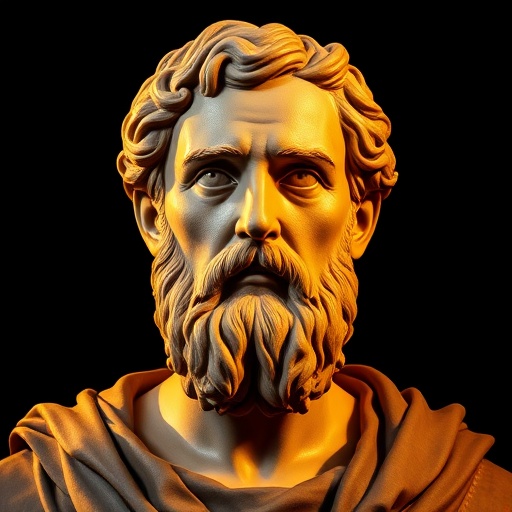
Saint Paul — "For I am jealous over you with godly jealousy: for I have espoused you to one hu…"
For I am jealous over you with godly jealousy: for I have espoused you to one husband, that I may present you as a chaste virgin to Christ.
For I am jealous over you with godly jealousy: for I have espoused you to one husband, that I may present you as a chaste virgin to Christ.
Click any product to generate a realistic preview. Up to 3 at a time.
* Initial load can take up to 90 seconds — revising the preview in another color is nearly instant.
"For we are not as many, which corrupt the word of God: but as of sincerity, but as of God, in the sight of God speak we in Christ."
"For the message of the cross is foolishness to those who are perishing, but to us who are being saved it is the power of God."
"Do not be deceived: ‘Bad company ruins good morals.’"
"For we wrestle not against flesh and blood, but against principalities, against powers, against the rulers of the darkness of this world, against spiritual wickedness in high places."
"But I keep under my body, and bring it into subjection: lest that by any means, when I have preached to others, I myself should be a castaway."
2 Corinthians 11:2, on his spiritual jealousy for the Corinthians
Date: c. 55-58 CE
Love & RelationshipsFound in 2 providers: gemini,grok
2 sources checked
Paul expresses a protective, God-motivated concern for the Corinthian believers, comparing himself to a father who has arranged his daughter's engagement. He wants to keep the community spiritually faithful and pure until they are united with Christ. His jealousy is not selfish possessiveness but worry that false teachers will seduce them away from the genuine gospel message he delivered.
Paul founded the Corinthian church around 50-51 CE and felt deep responsibility for its spiritual integrity. A former Pharisee trained under Gamaliel, he guarded doctrinal purity fiercely. The marriage metaphor fits his rabbinic background, where Israel was God's bride. As a lifelong celibate apostle, he used betrothal imagery theologically, seeing himself as matchmaker between converts and Christ rather than claiming them personally.
In first-century Corinth, fathers arranged betrothals and guarded daughters' virginity as family honor; a broken engagement shamed everyone. Paul wrote around 55-56 CE while rival 'super-apostles' were infiltrating the church with alternative teachings. Greco-Roman Corinth was notorious for sexual license and competing mystery religions, so purity imagery carried weight. The betrothal-then-wedding custom, with a waiting period between, mirrored the church awaiting Christ's return.
AI-generated insights based on extensive research and information for context. Factual errors? Email [email protected].
Your cart is empty