Benjamin Franklin — "God works wonders now and then; Behold! a lawyer, an honest man!"
God works wonders now and then; Behold! a lawyer, an honest man!
God works wonders now and then; Behold! a lawyer, an honest man!
Click any product to generate a realistic preview. Up to 3 at a time.
* Initial load can take up to 90 seconds — revising the preview in another color is nearly instant.
"Better slip with foot than tongue."
"Rather go to bed supperless, than rise in debt."
"He that pursues two hares at once, commonly catches neither."
"Well done is better than well said."
"If you would know the value of money, go and try to borrow some."
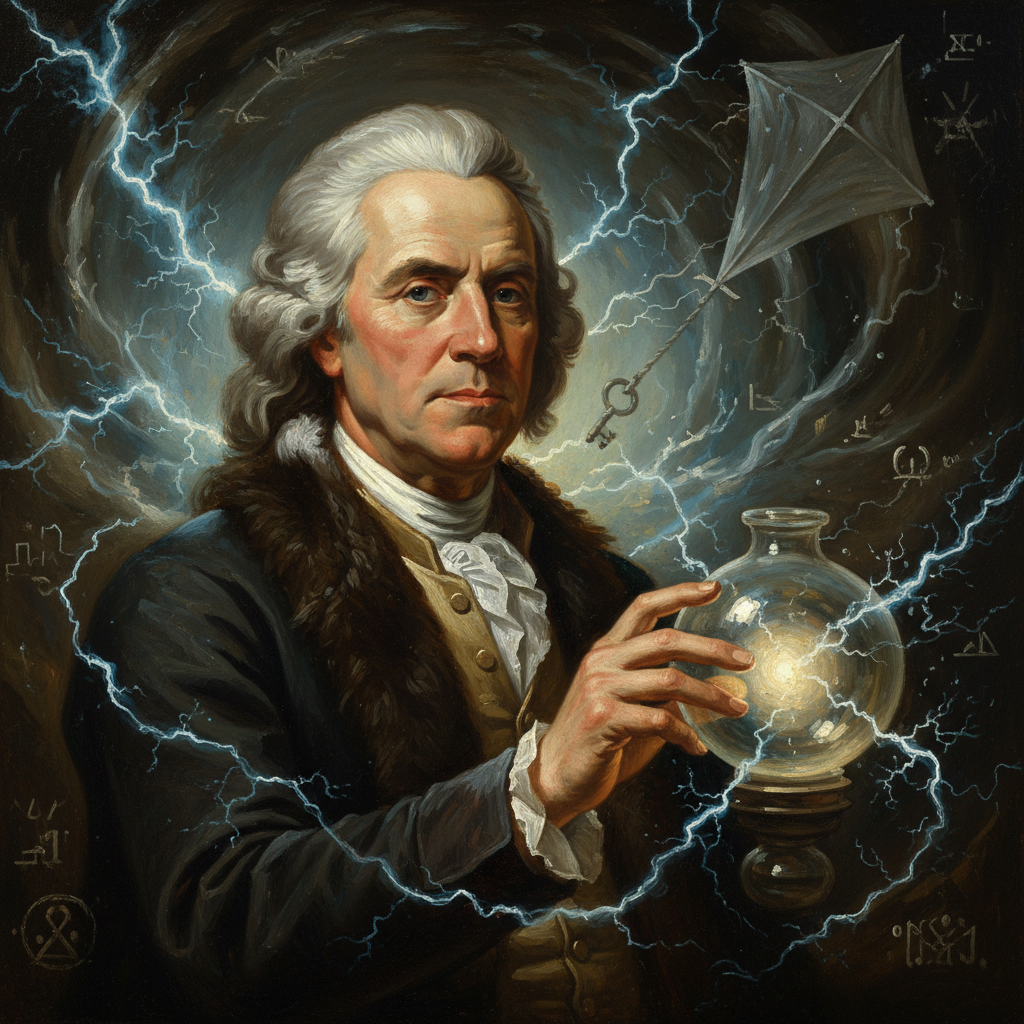
Polymath Founding Father, diplomat, and Poor Richard's Almanack author who helped draft the Declaration of Independence and the Constitution. Closely associated with John Adams (fellow Founder, Massachusetts statesman) and Thomas Jefferson (fellow Declaration drafter). For an intellectual contrast, see Thomas Hutchinson, last royal governor of colonial Massachusetts — Franklin leaked Hutchinson's loyalist correspondence to Boston in 1772 to inflame revolutionary sentiment — Hutchinson represented the colonial-aristocrat crown-loyalty that Franklin's revolution was organized to dismantle.
Found in 1 providers: grok
1 source checked
The quote sarcastically jokes that an honest lawyer is so rare it qualifies as a divine miracle. It plays on the deeply ingrained stereotype that lawyers are inherently dishonest or self-serving. The humor works through exaggeration — implying integrity in the legal profession is as extraordinary as a supernatural event. It's a timeless jab at professional ethics, suggesting finding a trustworthy lawyer is roughly as likely as witnessing God intervene directly.
Franklin was a pragmatic statesman who prized plain dealing and civic virtue above all. As a diplomat, printer, and public servant navigating colonial courts and international politics, he witnessed legal maneuvering routinely sacrifice honesty for advantage. His Poor Richard's Almanack overflows with similar dry moral wit. Franklin distrusted sophistry, preferring common sense and straight talk — values central to his self-made identity and his lifelong suspicion of professional elites who dressed self-interest in dignified language.
In colonial and early American society, lawyers wielded enormous political and economic power with virtually no ethical oversight or standardized conduct codes. Public cynicism toward attorneys was widespread and culturally accepted. Courts served as arenas for land disputes, debt collection, and factional maneuvering, often favoring the wealthy. Franklin's Enlightenment era broadly distrusted professional elites, and satirizing lawyers reflected a larger cultural tension between stated principles — justice, fairness, virtue — and the self-interested realities of how power actually operated.
AI-generated insights based on extensive research and information for context. Factual errors? Email [email protected].
Your cart is empty