What it means
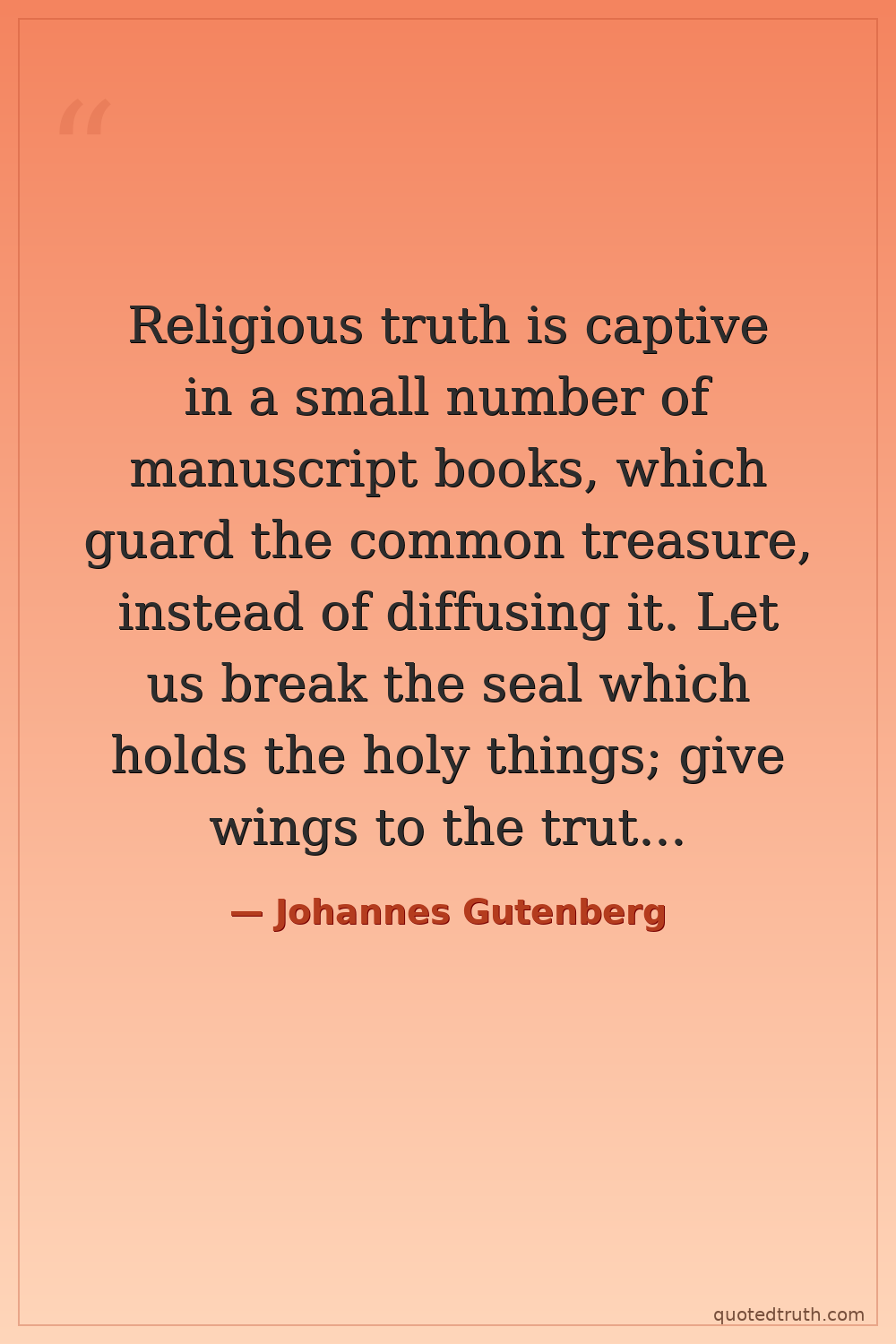
Sacred knowledge is locked away in rare, expensive manuscripts accessible only to a privileged few. We must liberate truth by making it reproducible at scale, so that ideas and holy wisdom can spread freely to every person alive, regardless of wealth or status, instead of remaining hoarded by institutions.
Relevance to Johannes Gutenberg
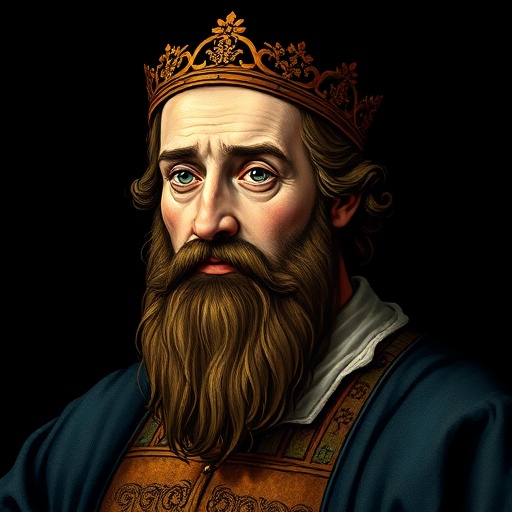
Gutenberg invented the movable-type printing press around 1440, directly embodying this vision. His Gutenberg Bible was among the first major printed books, deliberately mass-producing scripture. His life's work was literally breaking the manuscript monopoly held by scribes and the Church, making books affordable and knowledge accessible across Europe.
The era
In 15th-century Europe, books were hand-copied by monastic scribes, costing fortunes and taking months. Literacy was rare; the Church controlled theological knowledge. The Renaissance was stirring intellectual hunger, but information moved at a crawl. Gutenberg's press arrived precisely when Europe was ready to question institutional gatekeeping of knowledge and scripture.
AI-generated insights based on extensive research and information for context. Factual errors? Email [email protected].