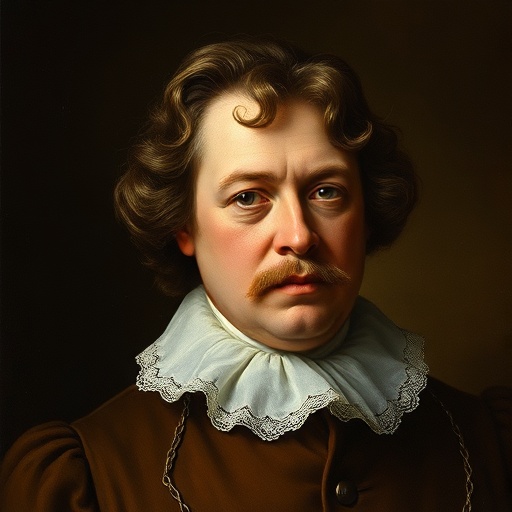
Edward Jenner — "The most beautiful flowers are often found in the most obscure places."
The most beautiful flowers are often found in the most obscure places.
The most beautiful flowers are often found in the most obscure places.
Click any product to generate a realistic preview. Up to 3 at a time.
* Initial load can take up to 90 seconds — revising the preview in another color is nearly instant.
"This Inquiry will lay all those troublesome ghosts which have so long haunted the Metropolis with their ox-faces, & dismal hootings against Vaccination. However, tis all for the best – you may depend …"
"The path of discovery is not a smooth one; it is often beset with difficulties and discouragements."
"I have always been an advocate for public health, and I have always endeavoured to promote it."
"...has effectually put a stop to the sneers of those little minded persons who think everything impossible which does not come within the narrow sphere of their own comprehension."
"I shall endeavor still further to prosecute this inquiry, an inquiry I trust not merely speculative, but of sufficient moment to inspire the pleasing hope of its becoming essentially beneficial to man…"
Found in 1 providers: grok
1 source checked
Extraordinary value and beauty are often found in unexpected, overlooked places rather than obvious or prestigious ones. The most profound truths don't announce themselves — they hide in humble, neglected corners. This is a reminder to look carefully at what others dismiss, to resist the pull toward the obvious, and to recognize that significance rarely telegraphs itself through grandeur or circumstance.
Jenner was a rural country doctor in Berkeley, Gloucestershire, not a London academic. His vaccine discovery came from observing milkmaids — humble workers who caught cowpox and appeared immune to smallpox. This breakthrough emerged from a folk observation dismissed by the medical establishment. His genius was recognizing the profound in the overlooked. His life's work literally proved that the most transformative medical discovery of his era hid in the most ordinary, unglamorous corner of rural English life.
In the late 18th century, smallpox killed roughly 400,000 Europeans annually, disfiguring millions more. The Enlightenment drove scientific inquiry, but medical authority resided with urban physicians and royal colleges — rural observations were dismissed as folklore. Germ theory didn't exist and inoculation was controversial. Jenner's era defined expertise by institution and social rank, not curiosity. His discovery challenged that hierarchy, proving provincial observation and humble agricultural workers held the key to defeating Europe's most feared disease.
AI-generated insights based on extensive research and information for context. Factual errors? Email [email protected].
Your cart is empty