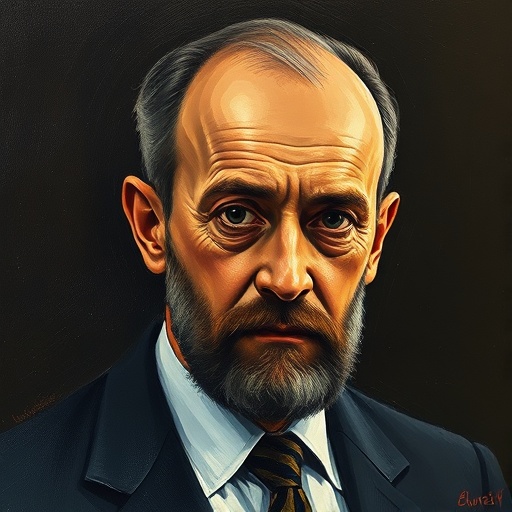
Enrico Fermi — "Don't ever tell anybody anything, or you'll never get anything done."
Don't ever tell anybody anything, or you'll never get anything done.
Don't ever tell anybody anything, or you'll never get anything done.
Click any product to generate a realistic preview. Up to 3 at a time.
* Initial load can take up to 90 seconds — revising the preview in another color is nearly instant.
"Never underestimate the joy people derive from hearing something they already know."
"When we were working on the atomic bomb, we knew that we were doing something that would change the world forever."
"I am a simple man, and I like simple explanations."
"I believe that the future of humanity depends on our ability to control the forces that we have unleashed."
"I remember my friend Johnny von Neumann used to say, 'with four parameters I can fit an elephant and with five I can make him wiggle his trunk.'"
Quoted by J. Robert Oppenheimer about Fermi's approach to the Manhattan Project
Date: 1940s
WisdomFound in 1 providers: grok
1 source checked
Sharing information creates obligations: follow-up questions, explanations, debates, and social entanglements that eat time and focus. The productive person guards their mental bandwidth by keeping plans private until execution is complete. Talk is the enemy of output — the moment you announce something, you're managing other people's reactions instead of doing the work itself.
Fermi was legendarily productive precisely because he was action-oriented over theoretical. He built the first nuclear reactor in a squash court under the University of Chicago stands, largely through relentless hands-on work. The Manhattan Project demanded strict compartmentalization — sharing information was literally forbidden. Fermi thrived in that culture, favoring rapid back-of-envelope estimates and immediate experimentation over prolonged discussion.
The 1940s Manhattan Project imposed extreme information compartmentalization — scientists were told only what their specific role required. This wartime secrecy culture shaped Fermi's entire professional peak. Simultaneously, postwar physics became intensely competitive as the US and USSR raced for nuclear supremacy, making discretion both a patriotic duty and a strategic professional advantage for leading physicists of his generation.
AI-generated insights based on extensive research and information for context. Factual errors? Email [email protected].
Your cart is empty