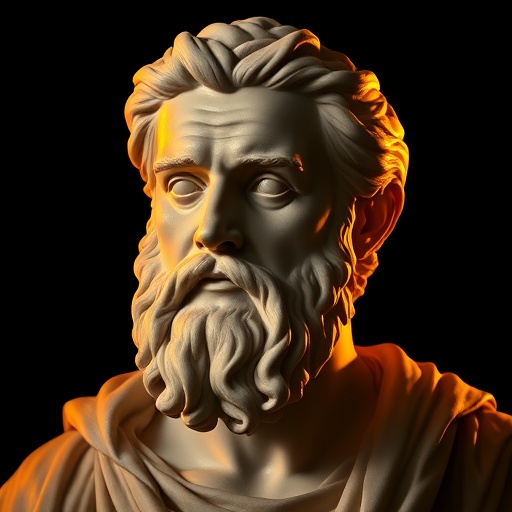
Hippocrates — "The art of medicine consists in amusing the patient while nature cures the disea…"
The art of medicine consists in amusing the patient while nature cures the disease.
The art of medicine consists in amusing the patient while nature cures the disease.
Click any product to generate a realistic preview. Up to 3 at a time.
* Initial load can take up to 90 seconds — revising the preview in another color is nearly instant.
"The love of humanity is the basis of medicine."
"Before you heal someone, ask him if he's willing to give up the things that make him sick."
"To eat when you are sick, is to feed your sickness."
"When a fever is present, the bowels should be loose; when absent, they should be costive."
"The powers of the elements are shown in the seasons."
A somewhat cynical, yet perhaps realistic, view of the physician's role.
Date: c. 460-370 BCE
Art & CreativityFound in 2 providers: gemini,grok
2 sources checked
Doctors often do little more than keep patients comfortable and distracted while the body heals itself. Real recovery comes from the body's own processes, not intervention. The physician's role is supportive rather than curative — managing symptoms, offering reassurance, and buying time for natural biological repair to do its actual work.
Hippocrates established medicine as a rational discipline separate from superstition, grounding it in observation of natural processes. He documented how the body tends toward self-correction, a concept he called 'vis medicatrix naturae.' This quote reflects his lifelong insistence that physicians should work with nature, not override it, and avoid harmful treatments when watchful waiting suffices.
In ancient Greece, medicine competed with temple priests offering divine cures and folk healers peddling remedies. Hippocrates practiced around 400 BCE when bloodletting, purging, and ritual sacrifice were common treatments. His restraint-focused approach was radical — trusting observation over intervention at a time when aggressive, often lethal treatments were standard medical practice across Greek and neighboring cultures.
AI-generated insights based on extensive research and information for context. Factual errors? Email [email protected].
Your cart is empty