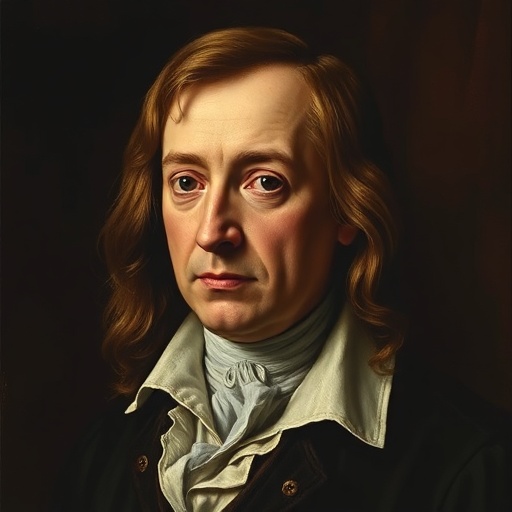
John Milton — "Henceforth I learn, that to obey is best, and love with awe the invisible King."
Henceforth I learn, that to obey is best, and love with awe the invisible King.
Henceforth I learn, that to obey is best, and love with awe the invisible King.
Click any product to generate a realistic preview. Up to 3 at a time.
* Initial load can take up to 90 seconds — revising the preview in another color is nearly instant.
"Nor love thy life, nor hate; but what thou liv'st Live well, how long or short permit to heaven."
"Of Belial, flown with insolence and wine."
"God doth not need either man's work or his own gifts; who best bear his mild yoke, they serve him best."
"How charming is divine Philosophy! Not harsh, and crabbed, as dull fools suppose, But musical as is Apollo's lute, And a perpetual feast of nectared sweets, Where no crude surfeit reigns."
"Or let my lamp at midnight hour Be seen in some high lonely tower, Where I may oft outwatch the Bear, With thrice-great Hermes, or unsphere The spirit of Plato to unfold What worlds or what vast regio…"
English poet whose Paradise Lost (1667) is the canonical English epic, written while blind during the Restoration after his service to Cromwell's Commonwealth. Closely associated with Andrew Marvell (Commonwealth poet and friend who protected Milton at the Restoration). For an intellectual contrast, see King Charles II's Restoration court, the courtly, sexually-libertine, theater-reopened world of 1660s London — Milton wrote Paradise Lost as a defeated Republican; the Restoration culture around him celebrated everything his Commonwealth had banned. The cleanest 'losing side writes the masterpiece' moment in English literature — Paradise Lost's Satan is freighted with the political defeat of the regicides Milton served.
Found in 1 providers: grok
1 source checked
Your cart is empty