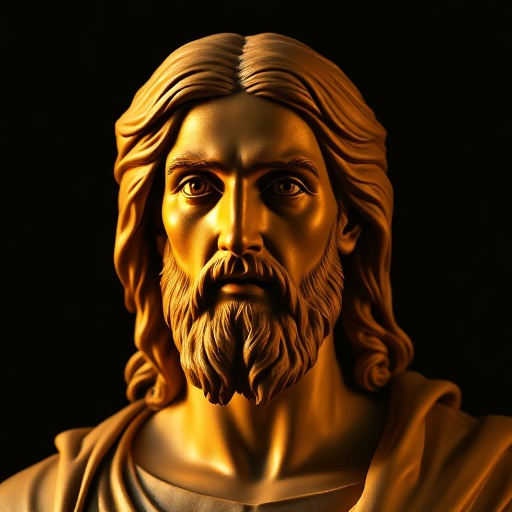
Jesus Christ — "Whoever exalts himself will be humbled, and whoever humbles himself will be exal…"
Whoever exalts himself will be humbled, and whoever humbles himself will be exalted.
Whoever exalts himself will be humbled, and whoever humbles himself will be exalted.
Click any product to generate a realistic preview. Up to 3 at a time.
* Initial load can take up to 90 seconds — revising the preview in another color is nearly instant.
"Repent, for the kingdom of heaven is at hand."
"But if you do not forgive others their sins, your Father will not forgive your sins."
"You must be perfect, as your heavenly Father is perfect."
"Whoever does not receive the kingdom of God like a little child will never enter it."
"If you want to be perfect, go, sell your possessions and give to the poor, and you will have treasure in heaven. Then come, follow me."
Found in 1 providers: gemini
1 source checked
Self-promotion backfires while genuine humility gets rewarded. People who loudly claim greatness, demand recognition, or push themselves above others end up getting knocked down. Those who stay modest, serve quietly, and don't chase status find themselves lifted up by others or by circumstances. It's a warning against ego and arrogance, and a promise that quiet decency eventually wins out over self-aggrandizement.
Jesus built his entire ministry around inverting status, washing disciples' feet, eating with tax collectors and outcasts, and refusing political power. He taught that the last would be first and the first last. His own arc, a carpenter executed as a criminal who became the central figure of a global faith, embodies the principle. He repeatedly rebuked Pharisees for public piety and praised the unnoticed widow's offering.
First-century Judea under Roman occupation was rigidly hierarchical, with Pharisees, Sadducees, priests, and Roman officials jockeying for honor in an honor-shame culture where public status meant everything. Banquet seating, synagogue seats, and street greetings were status theater. Jesus's saying directly attacked this system, telling listeners that God's kingdom flipped the social pyramid. For peasants and the poor crushed beneath it, this was radical liberation; for elites, it was a direct threat.
AI-generated insights based on extensive research and information for context. Factual errors? Email [email protected].
Your cart is empty