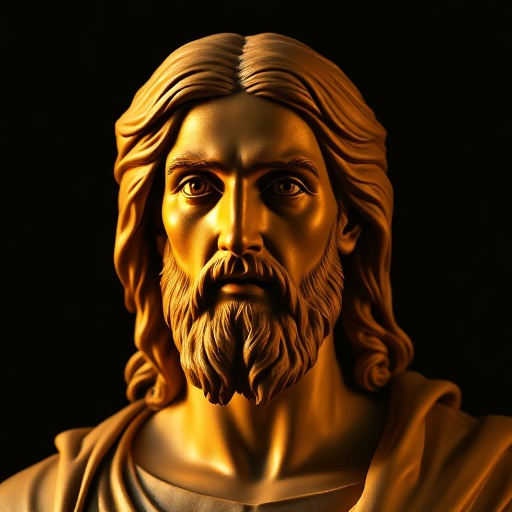
Jesus Christ — "Blessed are the merciful, for they will be shown mercy."
Blessed are the merciful, for they will be shown mercy.
Blessed are the merciful, for they will be shown mercy.
Click any product to generate a realistic preview. Up to 3 at a time.
* Initial load can take up to 90 seconds — revising the preview in another color is nearly instant.
"Follow me, and leave the dead to bury their own dead."
"Many are on the path to destruction, and only a few even find the way to life."
"If you want to be perfect, go, sell your possessions and give to the poor, and you will have treasure in heaven. Then come, follow me."
"Love your enemies and pray for those who persecute you."
"You must be perfect, as your heavenly Father is perfect."
From the Beatitudes in the Sermon on the Mount (Matthew 5:7)
Date: c. 30-33 CE
PhilosophicalFound in 1 providers: gemini
1 source checked
People who show compassion and forgiveness to others will receive the same treatment in return. Extending kindness, pardoning wrongs, and alleviating suffering are not weaknesses but actions that generate a reciprocal response. The principle suggests a moral economy where how you treat others sets the standard for how you will be treated, whether by other people, by a higher power, or by life itself over time.
This reflects Jesus's core teaching that compassion outweighs legalistic judgment. As a Jewish rabbi who ate with tax collectors, touched lepers, and forgave sinners from the cross, he consistently modeled mercy over condemnation. He taught the parables of the Prodigal Son and Unmerciful Servant, confronted religious leaders for harshness, and framed God's relationship with humanity as fundamentally merciful, grounding his movement in radical forgiveness.
First-century Judea under Roman occupation was marked by harsh retribution, public crucifixions, and rigid Pharisaic legal codes. Mercy toward debtors, sinners, Samaritans, or enemies was culturally unusual. The dominant frameworks emphasized strict justice, purity laws, and retaliation. Jesus delivered this Beatitude in the Sermon on the Mount, directly challenging both Roman brutality and religious legalism by elevating compassion as the defining ethic of God's kingdom.
AI-generated insights based on extensive research and information for context. Factual errors? Email [email protected].
Your cart is empty